

The habit: rushing the pour
The most common pour-over mistake isn't grind size or water temp—it's pouring like you're putting out a fire. You swirl the kettle, dump in half the water, and hope for the best. The result? Channeling, where water carves paths through the coffee bed and leaves the rest dry. That's why you get a cup that's both sour and bitter at the same time.
I've seen this with home brewers using perfectly good beans. They blame the roaster, then the grinder, then the kettle. But the habit is the problem. You're not pouring—you're dumping.
Trigger map: what makes you pour fast?
Let's be honest about why we rush. For most people, it's one of three things:
- Morning impatience: You're not fully awake and just want the coffee done.
- Distraction: You're checking your phone or starting breakfast while pouring.
- Overconfidence: You watched a barista once and figured you had it down.
Once you name the trigger, you can design around it. For me, it's the phone. If I'm not paying attention, my pour speed doubles.
Replacement behavior: slow down, pour in circles
Instead of just telling yourself to pour slower, replace the action with a specific motion. Here's the swap:
- Old habit: Tilt the kettle high, pour fast in the center.
- New habit: Lower the spout near the bed, pour a thin stream in concentric circles, starting from the outside and working inward.
That's it. The motion itself forces a slower rate. You're not thinking about speed—you're thinking about pattern. And that pattern keeps the bed evenly saturated.
Aim for a total brew time of 3 to 3.5 minutes for a single cup. If it finishes in under 2.5, you're pouring too fast. If it drags past 4, you're going too slow or grinding too fine.
Environment design: set up for success
You can't rely on willpower first thing in the morning. So change your setup to make the right habit easier:
- Use a gooseneck kettle—it's easier to control the stream. If you don't have one, a measuring cup with a spout works in a pinch.
- Set a timer on your phone before you start pouring, not after. You'll see the time ticking and naturally pace yourself.
- Grind right before brewing—stale grounds extract unevenly, which makes the pour matter even more.
- Keep your kettle off the counter where you're tempted to grab it with a full swing. Place it to the side so you have to reach for it deliberately.
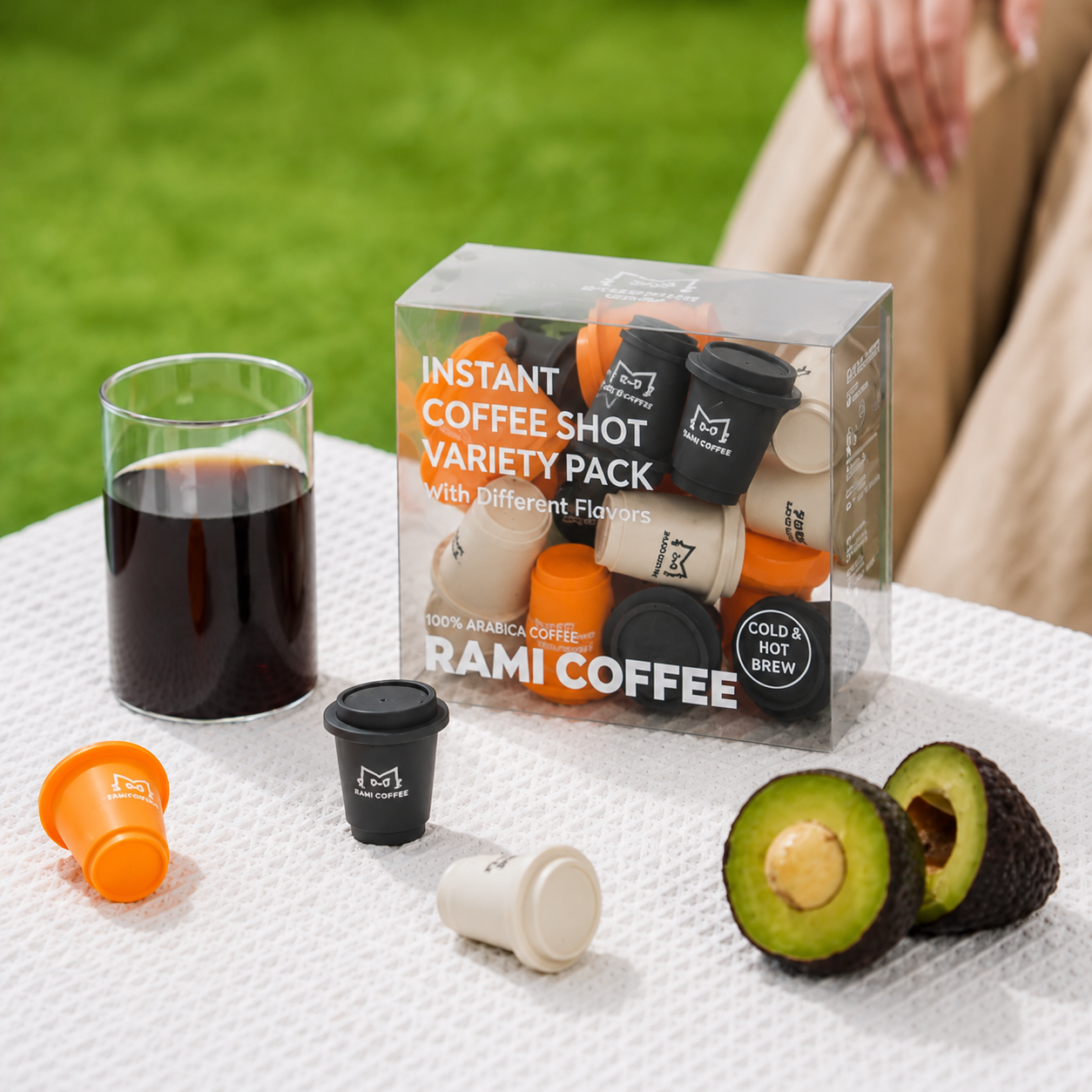
If you're using RAMI Coffee merch like a ceramic dripper, the same rules apply. The gear doesn't fix the habit—it just makes the good habit easier.
The 1:16 ratio and taste cues
Start with 1 part coffee to 16 parts water. That's 20g of coffee to 320g of water for a single mug. Weigh your coffee if you can—scoops are too inconsistent.
After your first brew, taste and adjust:
- Too sour or weak? Grind finer or use a bit more coffee.
- Too bitter or astringent? Grind coarser or pour slower.
- Flat or dull? Check your water temp—it might be too low.
Don't change everything at once. Change one variable, brew again, and see what moves. It's like tuning a guitar—you don't twist all the pegs at once.
Relapse plan: when you slip back into rushing
You will slip. That's fine. The key is to catch it quickly. For me, the tell is a brew time under 2 minutes. If I see that, I know I poured too fast.
When it happens, don't rage-quit and go back to instant. Just do the next brew slower. Pour one circle at a time, and reset your timer if you have to.
If you find yourself rushing every morning, go back to the basics: lower the spout, pour a thin stream, and keep the bed wet. You'll taste the difference within a cup or two.
Sources & further reading
For more on brew ratios and extraction, check the Specialty Coffee Association's brewing standards. They're the closest thing we have to a scientific consensus on what makes a good cup.
And if you're looking to upgrade your gear, the RAMI Coffee merch line has a few drippers and kettles that make the slow pour easier—but remember, the habit matters more than the hardware.