
Before you leave
Before you even pack your V60, check your beans. Stale beans—or pre-ground coffee that sat in a bag for weeks—will lack aroma no matter how you brew. For wholesale evaluation, you need beans roasted within the last 2–4 weeks, and you should grind them right before brewing. If you're tasting several lots side by side, write down roast dates and keep a log.
Also check your water. Tap water with heavy chlorine or mineral content can mute aromatics. If your tap water tastes flat, use filtered water. And water temperature matters: if you're using a gooseneck kettle without a thermometer, you might be brewing cooler than you think.
In transit
When you're on the road, you might not have your usual grinder settings memorized. Before you leave, note your current grind size and brew time. If you land and the coffee smells flat, don't change everything at once. Pick one variable—grind, time, ratio, or water temperature—and adjust just that.
If you're using a hand grinder, remember that different beans can feel different. A dense, hard bean might need a slightly finer setting than a soft one. And if you're using pre-ground coffee, skip it for evaluation—buy whole beans and grind on-site.
At destination
Once you're at the hotel or wholesale warehouse, set up your brew station. Bring your own scale and thermometer if possible. Here's a simple routine to diagnose a flat V60:
- Grind finer. If your brew finishes in under 2 minutes, your grind is too coarse. A proper V60 should take 2:30–3:00. Grind finer until you hit that window.
- Extend your brew time. If your grind is fine but the brew still finishes fast, you might be pouring too aggressively or using too much water. Slow down your pours and aim for a steady, gentle stream.
- Check your ratio. Use a 1:16 coffee-to-water ratio. That's 15 grams of coffee for 240 ml of water. If you're using less coffee, you'll get a weaker, less aromatic cup.
- Heat your water. Water below 195°F won't extract the aromatic compounds. Heat it to 195–205°F. If you don't have a thermometer, bring water to a boil and wait 30 seconds.
If you've done all this and the coffee still smells flat, it's probably the beans or the water. Don't keep chasing grind size.
Rules & restrictions awareness
When you're evaluating coffee for wholesale, you're making decisions that affect your business. Don't let a single flat brew tank a lot that might be great. Brew each sample at least twice, and if the aroma is off, check your process before blaming the beans. Also, be consistent: use the same grind size, ratio, and water temperature for every sample, so you're comparing apples to apples.
And a quick note on water: if you're in a new city, the water might be completely different. That's a big variable. If you can, bring a small water filter or buy bottled water with a balanced mineral profile. It's worth the extra hassle.
Return-home reset
When you get back, reset your brew station to your home defaults. If you changed your grind size on the road, dial it back. If you found a new ratio that worked, write it down. Keeping a simple log helps you repeat your successes and avoid repeating mistakes.
And if you're still struggling with aroma, it might be time to upgrade your gear. A good burr grinder is the single biggest upgrade you can make for consistent aroma. Also, look at your kettle: if it can't hold a steady temperature, your brews will be inconsistent.
FAQ
Why does my V60 coffee smell weak even with fresh beans?
Fresh beans can still under-extract if the grind is too coarse. Coarse grinds mean water flows through fast, so you get sour, weak coffee. Grinding finer slows the flow, pulling out more aromatic compounds.
What water temperature is best for V60 aroma?
Aim for 195–205°F (90–96°C). Cooler water won't extract the volatile aroma compounds, leaving your cup flat. If your water is below 195°F, heat it up.
How do I know if my V60 grind is too coarse?
If your brew finishes in under 2 minutes, the grind is likely too coarse. A proper V60 should take 2:30–3:00. Also check the bed: if it looks like wet sand with big chunks, grind finer.
Can old beans cause lack of aroma?
Yes. Beans lose aromatic compounds over time, especially if they're pre-ground. For wholesale evaluation, use beans roasted within 2–4 weeks and grind right before brewing.
Bottom line
A flat V60 is rarely a sign of bad beans. It's usually a sign that your extraction is off. Grind finer, hit that 2:30–3:00 mark, use a 1:16 ratio, and get your water hot enough. Change one thing at a time, and you'll find the aroma you're missing.
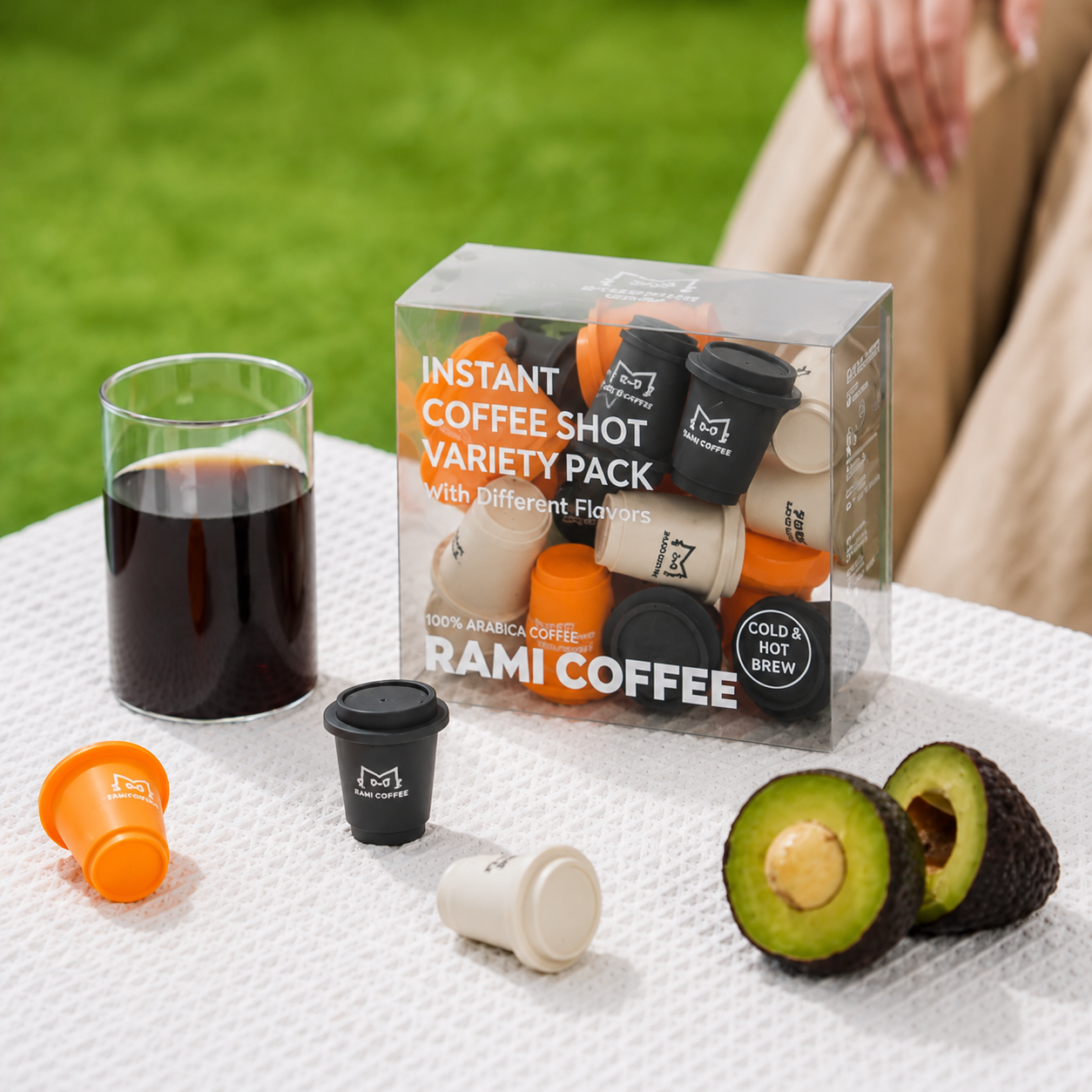
If you're serious about consistent brewing, our RAMI Coffee merch line includes gear that helps you keep your process repeatable—whether you're at home or on the road. Check out the collection when you're ready to dial in.
Related Windbar Resources
- RAMI Coffee merch — If you're evaluating coffee for a wholesale lineup, our RAMI gear helps keep your brew consistent.