
Why does cold weather make collar pilling worse?
Winter is essentially a friction festival for your collar. Think about everything that touches that one strip of fabric between November and March: a wool scarf, a fleece zip-up, a denim jacket, your beard if you've got one. Each of those surfaces grabs at the short fibers in a tri-blend and pulls them loose. Once they're loose, they tangle into the pills you see.
It's not just the layers, either. Dry indoor heat and cold outdoor air both dry out the fibers, making them more brittle. Brittle fibers break off more easily when they snag, which adds to the pilling. So yes, it's the season, but it's also the fabric's nature.
What actually causes tri-blend fabric to pill?
Tri-blends are made of cotton, polyester, and rayon—typically something like 50/25/25. The cotton gives that soft, worn-in feel, the polyester adds strength, and the rayon provides drape. But that combination also means you have three different fiber lengths and strengths twisted together. Short fibers, especially from cotton and rayon, work their way to the surface with every wash and wear. When they hit friction, they don't break cleanly—they curl into balls.
Polyester is actually the strong one here, but it's also the one that holds onto the cotton and rayon pills, making them stick around longer. So the very thing that makes tri-blends comfortable is what makes them pill.
How to stop collar pilling before it starts
Here's the practical part. You don't need to give up tri-blends in winter—you just need to adjust the care routine.
Wash inside out. This is the single biggest change you can make. Turn the tee inside out before washing so the collar doesn't rub directly against other clothes. Use a gentle cycle with cold water. Hot water makes fibers swell and loosen, which leads to more pilling.
Say no to fabric softener. It feels nice in the moment, but it coats the fibers in a waxy layer that weakens them over time. Weaker fibers break and pill faster. If you want softness, use a half-cup of white vinegar in the rinse cycle instead—it works without the buildup.
Air-dry whenever possible. Machine dryers are brutal on tri-blends. The heat breaks down the fibers and the tumbling action creates friction. Lay the tee flat or hang it to dry. If you must use the dryer, do it on low and take the shirt out while it's still slightly damp.
What about the collar specifically?
Since the collar is the problem zone, give it a little extra attention. When you wash, make sure the collar is fully turned out and not bunched up with other clothes. You can also hand-wash just the collar area with a mild detergent if it's really prone to pilling—some people do a quick scrub with a soft brush before tossing the shirt in the wash.
When you wear it, think about what's rubbing against it. A smooth cotton scarf will cause far less pilling than a chunky knit. Same with jackets—something lined with polyester or nylon is easier on the collar than rough wool. It's not about dressing like you're in a bubble, just being aware of what touches your neck.
Edge cases: when pilling is a sign of something else
There are times when pilling isn't just normal wear. If you notice pilling on a brand-new tri-blend after one or two washes, that could be a manufacturing issue—maybe the yarn quality is lower or the dyeing process weakened the fibers. That's rare with decent brands, but it happens.
Another edge case: if you're using a front-loading washer, sometimes the collar rubs against the rubber gasket during the spin cycle. That's a constant friction point. Turning the shirt inside out helps here too, but you could also consider a mesh laundry bag for extra protection.
Also, be careful with any collar that has a printed label inside. The rough edge of the label can rub against the fabric and start pilling. If you feel a stiff tag, it's worth trimming it off—just don't cut the seam.
How to test your care routine
If you want to know whether your washing method is actually working, try this. Pick two identical tri-blend tees, if you have them. Wash one inside out on gentle with cold water and air-dry. Wash the other normally, with warm water and fabric softener, then tumble dry. After four weeks of normal wear, compare the collars. You'll see the difference clearly—it's not subtle.
If you don't have two identical tees, just focus on one and check the collar after a month of the new routine. Pilling should be dramatically less. If it's not, the issue might be the fabric quality itself.
When you should consider a different fabric
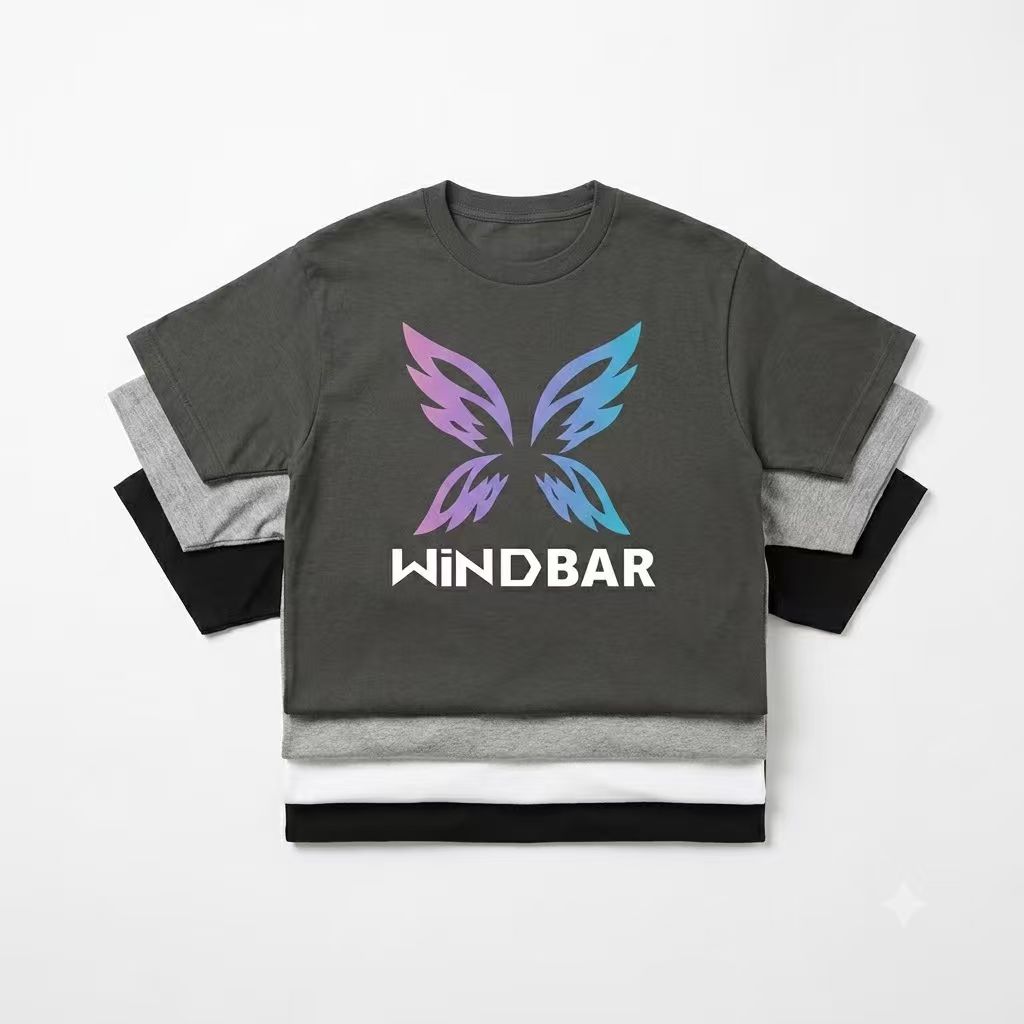
If you've tried everything and your collars still look like a lint roller's worst nightmare, it might be time to accept that tri-blends aren't ideal for your winter wardrobe. Some people's skin chemistry or the way they layer just creates too much friction. In that case, look for a 100% ring-spun cotton tee—it's less prone to pilling because the fibers are longer and more tightly spun. Windbar's ring-spun options are a good choice there.
That's not a cop-out—it's just matching the fabric to the season. Tri-blends are great for spring and summer when you're wearing them on their own. In winter, they're fighting an uphill battle.
The short version
Cold weather makes tri-blend collars pill because of extra friction and drier fibers. Fix it by washing inside out, skipping fabric softener, air-drying, and choosing smoother outer layers. If pilling persists, consider a ring-spun cotton tee for winter wear. Your collar will thank you.
And if you've got your own trick for keeping collars clean, share it in the Windbar Community—we're always learning from each other.