
Setup
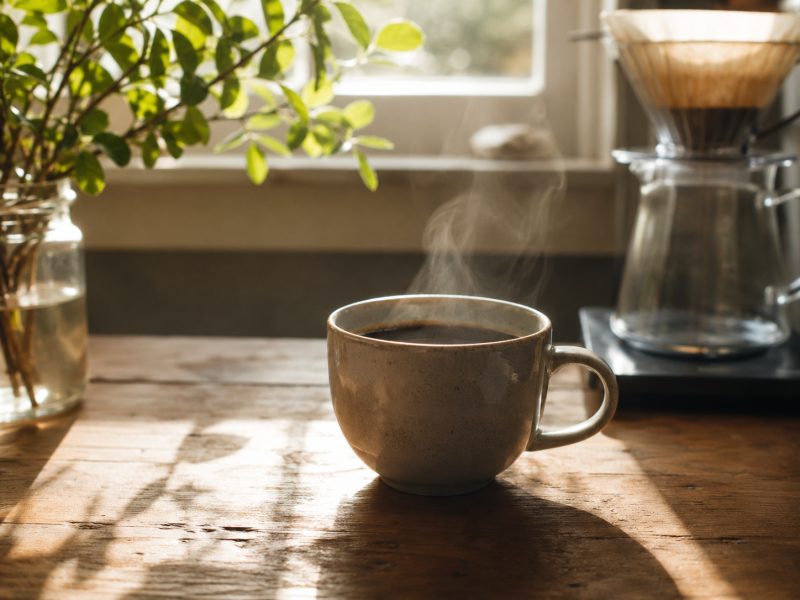
Start with a clean, dry dripper and a fresh filter. Rinse the filter with hot water to remove paper taste and preheat your mug. Grind your beans to a medium-fine consistency—like sea salt. Weigh your coffee (aim for 25g for a 400ml cup) and place it in the filter. Heat water to 200°F (93°C) and pour a small amount over the grounds to bloom—let it sit for 30 seconds. Then pour in slow, circular motions, keeping the water level just above the coffee bed.
First-run checks
Before you commit to the full brew, check your grind size: if water drains too fast, grind finer; if it clogs, grind coarser. Watch the bloom: a vigorous, even bloom indicates fresh beans and good extraction. Taste your first sip—if it's sour, your water is too cool or grind too coarse; if bitter, you're over-extracting. Adjust your ratio or technique for the next cup.
Teardown
Once you've finished your coffee, discard the filter and grounds. Rinse the dripper and carafe with hot water—no soap needed if you clean right away. Use a brush or cloth to remove any residue. Let everything air dry on a rack. Wipe down your kettle and scale to keep them spotless.
Storage
Store your dripper upside down on a dry shelf or in a cabinet. Keep filters in a sealed bag or container. Store beans in an airtight container away from light and heat—don't refrigerate them. If you have a gooseneck kettle, empty any leftover water and leave the lid open to dry.
Next-use prep
Before your next brew, give your equipment a quick visual check: any lingering coffee oil or residue means it needs a deeper clean. Rinse the dripper with hot water and re-seat a fresh filter. Grind your beans fresh each time for the best flavor. Keep your routine consistent—same ratio, same water temp—so you can fine-tune from a known starting point.
Spring is a good time to reset your coffee habits. A minimalist setup doesn't mean sacrificing quality—it means eliminating the noise so you can focus on the brew. Keep it simple, keep it clean, and your cup will thank you.
If you're looking to refresh your gear, check out the RAMI Coffee merch for durable, minimalist essentials. And for troubleshooting, our guide on why your spring pour-over tastes off covers common failure modes.
Setup/teardown
- A minimalist pour-over routine focuses on repeatable steps and clean storage. By keeping equipment minimal and following a consistent setup and teardown, you reduce clutter and ensure your coffee tastes fresh every time. The key is to dial in your ratio and water temperature, then maintain your gear properly.
- Use a 1:16 coffee-to-water ratio for a balanced cup.
- Always heat water to 200°F (93°C) for optimal extraction.
- Clean and dry all components after each use to prevent stale flavors.
- Store filters and beans in airtight containers away from light and heat.
Setup FAQs
Q: What's the best coffee-to-water ratio for pour-over?
Start with 1:16—that's 1 gram of coffee for every 16 grams of water. Adjust to taste: more water for a lighter body, less for a stronger cup.
Q: How do I know if my pour-over is extracting evenly?
Watch the bloom: if the coffee bed bubbles evenly and settles uniformly, extraction is likely even. Uneven channels or dry spots mean your pour was too fast or the grind is inconsistent.
Q: Do I need to rinse the paper filter every time?
Yes, rinsing removes paper taste and preheats the dripper. It also helps the filter seat properly, preventing bypass.
Q: How should I store my pour-over dripper?
After cleaning, let it air dry completely before storing. Keep it in a dry, dust-free spot—like a cabinet or on a shelf away from the sink.