
Why Your Pour-Over Tastes Bitter (and How to Fix It)
Bitter is the most common complaint. It means you're over-extracting—pulling too many bitter compounds from the beans. This happens when your grind is too fine, your water is too hot, or your brew time drags on.
The fix is simple: coarsen up your grind a notch, or let your water rest 30 seconds after boiling. If you're using a gooseneck kettle, you can also pour a little slower—fast pouring can cause over-extraction because water sits on the grounds longer.
Why Your Coffee Tastes Sour (and How to Fix It)
Sourness is the opposite problem: under-extraction. The water didn't pull enough sweetness and acidity, so you're left with a sharp, tangy cup. This usually means your grind is too coarse, your water isn't hot enough (below 195°F), or you're pouring too fast.
Try a finer grind. If that doesn't help, check your water temperature—it should be just off the boil. And slow your pour down to a steady trickle, giving the water time to work.
Why Your Brew Is Weak and Watery
A weak cup is frustrating, especially when you're craving that rich weekend pour-over. This usually comes down to your coffee-to-water ratio. If you're using too little coffee or too much water, you'll get a thin, watery result.
The standard ratio is 1:16—one gram of coffee for every 16 grams of water. If you don't have a scale, use about 2 tablespoons of ground coffee per 6 ounces of water. If it's still weak, try a slightly finer grind to boost extraction.
Why Your Pour-Over Stalls or Drips Too Slowly
Sometimes the water just stops flowing. That stall is a sign your grind is too fine, or you've poured too aggressively, packing the grounds down. It can also happen if your filter is clogged with fines.
The fix: back off on the grind size a touch, and pour in gentle circles rather than dumping water in the middle. If you're using a paper filter, give it a quick rinse before adding coffee—that removes paper dust and helps flow.
Why Your Coffee Tastes Uneven (Channeling)
Channeling is when water finds a path through the grounds, leaving some parts over-extracted and others untouched. You taste it as a mix of bitter and sour in the same cup. It's usually caused by pouring too hard in one spot or an uneven bed of grounds.
To fix it, pour in smaller, controlled circles, starting from the center and moving outward. Make sure your coffee bed is level before you start pouring—tap the brewer gently to settle it.
Why Your Coffee Goes Cold Too Fast
You're sipping your brew, and by the time you're halfway through, it's lukewarm. That's not a brewing failure—it's a heat retention issue. If your mug or carafe isn't preheated, it'll steal heat from your coffee.
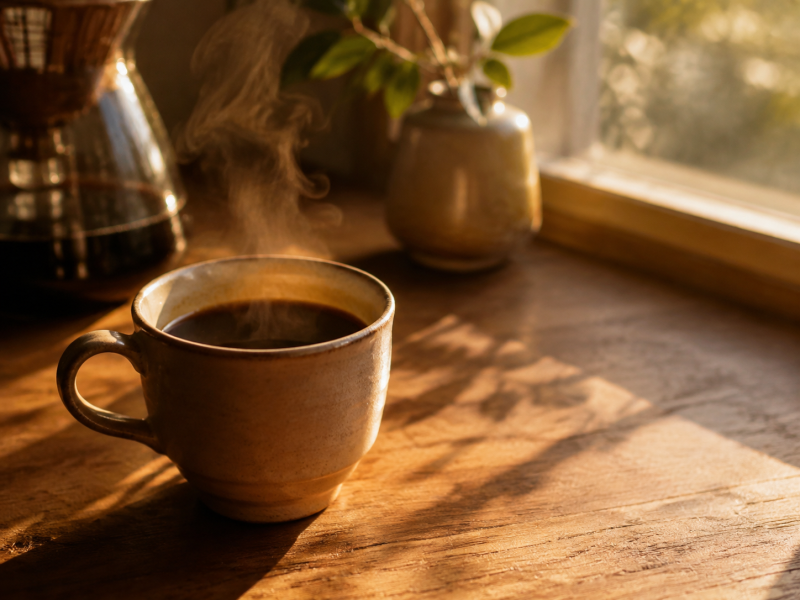
Preheat your mug with hot water before you brew. If you're using a glass carafe, swirl it with hot water first. And for spring mornings, a thick ceramic mug will keep your coffee warmer longer than a thin glass one.
How to Spot These Problems Before You Taste
You can catch most failures before they hit your palate. Watch your brew: if the coffee drips through in under 2 minutes, you're likely under-extracting. If it takes over 4 minutes, you're over-extracting. The bed of grounds should look flat and even after brewing—if there are holes or craters, you had channeling.
Smell the grounds after you pour: they should smell sweet and fragrant. If they smell sour or burnt, adjust accordingly.
Fix Your Pour-Over in Order: Grind, Water, Pour
When in doubt, change one variable at a time. First, adjust the grind size—it's the biggest lever. Then check water temperature. Finally, refine your pour technique. Changing everything at once makes it impossible to know what worked.
Start with a medium-fine grind (like table salt), water at 200°F, and a 1:16 ratio. Brew once, taste, then adjust one thing. That's the fastest path to a consistently great cup.
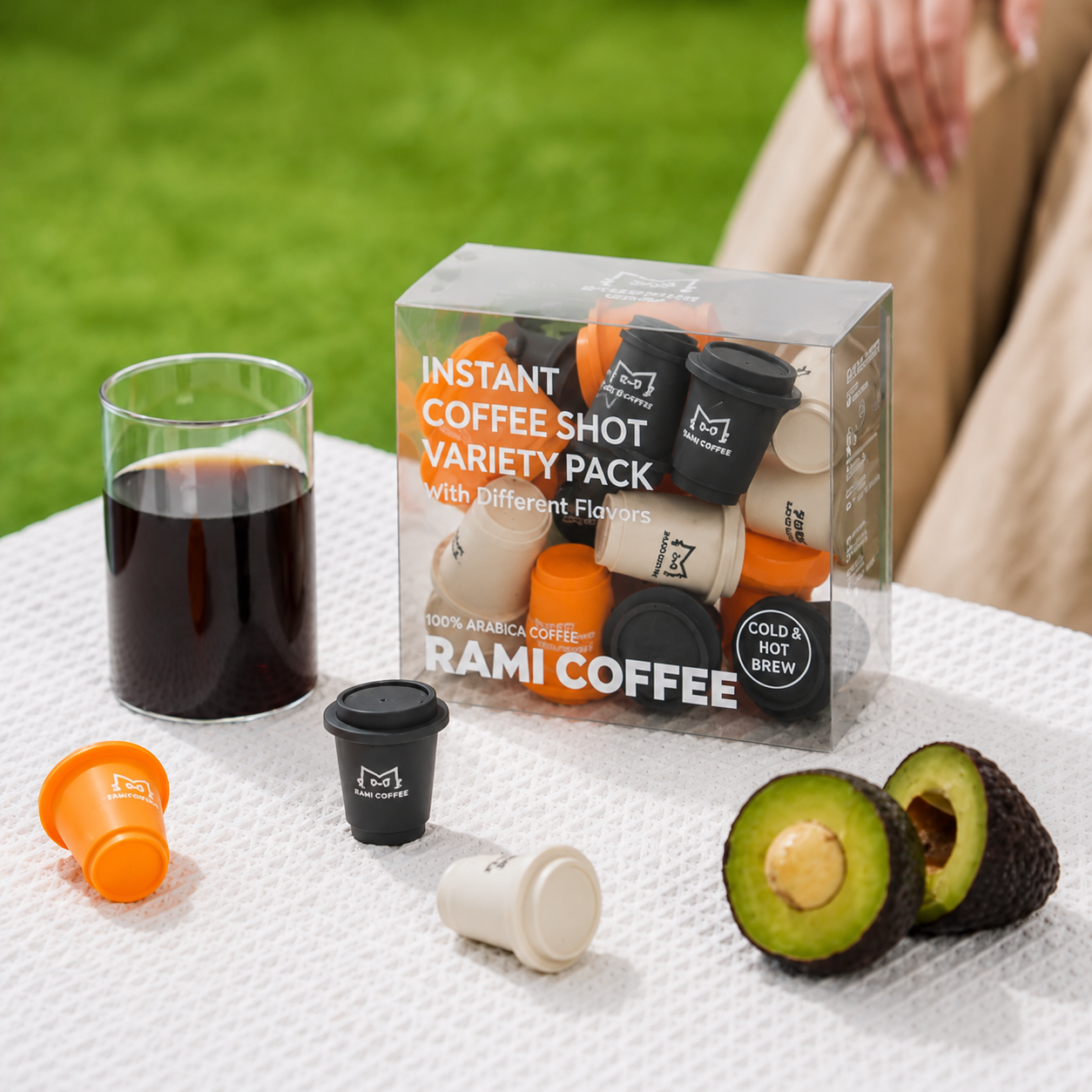
Got a pour-over problem that's not on this list? Jump into the Windbar Community and ask—someone's probably fixed it already. And if you're looking to upgrade your gear, check out the RAMI Coffee merch for kettles, filters, and mugs built for better brewing.
Failure FAQs
Q: Why does my pour-over coffee taste bitter?
Bitter taste usually comes from over-extraction—the water pulls too many bitter compounds. That happens if your grind is too fine, your water is too hot (above 205°F), or your brew time runs too long. Try a slightly coarser grind or let the water rest 30 seconds after boiling.
Q: Why does my coffee taste sour?
Sourness means under-extraction—the water didn't pull enough sweetness and acidity. This can be due to a coarse grind, water that's not hot enough (below 195°F), or a pour that's too fast. Try a finer grind or hotter water, and pour more slowly.
Q: Why is my coffee weak and watery?
Weak coffee usually means your coffee-to-water ratio is too low, or you're pouring too quickly. Stick to a 1:16 ratio (about 1 gram of coffee per 16 grams of water). If it's still weak, try a slightly finer grind to increase extraction.
Related Windbar Resources
- RAMI Coffee Merch — Find gear that helps you nail your pour-over, from kettles to filters.
- Windbar Community — Share your brewing triumphs and troubleshoot with other coffee lovers.
Still stuck?
Got a pour-over problem that's not on this list? Jump into the Windbar Community and ask—someone's probably fixed it already.