

Here is the number one reason vape product launches fail online: the photo assets were treated as an afterthought.
The product is ready. The packaging is printed. The website is built. And then someone asks, "Do we have product photos?" The answer is usually a phone camera and a desk lamp. That is a $50,000 product launch with $50 photography. The math does not work.
Product photography for vape is not a commodity. It is the entire storefront. When a customer cannot hold the device, the photo is the device. Here is exactly what you need before you go live.
First: the hero shot. White background. Single product. Front-facing. No hands. No props. No context. This is the image that goes on the category page. It is the image that goes on Google Shopping. It is the image that shows up in search results. It needs to be technically perfect. Sharp focus. Even lighting. Accurate color. If the color of the device in the photo does not match the color of the device in the box, you have created a return reason. Do not create return reasons.
Second: the angle series. You need a minimum of five angles. Front. Back. Left side. Right side. Top-down. If the device has a screen, one shot with the screen active. If the pod is removable, one shot with the pod separated. The angle series answers every pre-purchase question a customer has about what the product looks like. Do not make them guess.
Third: the detail shot. Macro photography of the coil. The USB-C port. The airflow adjustment. The battery indicator. The fill port. The mouthpiece texture. These are the shots that close the sale. They say "this product is manufactured with precision." They justify the price point. They differentiate you from the $3 device with the blurry Amazon listing.
Fourth: the scale shot. Put the device next to something people know the size of. A credit card. A standard lighter. Do not use a coin. Coin sizes vary by country. Do not use a hand. Hand sizes vary by person. A credit card is universal. A standard Bic lighter is universal. Context matters.
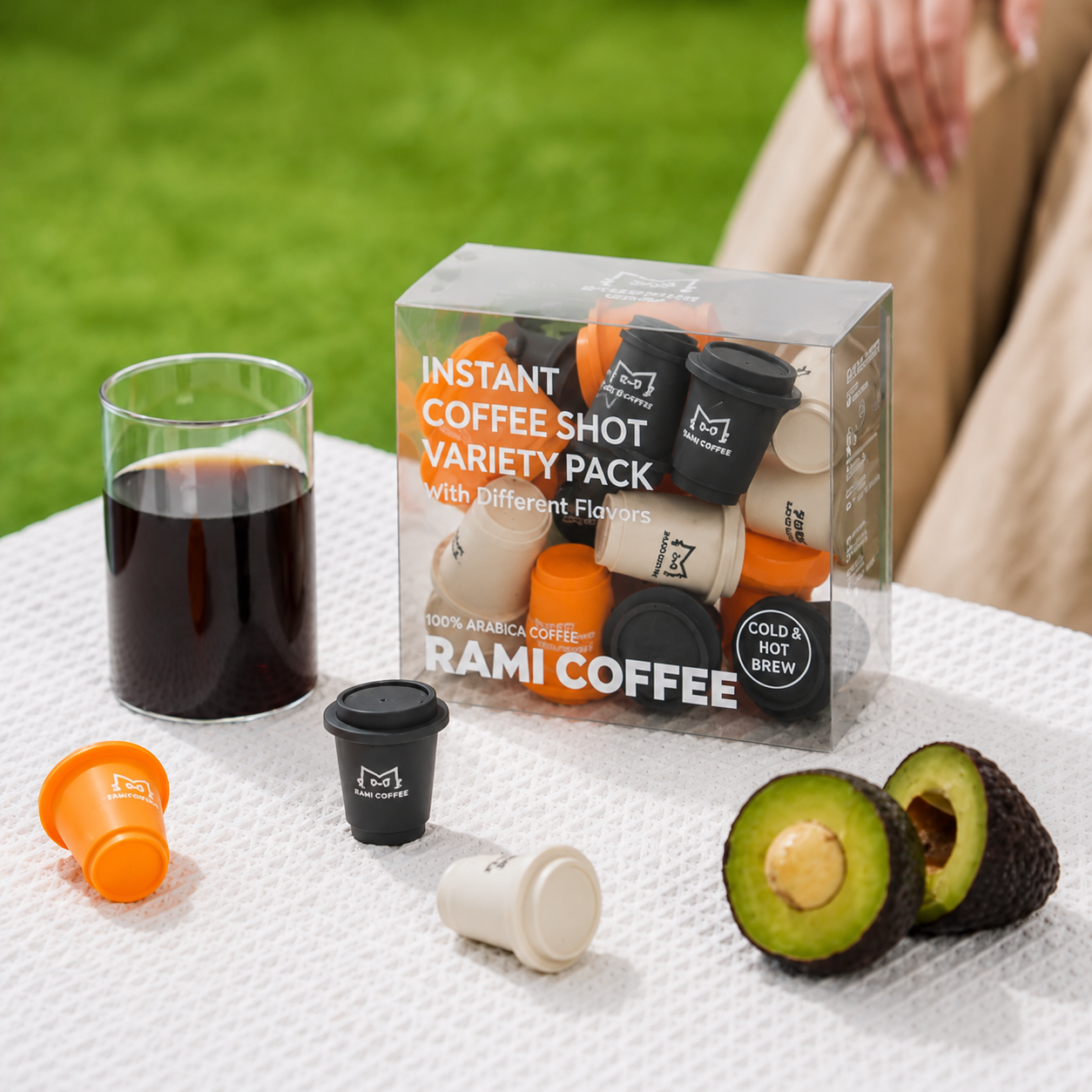
Fifth: the lifestyle shot. This is the tricky one. It needs to feel aspirational without feeling aspirational about vaping. The device on a clean desk. The device next to a coffee cup. The device in an adult environment. No beaches. No parties. No social scenes. No people under 30. No people at all, ideally. The lifestyle shot is about the life the device fits into, not the person using it.
Sixth: the compliance shot. If your packaging includes a nicotine warning, you need at least one photo that shows it clearly. If the device has a child-resistant mechanism, photograph it. If the e-liquid bottle has a tamper-evident seal, show it. These are not marketing shots. They are compliance shots. They protect you.
Here is the asset count you need before launch: 12 to 15 images minimum. Every color variant needs its own hero shot and angle series. A product line with 4 colors and 3 SKUs needs 40 to 60 unique images. That is not a one-day shoot. That is a three-day shoot with a professional photographer.
The brands that skip this step spend 12 months trying to recover from bad launch photography. The brands that invest in it spend those 12 months selling. The cost of good photography is not an expense. It is the cheapest sales tool you will ever buy.
Do not launch with phone photos. Do not launch with renderings. Do not launch with placeholder images and a plan to "fix it later." Later never comes. Launch with the assets that make the product look like what it costs. The product deserves that. The customer expects that. The channel demands it. This content is intended for adults 21 years of age or older. Nicotine is an addictive chemical. The information provided is for educational and informational purposes only and does not constitute medical or legal advice. If you are considering using vaping products as an alternative to smoking, consult with a qualified healthcare professional. Product reviews and recommendations are based on publicly available information and independent evaluation; Windbar makes no representation regarding the FDA marketing authorization status of any third-party products mentioned. This content is not a substitute for review by a licensed attorney.
© 2026 Windbar. All rights reserved.