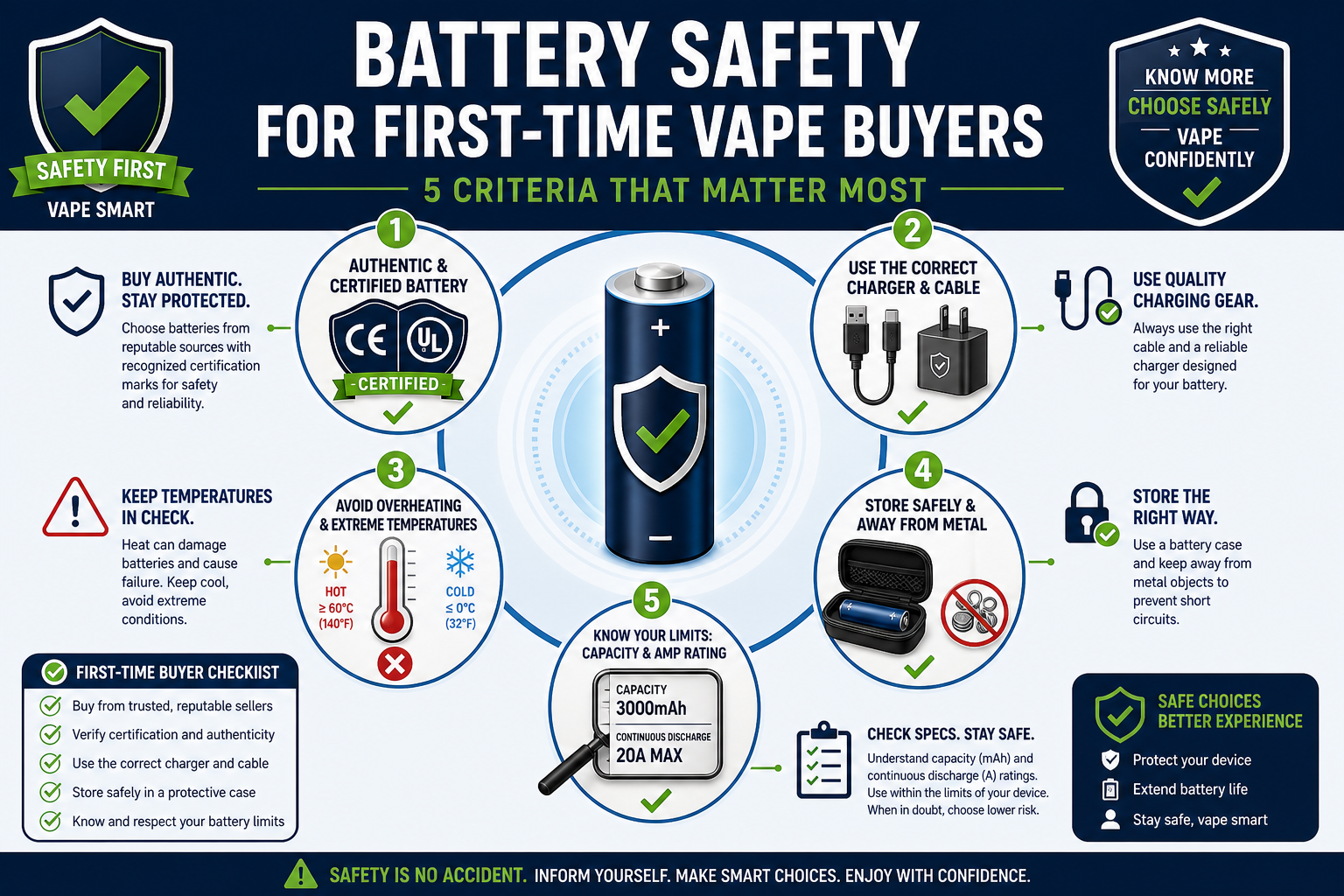
Let's compare two hypothetical batteries. Battery A costs $5 and has a 3% return rate due to defects. Battery B costs $7 and has a 0.5% return rate. If you sell 1000 units, Battery A will generate 30 returns, while Battery B will generate 5. If handling a return costs you $15 in shipping and labor, Battery A costs you $450 extra, while Battery B costs you $75. That's a $375 difference, which more than offsets the $2 per unit price difference. So Battery B is actually cheaper in total cost.
Now, consider the customer experience. If a customer gets a defective battery, they might leave a one-star review. One bad review can scare off dozens of potential buyers. So the true cost of a defective unit is even higher when you factor in the lost lifetime value of those customers.
Another example: you might be tempted to buy a battery with a huge capacity, but if it has a slower charge time, customers might complain about that. Or if the battery has a high drain rate, it might overheat if used at high wattage. That's why it's important to match the battery to the device's power requirements. A battery that's undersized for the coil will work harder and might fail prematurely.