
What do you actually get from a safer battery? (Outcomes that count)
When you're selling online, you never see the device again after it ships. So the outcomes you care about are: does it work reliably, does it last through a reasonable number of charge cycles, and does it fail safely if something goes wrong. The most valuable outcome is a low rate of returns due to defects. A battery that swells, leaks, or stops charging after a few weeks will generate angry customer emails, negative reviews, and possibly chargebacks. That's the real cost of a poor safety design.
Another outcome that's easy to overlook is customer confidence. If a buyer has a good experience, they might come back for more products. If they have a bad one, they'll tell their friends and maybe post a review that you can't delete. So the right battery is part of your brand's reputation.
But not all safety features are equal. You might see terms like "overcharge protection" or "short circuit protection" on a spec sheet, but unless the manufacturer uses quality components and tests their devices, those protections might not work as promised. That's why you should look for products from brands that have been around for a while and have a track record of safe products.
The hassle factor: what people forget when comparing batteries
When you're evaluating batteries for your online store, the hassle isn't just the price. It includes the time you spend dealing with returns, the cost of shipping back defective units, and the headache of managing customer complaints. A battery that costs a dollar less but has a 5% failure rate will cost you more in the long run than a slightly pricier one with a 1% failure rate.
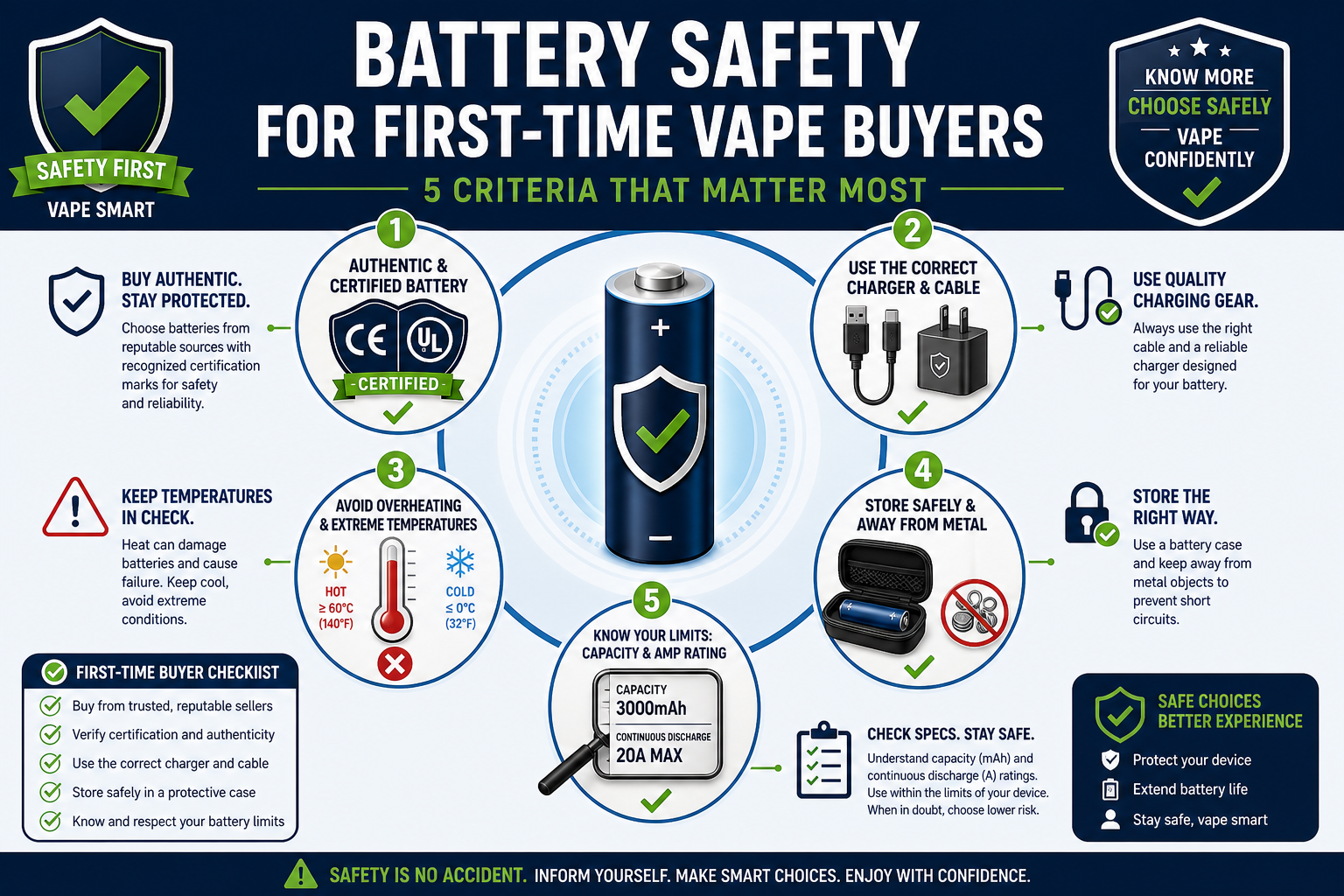
Another hassle is the regulatory side. If a device causes a safety incident, you might face liability issues, even if the problem was with the battery. Some retailers have had to pull products after reports of fires. That's the kind of nightmare that can tank your business. So it's worth the extra effort to choose a battery that has certifications like UL or CE, which indicate that the device has been tested for basic safety.
Don't forget the hassle of customer education. If the battery is not intuitive to use, customers might mishandle it—like leaving it in a hot car or using the wrong charger—leading to premature failure or even a safety hazard. That's not your fault, but you'll still have to deal with the fallout. So look for devices that are idiot-proof: they should have features like over-discharge protection that cuts off the battery before it gets too low, and reverse polarity protection if the battery is replaceable.
Cost beyond the sticker price
The up-front cost per unit is the most obvious number, but it's not the only one. You also need to factor in shipping, which is often based on weight and size, and the cost of storage. Batteries have a shelf life, and if they sit in your warehouse too long, they might lose capacity or even become unstable. That's a hidden cost that can eat into your margins.
Then there's the cost of returns. If a customer gets a defective unit, you might have to pay for return shipping, inspect the device, and possibly refund the full price. Multiply that by a few percent of your sales, and you'll see that it adds up. A more reliable battery might cost $2 more per unit, but if it cuts your return rate from 5% to 1%, you're saving money in the long run.
Finally, consider the cost of brand damage. A single safety incident can generate bad press and erode trust in your store. You might have to pull a whole product line, which means lost inventory and lost sales. That's not something you can easily put a number on, but it's a real risk.
Worked examples: what this means in practice
Let's compare two hypothetical batteries. Battery A costs $5 and has a 3% return rate due to defects. Battery B costs $7 and has a 0.5% return rate. If you sell 1000 units, Battery A will generate 30 returns, while Battery B will generate 5. If handling a return costs you $15 in shipping and labor, Battery A costs you $450 extra, while Battery B costs you $75. That's a $375 difference, which more than offsets the $2 per unit price difference. So Battery B is actually cheaper in total cost.
Now, consider the customer experience. If a customer gets a defective battery, they might leave a one-star review. One bad review can scare off dozens of potential buyers. So the true cost of a defective unit is even higher when you factor in the lost lifetime value of those customers.
Another example: you might be tempted to buy a battery with a huge capacity, but if it has a slower charge time, customers might complain about that. Or if the battery has a high drain rate, it might overheat if used at high wattage. That's why it's important to match the battery to the device's power requirements. A battery that's undersized for the coil will work harder and might fail prematurely.
When value flips negative: red flags to avoid
There are certain situations where a battery is a bad deal no matter how cheap it is. If the product has a history of recalls, stay away. If the manufacturer has no customer support—so you can't get help if something goes wrong—that's a red flag. If the battery is not rated for the current your device draws, it could overheat and potentially catch fire. That's a safety hazard you don't want on your conscience.
Also, be cautious of batteries that look like a well-known brand but are actually counterfeit. These might have unreliable protection circuits and can be dangerous. Always buy from authorized distributors, and check the packaging for authenticity marks.
Another red flag is a battery that claims to have a huge capacity in a small size. Physics doesn't lie—if it seems too good to be true, it probably is. That kind of product might have a lower quality cell that degrades quickly or even swells.
Finally, if you see a battery with a very low price compared to similar models, ask why. It might be using older cells or missing protections. In the world of batteries, you get what you pay for—but that doesn't mean you have to pay the most. It means you have to pay for the right safety features.
Putting it together: how to choose for your online store
When you're selecting batteries for your online shop, don't just look at the spec sheet. Look at the brand's reputation, the customer reviews, and the return rate. Check if the device has clear, documented protections. And always factor in the total cost of ownership, not just the sticker price.
A good approach is to start with a small test order from a few different brands. Sell them to a few customers and see how they perform. Track the return rate and the feedback. That data is gold because it tells you what your actual experience will be like, not just what the marketing says.
Don't forget to stay informed about battery safety in general. As a retailer, you have a responsibility to your customers to sell products that are safe and reliable. That's not just good ethics—it's good business.
If you're new to this, you might want to read our Battery Safety for First-Time Vape Buyers: 5 Criteria That Matter Most for a more basic overview. And if you're a shop owner, you'll appreciate the plain-language guide on How Long Does a Vape Battery Last? to help your customers manage expectations.
FAQ
What battery safety features should I look for when buying vapes for my online store?
Look for devices with built-in protections against overcharging, over-discharging, and short circuits. Also, check if the battery has a vent hole or is made by a reputable cell manufacturer. These features reduce the risk of failures that could lead to returns or safety incidents.
How can I tell if a vape battery is safe to sell online?
Review the manufacturer's spec sheet for listed protections, and read customer reviews for any reports of leaking, swelling, or auto-firing. A low return rate and positive feedback are good signs. Also, ensure the product is from a brand that complies with basic safety standards.
Are more expensive vape batteries always safer?
Not necessarily. Price often reflects brand and features, but safety comes from the protection circuit and quality control. Some budget models have the same protections as premium ones. Always verify the protection list and customer reviews rather than relying on price alone.
Sources & Further Reading
- FDA on Vaping Devices – For regulatory context on device safety.
- Vape Battery Safety Guide: Discharge Rates, Ohm's Law & Thermal Runaway Explained – The pillar guide for battery safety basics.
- WINDBAR ohm's law calculator vs Vuse voltage: 4.4 V hook, not a Vuse preset – For a practical look at how voltage and resistance interact.
- WINDBAR wattage calculator vs Geek Bar coil: ohms, MTL, and 4.4 V – For matching wattage to coil resistance safely.
In this topic cluster
- Battery Safety articles
- Vape Battery Safety Guide: Discharge Rates, Ohm's Law & Thermal Runaway Explained
- WINDBAR ohm’s law calculator vs Vuse voltage: 4.4 V hook, not a Vuse preset
- WINDBAR wattage calculator vs Geek Bar coil: ohms, MTL, and 4.4 V
Related Windbar Resources
- Ohm's Law Calculator — Useful for checking what wattage and resistance are safe for a given battery.