
Daily (30 seconds)
On a typical weekday morning, you probably just need a quick lift. That's where culinary grade shines. A scoop into your blender with milk and ice, or whisked into a ready-made latte, takes under a minute. The slightly stronger, grassier taste holds its own against oat milk or honey, and you're not worried about wasting expensive powder on a hurried breakfast.
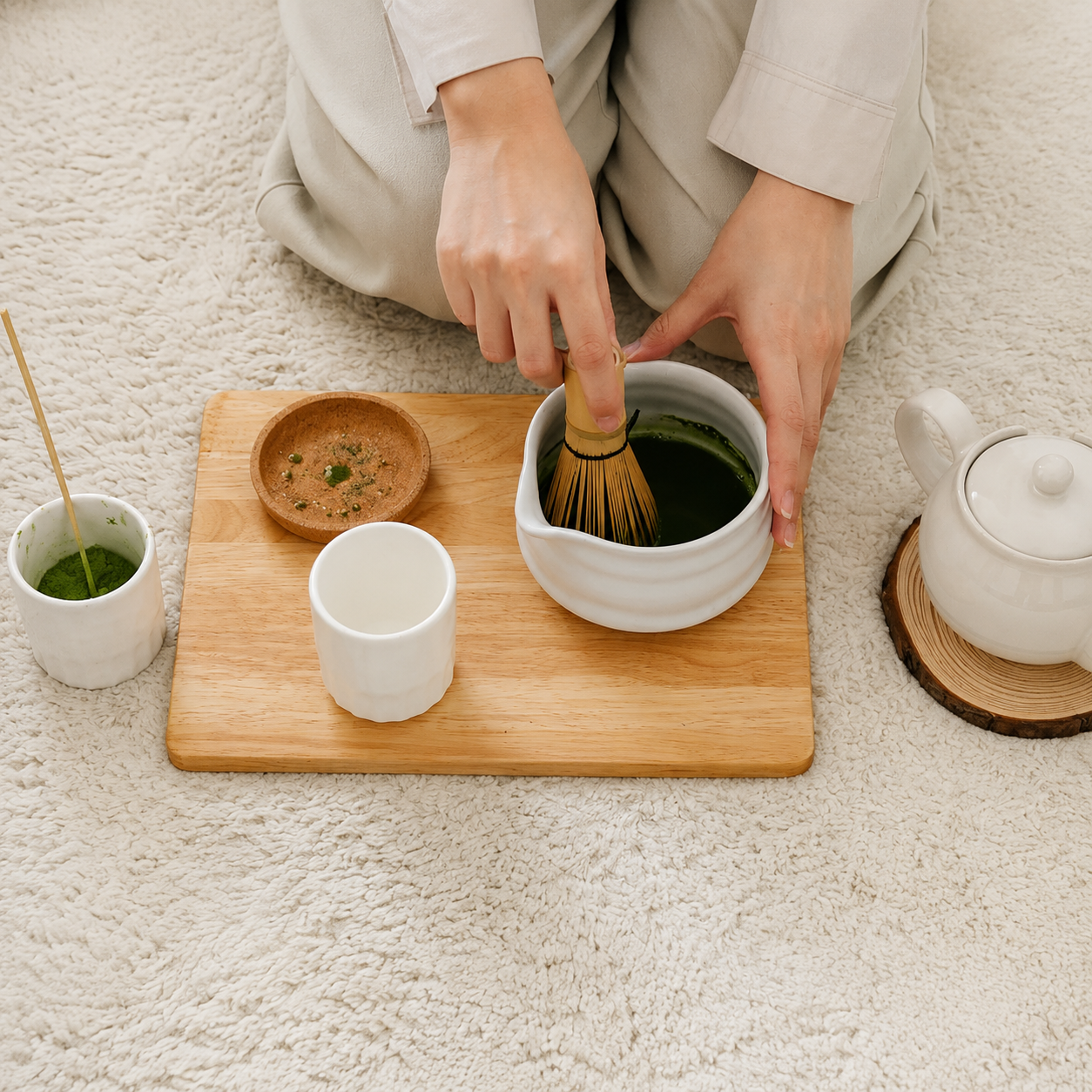
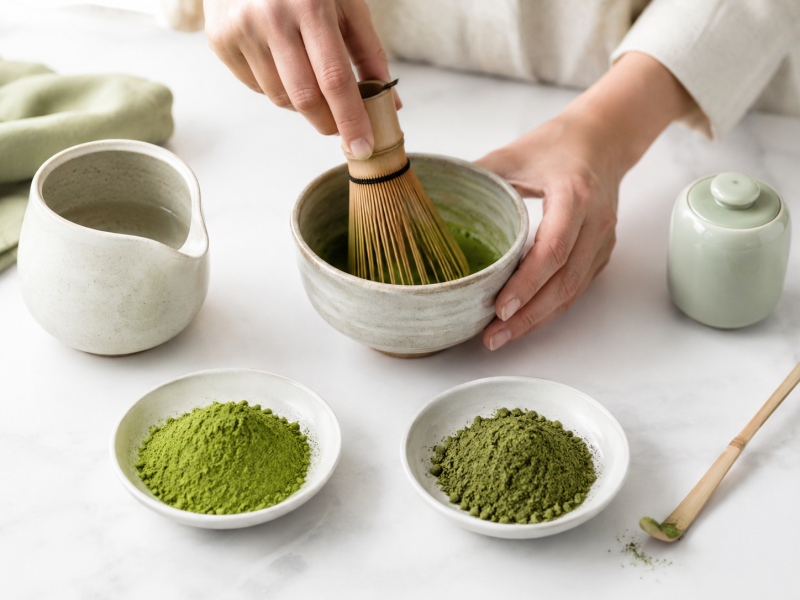
But maybe your weekend mornings are slower. You have time to heat water to 175°F, sift the powder into a bowl, and whisk in a W pattern until it's frothy. That's when ceremonial grade earns its keep. The flavor is delicate, almost sweet, with a lingering umami that you don't get in culinary. It's not a daily necessity, but for a Sunday reset, it's worth the extra few minutes.
Weekly
Once a week, you might want to do a proper matcha session—not just a quick drink. This is where the difference in grades becomes more than just taste. Ceremonial grade invites a ritual: warming the bowl, whisking slowly, noticing the color change. It's meditative, and the quality of the leaf makes the experience more rewarding.
Culinary grade, on the other hand, is your workhorse. It's perfect for a weekly batch of matcha energy balls, a marinade for salmon, or even a matcha vinaigrette. The robustness means you can experiment without guilt. If you're someone who likes to cook or bake with matcha, having culinary grade on hand makes sense.
Monthly
Once a month, take stock of your matcha stash. Check the color and smell. If it's faded or smells musty, it's past its prime. Proper storage—an airtight tin in the fridge—can stretch freshness for a couple of months, but matcha is best used within 4–6 weeks of opening. So only buy what you'll realistically use in that window.
If you're mostly a weekend drinker, a small tin of ceremonial grade might last you longer than you think. But if you're baking regularly, a larger culinary pouch will save you money in the long run. Consider how much you consume in a month and adjust your purchase accordingly.
Skip-safe items
You don't need a fancy bamboo whisk if you have a regular kitchen whisk—it'll still get the job done, just with more effort. And you don't need a ceremonial bowl unless you're going all-in on the ritual. A regular mug works fine. Also, don't feel pressured to buy the most expensive matcha out there. There's no rule that says you must have ceremonial grade to enjoy matcha.
Another thing you can skip: the fancy matcha sets with all the tools. Start with just the powder, a bowl, and a whisk. If you find yourself loving the ritual, then invest in the tools. But don't let the lack of equipment stop you from trying.
Signs you are under-maintaining
If your matcha has lost its vibrant green color, that's a sign it's oxidized and past its best. If it's clumping or smells stale, it's time to replace it. Also, if you're finding your drinks taste bitter or flat, it might not be your technique—it could be old powder. Keep an eye on the harvest date, not just the best-by date, and buy from a source that rotates stock regularly.
Another sign: you're using the same grade for everything. If you're mixing ceremonial grade into smoothies, you're probably wasting money. And if you're drinking culinary grade straight and finding it too bitter, you might be better off with a higher quality culinary or even a mid-tier ceremonial. Matching the grade to the use is the key to getting your money's worth.
Bottom line
For weekend ritualists who savor the pure, whisked tea, ceremonial grade is worth the premium. For weekend makers who blend, bake, and experiment, culinary grade offers better value and performance. There's no universal winner—just the right matcha for the way you actually enjoy it. And remember, proper storage keeps both grades fresh longer, so you can sip or bake with confidence.
FAQ
Can I use ceremonial grade matcha for baking?
You can, but it's a waste of the delicate flavor and higher cost. Culinary grade is designed to hold up in baking and still tastes great.
Is culinary grade matcha lower quality?
Not necessarily lower quality—just different. It's grown to be more robust, with a slightly bitter edge that works well when mixed with milk or other ingredients.
How should I store matcha to keep it fresh?
Keep it in an airtight container away from light, heat, and moisture—ideally in the fridge. This preserves color and flavor for up to a few months.
This article is for informational purposes only and reflects the opinions of the Windbar Editorial Team.
Calendar gist
- Ceremonial grade matcha is ideal for those who savor the pure, whisked tea experience, while culinary grade suits creative cooking and budget-friendly lattes. Both grades have their place in a weekend routine, and matching the grade to your intended use ensures better flavor and value.
- Ceremonial grade offers a delicate, umami-rich flavor best enjoyed plain.
- Culinary grade is robust and affordable, perfect for lattes and baking.
- Match the grade to your ritual: ceremonial for pure tea, culinary for mixed drinks.
- Proper storage extends freshness for both grades, making the most of your purchase.