
Popular advice to demote
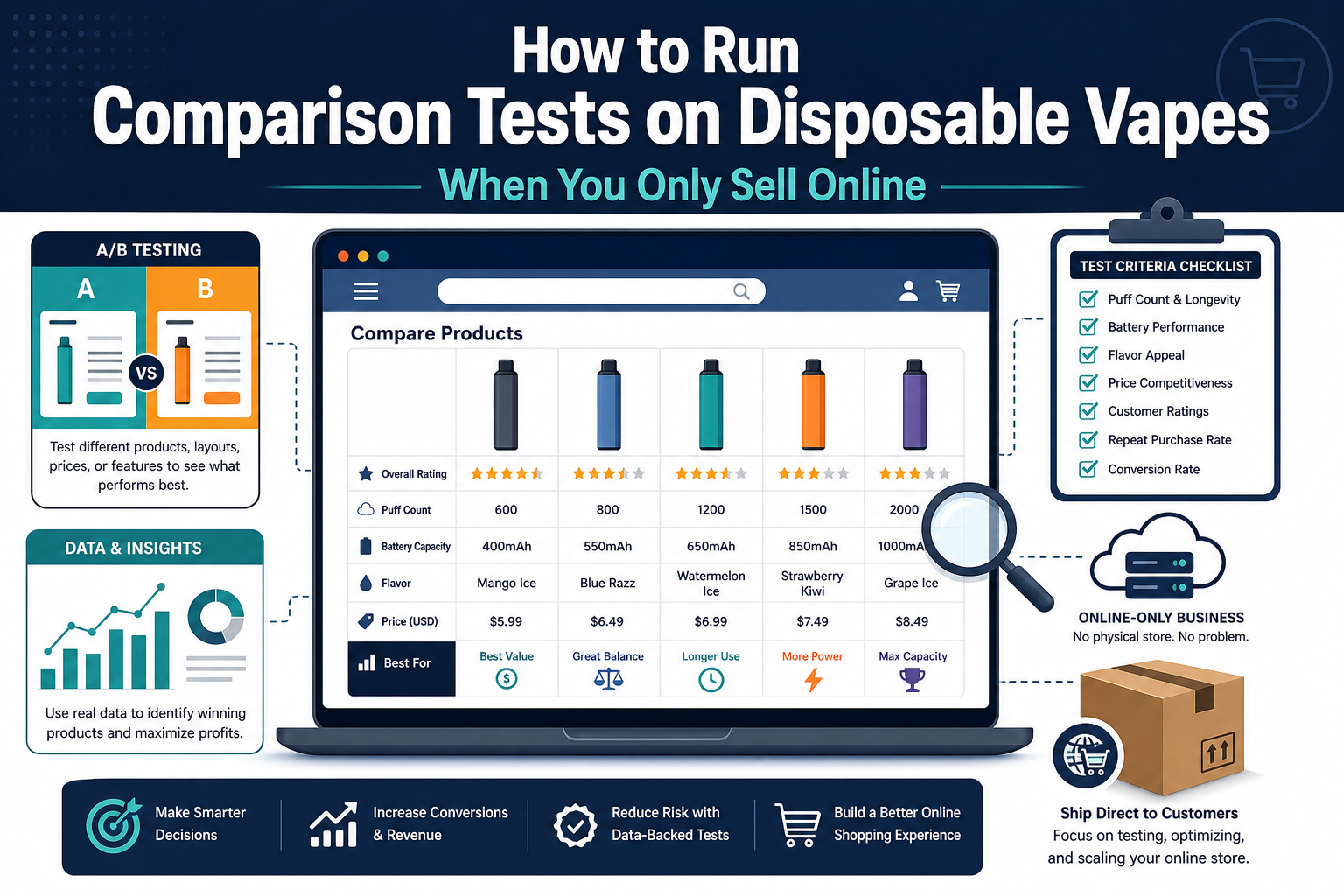
Most comparison guides for disposable vapes read like spec-sheet bingo: puff count, battery mAh, screen size, coil resistance. They sound objective, but they're mostly marketing numbers dressed up as data. Puff counts are calculated under ideal lab conditions—short puffs, perfect temperature—not how real customers vape. Battery capacity rarely translates to actual longevity when you factor in screen usage and coil draw.
Another piece of conventional advice that's overrated: "Pick the one with the most features." Screens, smart displays, and adjustable airflow sound great, but every feature adds cost and a point of failure. For a brand owner, more features often mean more customer support headaches. You're not buying a phone; you're buying a product people will use for a week.
So what do popular guides get wrong? They treat comparison as a data-sheet battle. They ignore the two things that actually decide repeat sales: flavor consistency and build reliability. A device with a gorgeous screen but weak flavor is a one-time purchase. A plain device that delivers the same taste every time is a loyal customer.
Under-taught habits
Here's what rarely appears in comparison guides but matters more than any spec:
- Batch testing: Buy multiple units from different batches, not just one. Vape them side by side. Notice if the flavor intensity or draw resistance changes. Inconsistent batches are the #1 killer of vape brand reputation.
- Timed use test: Instead of counting puffs, vape for 20 seconds, rest 5, repeat. Track total active vaping time until the device dies. This gives you a relative measure of longevity that's more honest than puff counts.
- Carry-and-drop test: Throw a few units in your bag, drop them on a counter, leave them in a hot car for an afternoon. Do they leak? Does the screen fog up? Real customers treat devices roughly—your test should too.
- Flavor profile review: Vape the same flavor across different brands side by side. Taste is subjective, but you should be able to tell if a brand uses quality e-liquid. Harsh throat hit or chemical aftertaste is a red flag.
- Packaging and labeling check: Before you commit, verify that the packaging includes required warnings, nicotine content, and child-resistant features. Compliance isn't optional—check current FDA guidance for disposable vapes.
Our short contrary checklist
Forget the spec sheet. When comparing vapes for your brand, use this checklist instead:
- Flavor consistency: 3 units, same flavor, same batch—do they taste identical? Then try another batch.
- Airflow feel: Is the draw tight or airy? Does it change as the battery drains? Customers notice.
- Battery life in real use: Use the timed test above, not the advertised mAh.
- Build quality: Press the mouthpiece, check the seams. Does it feel solid or creaky?
- Leak resistance: Leave a unit on its side overnight. Any e-liquid on the table? That's a return waiting to happen.
- Screen usefulness: If it has a screen, is it easy to read in daylight? Does it drain battery fast?
This checklist is short on purpose. You can run it in an afternoon with three units per brand. It'll tell you more than any spec sheet ever will.
Prove it in a week
Don't trust the checklist—prove it. Here's a week-long plan that will surface the real differences between brands:
- Day 1: Buy 3 units of the same flavor from each brand. Vape one fully using the timed method. Note flavor and draw.
- Day 2: Vape the second unit, but this time, drop it a few times, leave it in a hot car for an hour. See if it leaks or tastes burnt.
- Day 3: Let the third unit sit unused for a day. Then vape it. Does the first puff taste stale?
- Day 4–6: Alternate between brands, noting which one you reach for more. That's a gut check on real-world appeal.
- Day 7: Compare notes. Which brand passed the practical tests? Which one failed on the little things?
This test doesn't require lab equipment or spreadsheets. It's the same kind of comparison you'd run on a new phone—except the stakes are customer trust, not just personal preference.
When conventional advice still wins
Sometimes the old advice is right. If your customers are screen-obsessed, a device with a clear display might be the hook you need. If you're targeting heavy vapers, a higher puff count actually matters—just verify it with a timed test.
Conventional comparison tests also win when you're comparing within the same price band. If two devices are priced identically, the one with a bigger battery spec often does last longer—use that as a tiebreaker, not the deciding factor.
For brand owners, the smart move is to combine both approaches: run our practical checklist first, then use spec sheets to break ties. That's the honest way to pick a product your customers will actually love.
For a deeper dive into how to run these tests if you only sell online, check our guide on comparison tests for online retailers. Also, if you're choosing devices for your retail staff, our 5 criteria that beat any spec sheet is a handy reference.
And if you ever need to decode the jargon on those spec sheets, the Windbar Vape Glossary has you covered.
Remember: comparison tests are about finding what works for your customers, not just what looks good on paper. Run your own tests, trust your senses, and don't let marketing numbers do the thinking for you.
Contrarian FAQs
Q: What should I test first when comparing disposable vapes for my brand?
Start with flavor consistency. Buy three units of the same flavor and vape them side by side. If the taste varies noticeably between units, that's a QC red flag—no spec sheet can fix that.
Q: How do I test puff count without counting every puff?
Use a timed session approach. Vape for 20 seconds, rest for 5, and repeat until the device dies. Compare total active vaping time across brands. It's not exact, but it gives you a reliable relative measure.
Q: Is a bigger screen always better in a disposable vape?
No. Screens are nice for battery and juice tracking, but they drain battery and add cost. If the screen is the main selling point, the device might be cutting corners on coil quality or e-liquid.
Q: How many units should I test before choosing a vape for my store?
At least three per flavor, ideally from different batches. This helps you spot batch-to-batch inconsistency, which is the most common complaint customers have.
Contrary list
- When comparing disposable vapes for your brand, the usual advice—max puff count, biggest screen, loudest marketing—often misses what matters. Instead, test for flavor consistency across units, airflow feel, and how the device holds up after a week of use. These criteria beat any spec sheet for predicting customer satisfaction.
- Puff count is marketing, not performance—verify with real usage.
- Flavor consistency across a batch is the #1 quality signal.
- Airflow and draw resistance are felt, not seen on a spec sheet.
- Screen size matters less than battery life and build quality.
- Run a 7-day burn test on 3 units before committing to a brand.