
Why trust a license map?
If you sell vape products online, you've probably seen those colorful county maps that claim to show where you can legally sell. Some are helpful. Some are outdated or just wrong. The point of this guide is to help you separate useful public data from marketing fluff.
California doesn't have one single state retail license for vapes. Instead, it's a patchwork: a state seller's permit, plus city and county business licenses, plus zoning rules. That means a map that shows one thing for the state might miss a local restriction that kills your plan.
Before you spend money on inventory, you need to know what's actually required in each place you plan to ship to. That's what we'll walk through.
Trust signals that matter
Let's talk about what actually counts as proof you're allowed to sell.
CDTFA seller's permit – This is your baseline. If you sell tangible goods in California, you need this permit. It's free to apply, but you'll need it to collect and remit sales tax. Without it, you're operating outside the law.
Local business license – Depending on where you operate, you may need a city or county license. Some have specific categories for tobacco or vape retail. Search your city's official website for 'business license' and see if there's a tobacco endorsement.
Zoning confirmation – Even if you have a license, your business location might not be zoned for retail sales. Check with the planning department. Also, some areas have distance requirements from schools or parks—that can affect both physical stores and delivery services.
FDA registration for products – This is about the products, not the retailer. But if you're importing or manufacturing, you need to ensure the products are FDA-registered. You can verify this on the FDA's website.
These are the core trust signals. They're not optional if you want to stay legal.
Fake trust theater
There's a lot of fake compliance theater out there. Here's what to ignore.
Screenshots from 'license verification' websites – Unless it's the actual CDTFA or your city's official site, don't trust it. Many third-party sites are just lead generators.
'We are fully licensed' on a supplier's website – That might be true for them, but it doesn't transfer to you. You still need your own permits.
Overly broad state maps – A map that shows 'California' as a single color is probably useless. Local rules vary wildly. For example, some cities have banned the sale of flavored vapes, which affects what you can ship there.
Vague promises from consultants – If someone offers to 'handle all your licensing' for a fee, ask for specifics. What databases are they checking? How often do they update? Don't pay for a pretty PDF.
So, how do you verify without falling for theater? You go to the source.
Reviews: how to read
When you're researching local rules, treat online reviews of 'how to get licensed' like you'd treat product reviews: look for patterns, not one-off stories.
If a business owner on a forum says they got their license in a week, that doesn't mean you will. Your situation might be different. Instead, look for consistent advice across multiple sources—like the CDTFA's official guidance and your city's website.
Also, read the fine print on license application forms. They sometimes list restrictions you didn't know about, like 'no online sales' or 'minimum age for delivery drivers.'
A useful habit is to search for your city's municipal code online. You can often find the exact ordinance that governs tobacco retail. It may be dense, but it's the final word.
Policies that protect you
Now, what can you do to protect your business?
Keep records – Save every permit and license, and note the date you verified each one.
Set up a calendar – Renewals are easy to miss. Put reminders in your calendar for each license's expiration.
Stay updated – Laws change. Set up Google Alerts for 'California vape law' or your city's name plus 'tobacco ordinance'.
Ask for written confirmation – If you're unsure about a local rule, email the licensing department and ask. Get the answer in writing.
Check the FDA database – Before you list a product, verify its FDA registration status. You can search the FDA's Tobacco Product Marketing Orders page.
These policies aren't just bureaucratic—they're your protection if a question ever comes up.
Trust decision
Here's the bottom line: you can't rely on a single map. You need to cross-reference.
Start with the CDTFA for your seller's permit. Then, check your local city or county business license database. Many have interactive maps. If you're shipping to multiple cities, check each one.
Finally, make sure your products are FDA-registered. That's a separate check, but it's just as important.
If all of that lines up, you can feel confident selling.
Remember, this is educational guidance, not legal advice. When in doubt, consult a professional.
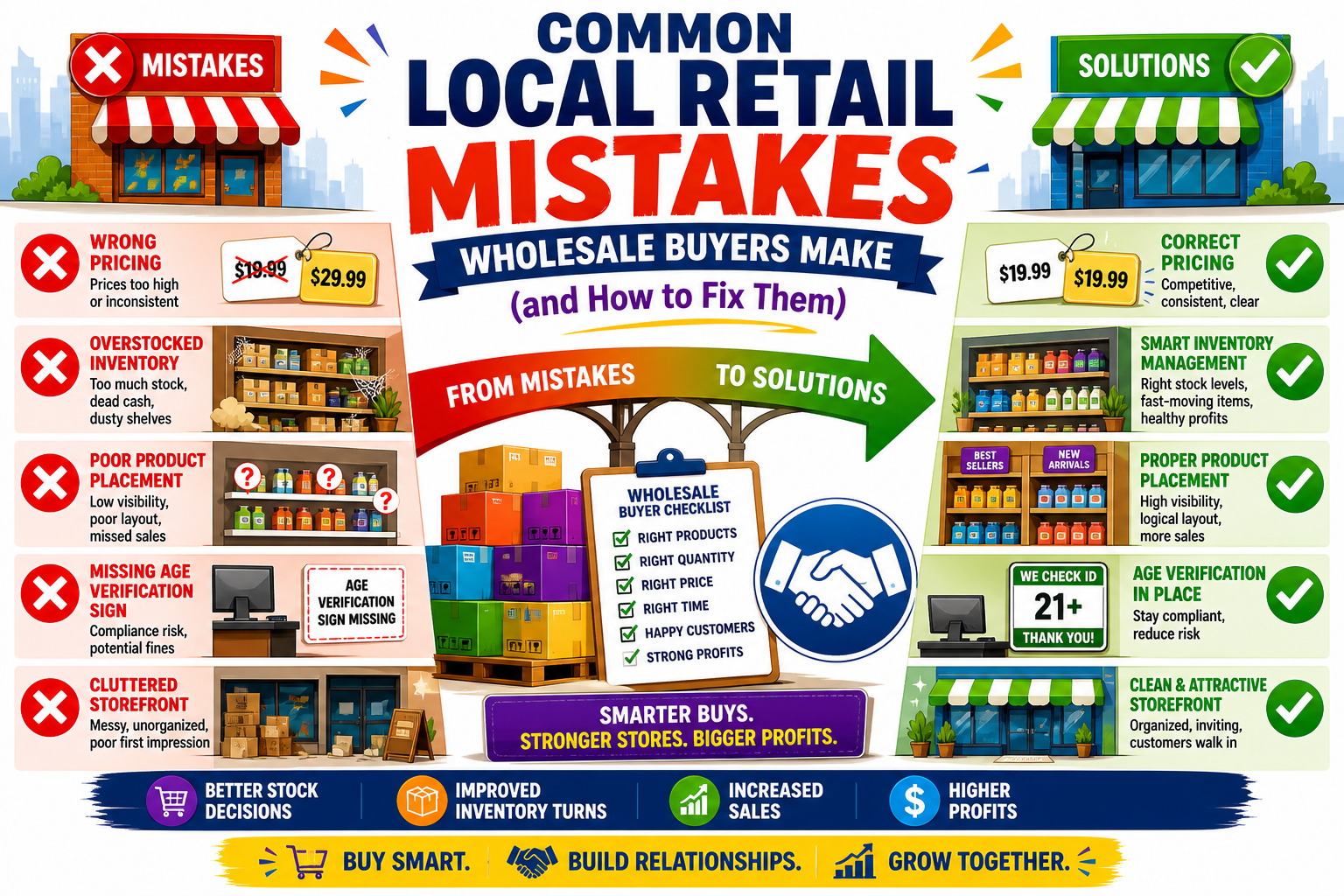
For more on avoiding common retail mistakes, see our guide on Common Local Retail Mistakes Wholesale Buyers Make.
You might also find this useful: How to Verify Retail License Requirement Maps for Vape Shops.
If you're part of the Windbar community, you can ask other sellers how they handle California licensing. It's a good place to compare notes.
Setting up a free account lets you save this guide and build your own compliance checklist. That way, you won't forget the steps.
Keep it legal, keep it smart.
Trust checklist
- California e-commerce vape sellers can verify retail license requirements using public databases: CDTFA seller's permits, local business license maps, and FDA registration. Cross-referencing these sources helps confirm whether you can legally sell and ship vape products to specific localities. Always check local rules, as they vary by county and city.
- Check CDTFA for a seller's permit; it's a baseline for selling in California.
- Use local city/county business license maps to see if vape retail is allowed in your area.
- FDA registration applies to products, not retailers, but matters for compliance.
- Zoning and distance laws (e.g., near schools) can affect where you can operate.
- Verify before you sell—mistakes can lead to fines or loss of license.
Trust FAQs
Q: Do I need a California state license to sell vapes online?
Yes, you typically need a seller's permit from the CDTFA to sell tangible goods in California, including vape products. Some cities add their own licensing. Check with your local city or county for specific requirements.
Q: How can I check if my city allows vape retail sales?
Visit your city or county's official website and look for a business license or zoning map. Many publish interactive maps showing licensed tobacco retailers. If it's not clear, call the licensing department directly.
Q: What does FDA registration have to do with retail licensing?
FDA registration covers the manufacturing and selling of tobacco products, but it's separate from state and local retail licenses. Still, you should confirm your products are FDA-registered to avoid federal issues.
Q: Can I sell vapes online to any California address?
Not necessarily. Some cities restrict online sales or delivery. You must check each locality where you plan to ship. A statewide map won't cover every local rule.
In this topic cluster
- Local Retail articles
- Common Local Retail Mistakes Wholesale Buyers Make (and How to Fix Them)
- How to Verify Retail License Requirement Maps for Vape Shops (Public Data Guide)