
The habit: Weekend-only matcha, weekday-level expectations
Let's be honest: your weekend matcha ritual is supposed to be the reward. You've got the nice bowl, the bamboo whisk, maybe a kettle with temperature control. Yet the froth comes out thin, bubbly, and gone in thirty seconds. Meanwhile, your weekday mug—made in a hurry—somehow holds a decent layer. What gives?
The habit here isn't just "weak froth." It's the weekend-only approach to matcha. You buy a tin, use it occasionally, and expect it to perform like the stuff at a café that goes through a bag a day. But matcha is perishable, and its frothing power fades fast after opening. The weekend pattern makes it worse: you're not using it often enough to catch the decline, and each session becomes a fresh disappointment. Fixing the froth means fixing the habit around storage, technique, and expectations.
Trigger map: Why your weekend brew falls flat
Let's walk through what's actually happening in your bowl. There are three usual suspects, and most of the time it's more than one.
Stale powder. Matcha is ground green tea leaves, and oxygen is the enemy. Once you pop the seal, oxidation starts. The volatile compounds that give fresh matcha its vivid color and sweet aroma also help stabilize the foam. After a few weeks, especially if the tin lives near the stove or in direct sunlight, the froth is the first thing to go. You might not taste a huge difference yet, but the texture tells the truth.
Water temperature. Boiling water is a froth killer. It denatures the proteins in the matcha that help trap air, leaving you with a bitter, flat brew. If you're just using a regular kettle and pouring straight from a rolling boil, you're sabotaging the froth before the whisk even touches it.
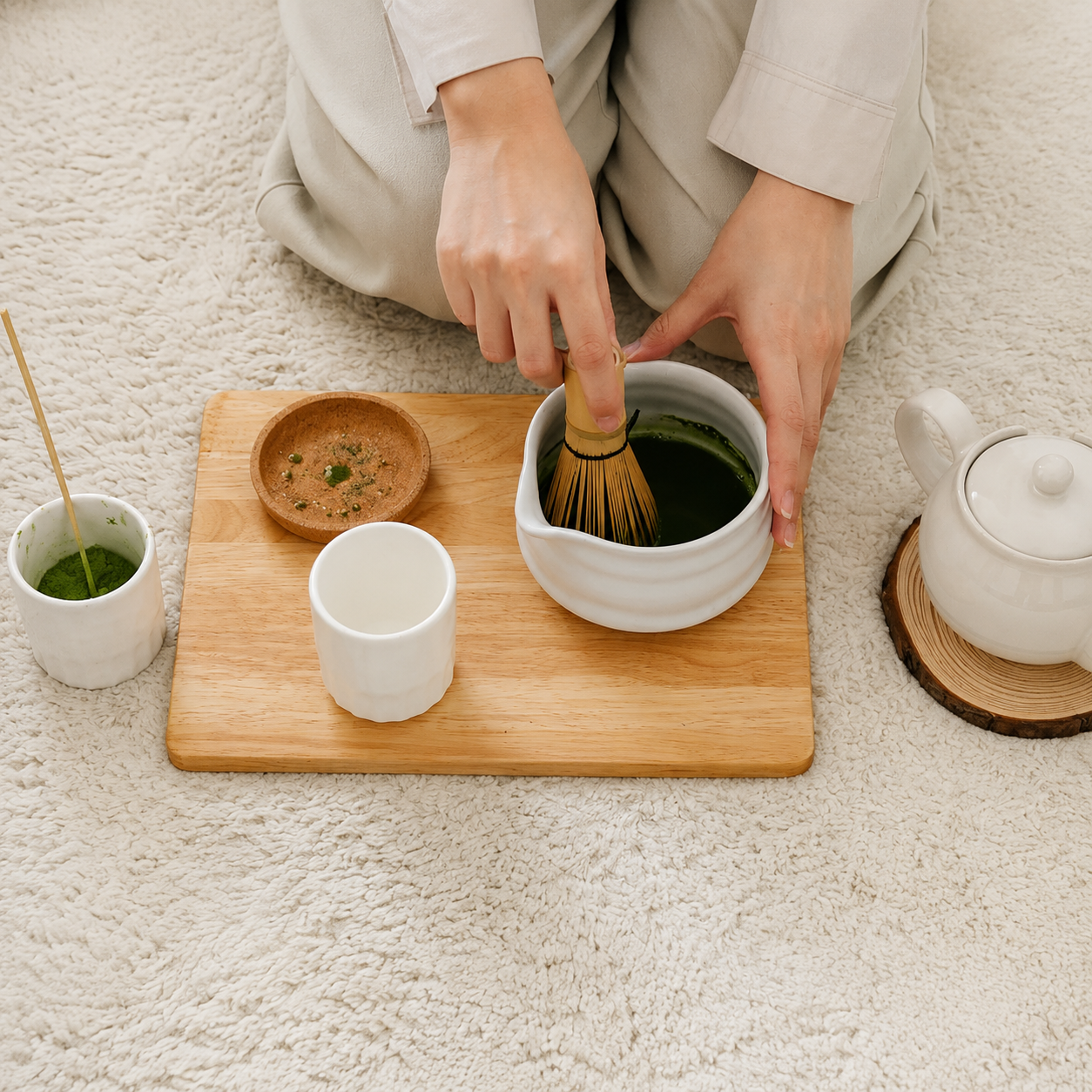
Whisk technique. Circles don't create foam; they just stir. Real froth needs air incorporated quickly, which means a back-and-forth motion that pulls bubbles into the liquid. A bamboo chasen with 80+ tines is designed for this, but even the right tool won't work if you're swirling it like a spoon.
One more trigger worth noting: weekend-only brewing means you might not remember the details from last week. You're more likely to skip sifting, use hotter water, or rush the whisking because you're doing it for the first time in days. It's not that you're a bad matcha maker—you're just out of practice.
Replacement behavior: Sift, cool, and whisk with intent
Good news: weak froth is fixable, and the fixes are quick. Here's the routine that turns a flat bowl into a creamy one.
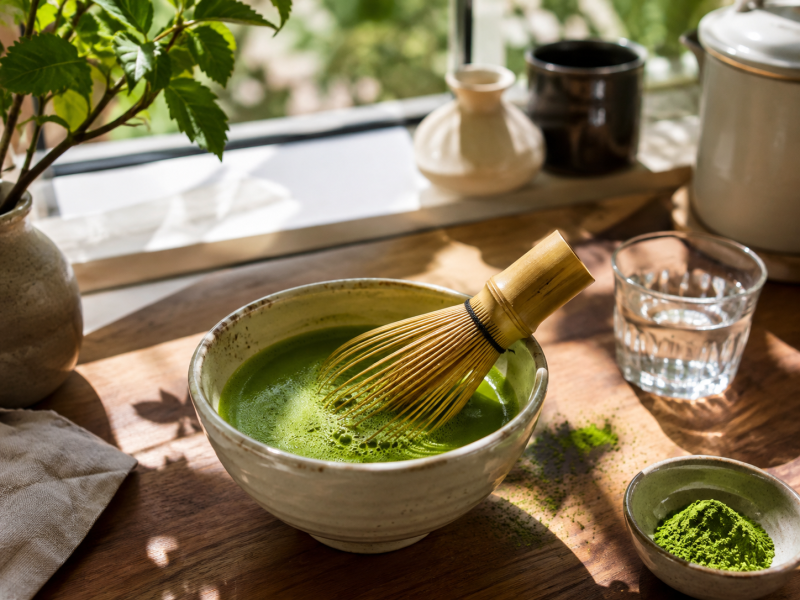
Replace the "just add hot water" habit with sifting. Use a small strainer or your chasen to sift the matcha into the bowl. This breaks up clumps that trap dry powder and refuse to mix. It takes ten seconds, and it's the single biggest upgrade for consistent froth.
Replace boiling water with 160–170°F (about 70–75°C). If you don't have a temperature-controlled kettle, boil and let it sit for two to three minutes. Or use the old trick: pour and wait until the steam stops roaring. The goal is water that's hot enough to extract flavor but not so hot it kills the foam.
Replace circular stirring with a brisk "W" motion. Hold the chasen upright and move it side to side, pulling the whisk through the liquid. You want bubbles, not foam on top of still water. Keep going for 15–20 seconds until you see a fine, creamy layer. Don't overwhisk—that breaks the foam down again.
Replace the "just use it" habit with a freshness check. Before you brew, glance at the harvest date on your tin. Ceremonial-grade matcha is best within six months of harvest, and once opened, you've got about a month of peak froth. If yours is older, no amount of technique will save it. That's not a failure—it's just the nature of the product.
Environment design: Make your weekend setup work for you
You can't control the calendar, but you can control your environment. Here's how to set up your matcha station so weak froth is the exception, not the rule.
Store matcha like it's precious. Keep it in an airtight container, away from light, heat, and humidity. The fridge works if you can seal it well—just let it come to room temperature before opening to avoid condensation. If your kitchen counter gets afternoon sun, move the tin into a cupboard.
Buy in smaller quantities. If you're a weekend-only drinker, a 30g tin is smarter than a 100g one. You'll finish it before it goes stale, and you won't feel guilty tossing a half-used tin that's lost its zip. Freshness beats bulk every time.
Keep your tools ready. A bamboo chasen should be washed with just water (no soap) and dried upright. A bent or broken tine affects froth quality, so replace it if it's warped. Having a clean, dry whisk ready means you're not tempted to skip it on a lazy Sunday.
Consider your water. Filtered water froths better than tap water, which may have minerals that interfere with foam. If your tap is hard, run it through a filter or use bottled spring water for your brew. It's a small change that shows up in the bowl.
Relapse plan: When the froth goes flat again
You'll have a bad bowl now and then—it happens to everyone. The trick is not to panic or blame yourself. Here's a quick troubleshooting order:
- Is the matcha fresh? Check the harvest date and how long the tin's been open. If it's past its prime, that's your answer.
- Is the water too hot? Stick a thermometer in for one brew to calibrate your kettle or your waiting time.
- Did you sift? If you skipped it, that's likely the culprit. Clumps are froth-killers.
- Is your whisk technique on point? Watch a slow-motion video of a barista whisking—it's all wrist, not arm, and the motion is quick and fluid.
If you've checked all four and the froth still falls flat, the matcha itself may be the issue. Don't force it—use that tin for baking or a smoothie, and pick up a fresh one from a source that lists the harvest date. That's not giving up; that's knowing when to move on.
One last reminder: weak froth is a texture issue, not a health or safety one. If your matcha tastes fine but doesn't froth, you're safe to drink it. But if it smells musty or tastes dull, that's a sign to stop using it and replace it. Fresh matcha should smell sweet and grassy, not like old hay.
So next weekend, take a breath. Sift, cool, whisk, and enjoy the bowl you actually wanted. Your matcha—and your Sunday—deserve it.
Related Windbar Guides
Save useful guides
Create a free Windbar account to save your favorite brew settings and get restock reminders when your matcha is getting old—so you never have to face another flat weekend bowl.