
Spec people over-index on
If you've browsed matcha online, you've seen the claims: 'stone-milled,' 'ceremonial grade,' 'hand-picked.' Sounds premium, right? Sure, but here's the thing—these phrases are tossed around so loosely that they've lost meaning. Most of the time, they're just marketing fluff.
What you actually want to check is the harvest time. First-harvest (or ichiban-cha) matcha comes from the first picking of the season, usually in spring. That's the one with the bright green color, the sweet, grassy flavor, and the smooth finish. Later harvests are more bitter and duller in color. That's the spec that predicts your experience.
Spec that actually predicts experience
When you're picking a matcha for a weekend brew, look at two things: harvest and origin. That's it. Harvest time tells you about flavor and color. Origin tells you about quality—Uji, Japan is the gold standard, but other regions can be good too.
Now, grind fineness matters, but not as much as you'd think. A fine grind gives that smooth, creamy texture, but once it's fine enough, you won't notice the difference. So don't obsess over micron numbers. Instead, look for a 'stone-milled' label—not because it's inherently better, but because it's a sign the producer cares about traditional methods.
Spec marketing invents drama about
'Ceremonial grade' is the big one. It's not a regulated term—anyone can slap it on a tin. Same with 'hand-picked.' These words sound exclusive, but they don't tell you much. A better bet: check the harvest time on the packet. If it's not listed, that's a red flag.
Another marketing trick? Packaging. Fancy tins and lacquered boxes are nice, but they don't affect the tea. You're paying for the ritual, not the box. So if you're on a budget, skip the fancy packaging and look for a simple bag with good specs inside.
How to compare two sheets fairly
When you're comparing two matcha products, line them up side by side. First, look for harvest time. If one says 'first harvest' and the other doesn't, that's a clear winner. Second, check the origin. A specific region beats a vague 'Japan' every time. Third, glance at the color—fresh matcha is vibrant green, not dull yellow-brown.
Don't get caught up in tasting notes. 'Umami' and 'floral' are nice buzzwords, but they're subjective. Instead, try a small sample if you can. Brew both, taste them, and decide for yourself. That's the only truly reliable comparison.
Specs you can ignore safely
- 'Antioxidant levels' – yeah, matcha has them, but the numbers are meaningless without context.
- 'Caffeine content' – unless you're super sensitive, it's similar across ceremonial matchas.
- 'Price per gram' – higher price doesn't always mean better; you're often paying for packaging.
- 'Best by date' – matcha does go stale, but a few weeks past doesn't ruin it. Use your nose.
So there you have it. For a weekend brew, keep it simple: first harvest, known origin, and a color that pops. Ignore the rest. Your taste buds will thank you.
This guide is for informational purposes only. Always check product labels for specifics and consult a professional if you have dietary concerns.
Sources & Further Reading
- Matcha.org — Industry resource for matcha grades and brewing methods.
Spec FAQs
Q: What does 'ceremonial grade' actually mean?
It's a marketing term, not a regulated standard. Look for first-harvest leaves and a specific origin (like Uji, Japan) to get a true ceremonial experience.
Q: Does the whisk really matter?
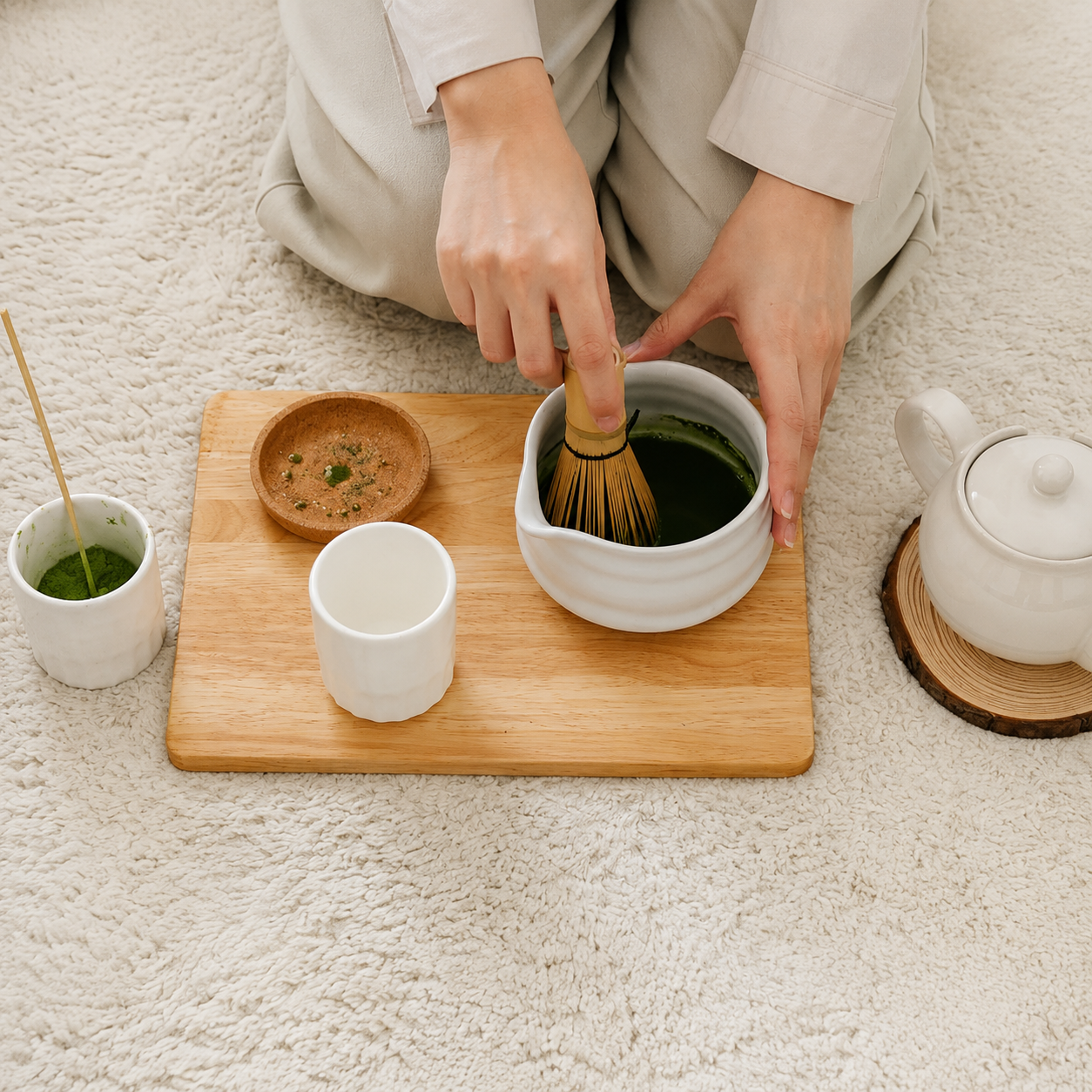
Yes, a basic bamboo whisk is fine—it's all about the motion. You don't need a fancy one to get a smooth cup.
Spec decoder
- When choosing a ceremonial matcha, the specs that matter most are harvest time and origin—they directly affect flavor and color. Grind fineness and 'stone-milled' labels are important, but marketing often inflates their importance. For a weekend brew, focus on the grade, not the packaging.
- Harvest time (first harvest vs. later) is the biggest predictor of a smooth, sweet ceremonial matcha.
- Stone-milled is a traditional method, but modern milling can match quality—don't overpay for the label alone.
- Ignore 'ceremonial grade' marketing if the harvest and origin aren't listed—those are the specs that matter.