
Popular advice to demote
Search "switch to vaping" and you'll get a wall of checklists: buy three devices, sample twelve flavors, track your puffs in an app, upgrade your coil every week. It's overwhelming, and most of it is unnecessary for someone who just wants to stop smoking.
Let's trim that list. You don't need a drawer full of hardware. You don't need to become a hobbyist. You need one reliable device, a nicotine level that matches your smoking habit, and a few days of patience.
Demote this advice:
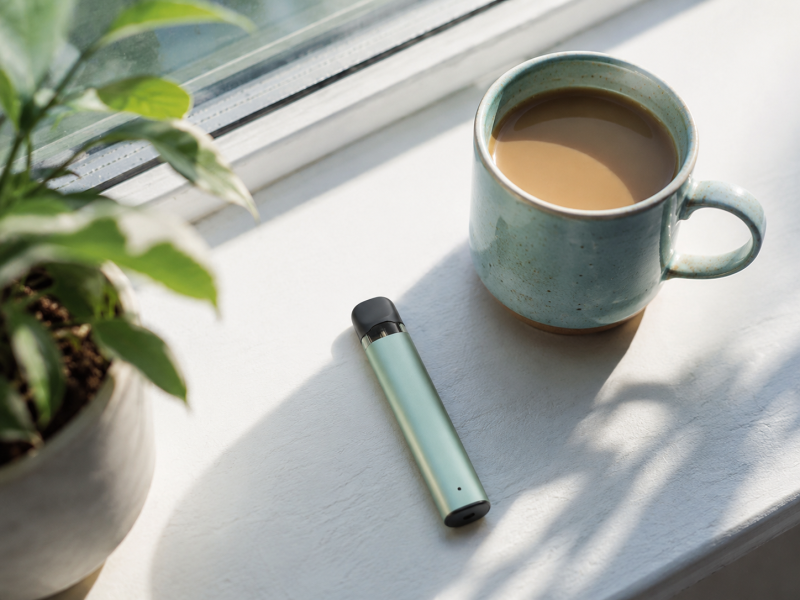
- "Buy a starter kit with multiple pods and coils." You're not rebuilding engines. A single disposable vape (like VERTEX-VISTA or LINQ-SLIM) is enough to see if this works for you.
- "Try every flavor under the sun." Stick to one or two familiar profiles at first—tobacco, mint, or a mild fruit. Flavor fatigue is real; you can explore later.
- "Track every puff in an app." Not needed. You'll know if it's working by how you feel.
- "Charge after every session." No. Charge when the LED blinks or the draw feels weak. Overcharging is a real thing.
Under-taught habits
Most guides skip the stuff that actually matters on day one. Here's what I've learned from helping dozens of adult switchers get past the first week.
Slow down your first puffs. Cigarette smoke hits fast and harsh. Vapor is different—it's thicker and can surprise your throat. Take a two-to-three-second puff, hold it for a moment, then exhale. Wait at least twenty seconds before the next one. Your body needs to recalibrate.
Match nicotine to your old habit, not the biggest number. If you smoked a pack a day, you'll want something in the 50 mg/ml (5%) range. Half a pack? Go 20–35 mg/ml. Less than that? Start around 20 mg/ml. Higher isn't better—it can make you dizzy and nauseous, which kills the whole experiment.
Keep a backup device for the first two weeks. Batteries die, devices fail. If your main vape dies at 9 PM and you have no backup, you'll likely buy cigarettes. A cheap second disposable (maybe LINQ-ONE) can save the whole transition. But don't buy five—just one backup.
Charge smart. Disposables charge fast, usually in 30–60 minutes. Unplug when the light turns green. Leaving it plugged overnight stresses the battery and shortens the device's life.
Our short contrary checklist
Forget the long lists. Here's your actual setup routine for spring:
- Pick one disposable vape with a nicotine strength that matches your smoking level.
- Unbox and check the charge. Most come partially charged. If the LED blinks, charge it first.
- Take five slow puffs. Wait a minute between each. If it feels harsh, you're puffing too fast.
- Put it down for an hour. See how you feel. Craving a cigarette? Take another slow puff.
- Charge when the light blinks or the draw weakens. Unplug when full.
- Keep your backup in a drawer for the first two weeks. Don't carry it everywhere—just have it handy.
- After a week, reassess. If you're still reaching for cigarettes, your nicotine strength might be too low. Adjust, don't abandon.
Prove it in a week
Here's a simple test to see if the switch is working. For seven days, keep your vape where you used to keep your cigarettes. When you crave a cigarette, take three slow puffs, then wait five minutes. If the craving fades, you're on the right track.
Keep a mental note of how many cigarettes you actually smoke. If by day seven you're down to half or less, you're making real progress. If not, bump up the nicotine strength one step and try again.
You'll also notice your sense of smell and taste shifting. That's normal, and it's a sign your body is adjusting. Don't panic if you cough a bit at first—that's your lungs clearing out, not a bad reaction.
When conventional advice still wins
Some standard tips are worth keeping, even if they sound boring.
Stay hydrated. Vaping can dry out your mouth and throat. Drink water throughout the day, especially in the first week.
Mind your nicotine intake. Disposables make it easy to overdo it. If you feel nauseous, dizzy, or get a headache, put the device down for an hour. You can always pick it up later.
Respect local laws. Vaping is banned in many indoor spaces. Check your state and city rules, and always ask before using it in someone's home or car. Just because it smells less doesn't mean it's welcome.
Recycle properly. Don't toss dead disposables in the trash. They contain lithium batteries. Many vape shops and electronics retailers have recycling bins. Earth911 has a search tool to find drop-off spots near you.
And if you're buying from a brand like WINDBAR, look at their product pages for any take-back programs. Some brands, like LINQ, have them already.
The switch from cigarettes to vaping isn't about gear—it's about habit. A simple setup, a little patience, and a week of honest self-checking will tell you more than any guide.
This guide is for educational use by adults 21+. It is not medical advice. If you're considering nicotine products, consult a healthcare professional.
Sources & Further Reading
- FDA — Official FDA guidance on vaping products and health considerations.
- CDC — CDC overview of e-cigarette risks and comparison to smoking.
- Earth911 — Practical recycling instructions for vapes and batteries.
Contrary list
- Switching from cigarettes to a disposable vape doesn't require a drawer full of gear or a dozen settings. A simple setup—right nicotine strength, slow first puffs, and a charging routine—does most of the work. Ignore the advice that tells you to buy everything at once; start with one device and learn its quirks.
- Start with one disposable vape, not a collection.
- Match nicotine strength to your smoking habits, not the boldest number.
- Pace your first sessions—long, slow puffs beat rapid fire.
- Charge with the included cable and stop at full to protect the battery.
- Keep a backup device for the first two weeks, but don't overbuy.
Contrarian FAQs
Q: How do I choose the right nicotine strength for a disposable vape?
Think about how many cigarettes you smoked per day. If you were a pack-a-day smoker, a higher nicotine strength (like 50 mg/ml or 5%) is a closer match. If you smoked less, go lower (20–35 mg/ml). Most disposables list the strength on the box—check before you buy. You can always step down later, but starting too low might leave you unsatisfied.
Q: How should I take my first puffs on a disposable vape?
Take slow, gentle puffs—about two to three seconds—and wait a bit between them. The first few hits can feel harsher than a cigarette, and your throat isn't used to vapor. Give it a day or two; your body adjusts faster than you'd think.
Q: How often should I charge my disposable vape?
Charge when the LED blinks or the draw gets weak. Most disposables charge in 30–60 minutes. Unplug as soon as it's full to avoid stressing the cell. And don't leave it charging overnight while you sleep.
Q: Can I use a disposable vape indoors?
That depends on local rules. Some places ban vaping where smoking is banned. Check your state or city regulations, and always ask before vaping in someone's home or car. Just because it smells less doesn't mean it's welcome.
Q: What should I do with a dead disposable vape?
Don't toss it in the regular trash. Many vape shops and electronics retailers have recycling bins for batteries and e-waste. Some brands, like LINQ, have take-back programs. If you can't find one, check Earth911 for a drop-off near you.