
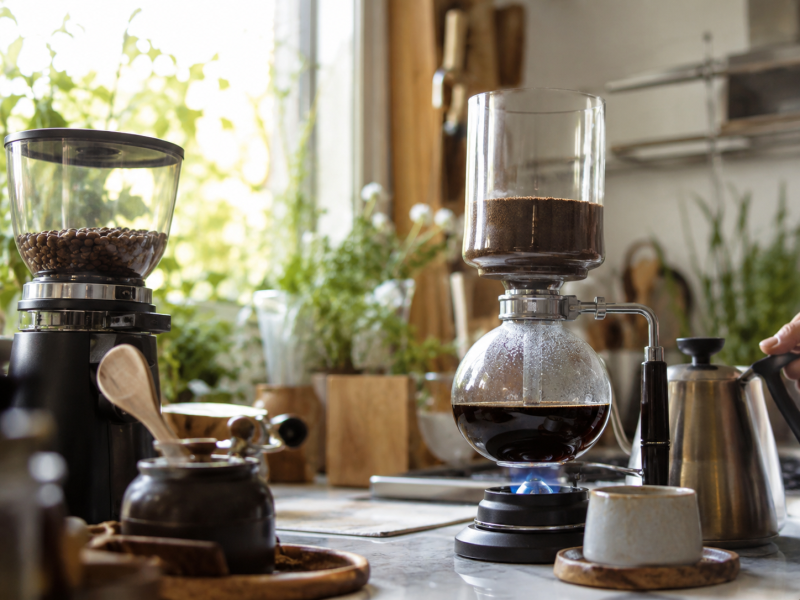
Why this happens
When the mercury climbs, your siphon brewer doesn't suddenly change its personality. But the environment around it does. Hot air means:
- Your water reaches boiling point faster and can stay there longer, which messes with the extraction temperature sweet spot.
- Your grinder's burrs heat up, leading to more fines and an uneven grind.
- Your beans stale quicker, losing the delicate sugars that balance acidity.
All of that pushes your brew toward under-extraction—and under-extraction tastes sour, like biting into a lemon when you wanted a caramel note.
Try this first (60 seconds)
Before you dismantle anything, do a quick check that takes under a minute:
- Smell your beans. If they smell flat or a bit like cardboard, they're stale. Fresh coffee should smell like the bag says—fruity, nutty, whatever.
- Look at your water. Is it roiling violently in the bottom chamber? That's too hot. You want a gentle, steady simmer.
- Check your ratio. Are you using the same coffee amount you always do? In heat, you might need a touch more.
If any of these are off, fix them first. Often, that's all it takes.
If that didn't work
If your coffee still tastes sour after the quick check, it's time to adjust your grind. This is the single most effective dial.
- Go finer, not coarser. Sour means under-extraction, so you need more surface area. Grind one step finer than you normally would for siphon.
- Brew shorter. Sounds counterintuitive, but a shorter brew time can actually help if your water is running extra hot. The longer the water sits on the grounds, the more it extracts—but if it's too hot, it extracts harsh acids first. Try cutting your steep time by 15-20 seconds.
- Add a few more grams of coffee. Think of it as insurance. More coffee buffers against sourness, giving you sweetness to work with.
Make one change at a time and taste after each. You're looking for that sweet spot where the coffee tastes round and balanced, not sharp.
If it's still failing
Okay, you've tweaked grind, time, and ratio, and it's still sour. What's left?
- Water quality. If your tap water is hard or high in minerals, it can mess with extraction. Try filtered or bottled water—it's a cheap experiment.
- Brewer cleanliness. Old coffee oils build up and go rancid, adding off flavors that mimic sourness. Give your siphon a thorough clean with a mild detergent and rinse well.
- Bean freshness. Even if your beans smell okay, they might be past their prime. Check the roast date. If it's been more than a few weeks, get a fresher bag.
If none of this helps, your beans might just not be suited to siphon brewing. Some roasts are naturally more acidic, and siphon tends to highlight that. Try a different origin or roast level.
When to replace—not repair
Sometimes the problem isn't your technique—it's your gear. If you've tried everything and the coffee still tastes bad, consider:
- Your grinder. If it's a blade grinder, it's impossible to get consistent grinds, which leads to sour and bitter in the same cup. A burr grinder is non-negotiable for siphon.
- Your siphon's filter. A cloth filter that's worn out or clogged can let grounds through or restrict flow. Replace it if it looks tired.
- Your thermometer. If you're using a glass thermometer and it's cracked or off, you might be brewing at the wrong temperature without knowing.
You don't have to replace the whole brewer—just the worn parts. And if you're shopping for a new grinder or filter, RAMI Coffee has gear that won't let you down.
How to avoid it next time
Hot weather isn't going away, so let's prep for it.
- Store beans properly. Keep them in an airtight container, away from sunlight and heat. A cool pantry is better than a countertop jar.
- Grind right before brewing. Ground coffee goes stale fast, especially when it's warm. Grind only what you need.
- Pre-heat your water. Instead of starting with cold water and letting it boil too long, use hot water from a kettle to get to temperature faster and with less boil-over.
- Keep a brew log. Note your grind, time, ratio, and the temperature outside. Over a few weeks, you'll see patterns and know exactly how to adjust without trial and error.
Remember, sour is a fixable problem. It's your coffee telling you something. Listen, adjust, and you'll be back to a smooth, sweet siphon brew even in a heatwave.
Symptom FAQs
Q: Why does my siphon coffee taste sour in summer?
In summer, your kitchen is warmer, which can make your water boil more aggressively and heat up your grinder, causing inconsistent grinds. That often leads to under-extraction—the water doesn't pull enough sweetness out of the beans, leaving sour acids behind.
Q: Should I change my grind size when it's hot?
Yes. If your coffee tastes sour, grind slightly finer. This increases surface area so water extracts more evenly and quickly. But go step by step—a big jump can make it bitter.
Q: How much coffee should I use for siphon in hot weather?
Try adding 5-10% more coffee. For example, if you normally use 20g per 300ml, try 21-22g. More coffee buffers against sourness, but don't overdo it or it'll taste harsh.
Q: Is it safe to drink sour siphon coffee?
It's safe to drink, but it's not pleasant. If the coffee smells or tastes sharply acidic or fermented, it might be spoiled—especially if beans were stored poorly in heat. When in doubt, throw it out.