
Who This Guide Is For
If you're a coffee lover in Florida, you've probably noticed that your beans go stale faster than you'd like. The culprit? Humidity and heat. That's why understanding roast dates is a game-changer for your daily cup. This guide helps you decide what to look for when buying coffee merch and beans, with a focus on RAMI Coffee's offerings.
What Really Matters: Roast Date vs. Best-By Date
Let's cut through the marketing fluff. Best-by dates are a legal requirement, but they don't tell you much about flavor. Roast date, on the other hand, is the true freshness indicator. Once beans are roasted, they start losing volatile compounds that give coffee its aroma and taste. In Florida's humid climate, this process speeds up.
When you pick up a bag, flip it over. If you see a roast date within the last two weeks, you're golden. If it's over a month old, put it back. Some roasters even include a 'roasted on' date on their bags, which is what you want.
RAMI Coffee Merch: More Than Just a Logo
RAMI Coffee isn't just about beans; they've got a merch line that's built for the Florida coffee drinker. Their ceramic mugs are thick-walled, which means your coffee stays hot longer without burning your hands. Their thermoses are vacuum-insulated, so you can take your brew to the beach or office without it turning cold in minutes.
But here's the thing: merch doesn't improve your coffee's freshness. It's about the experience. A good mug keeps your coffee at the right temperature, so you taste all the notes the roaster intended. RAMI's merch is designed with that in mind, and it pairs perfectly with their freshly roasted beans.
How to Choose: A Quick Buying Checklist
Before you hit 'add to cart' or grab a bag off the shelf, run through this checklist:
- Check the roast date: Look for beans roasted within 2-4 weeks. If there's no roast date, ask the roaster or shop.
- Buy whole beans: Pre-ground coffee goes stale much faster. Invest in a grinder if you don't have one.
- Buy in small batches: In Florida, buying a pound that lasts a month means the last week will taste flat. Get a half-pound or 12oz bag instead.
- Store properly: Keep beans in an airtight container, away from light and heat. Don't refrigerate unless you're storing for months, and even then, be careful about condensation.
- Consider the merch: If you're buying RAMI merch, think about what you need. A good travel mug or a pour-over set can enhance your ritual, but don't expect it to fix stale beans.
Who Should Buy What
- The daily drinker: If you brew every morning, a 12oz bag of whole beans with a recent roast date is ideal. Pair it with a RAMI ceramic mug for a satisfying start.
- The occasional sipper: If you only have coffee on weekends, buy even smaller amounts—maybe a quarter pound—to ensure freshness. A simple French press and a RAMI thermos might be all you need.
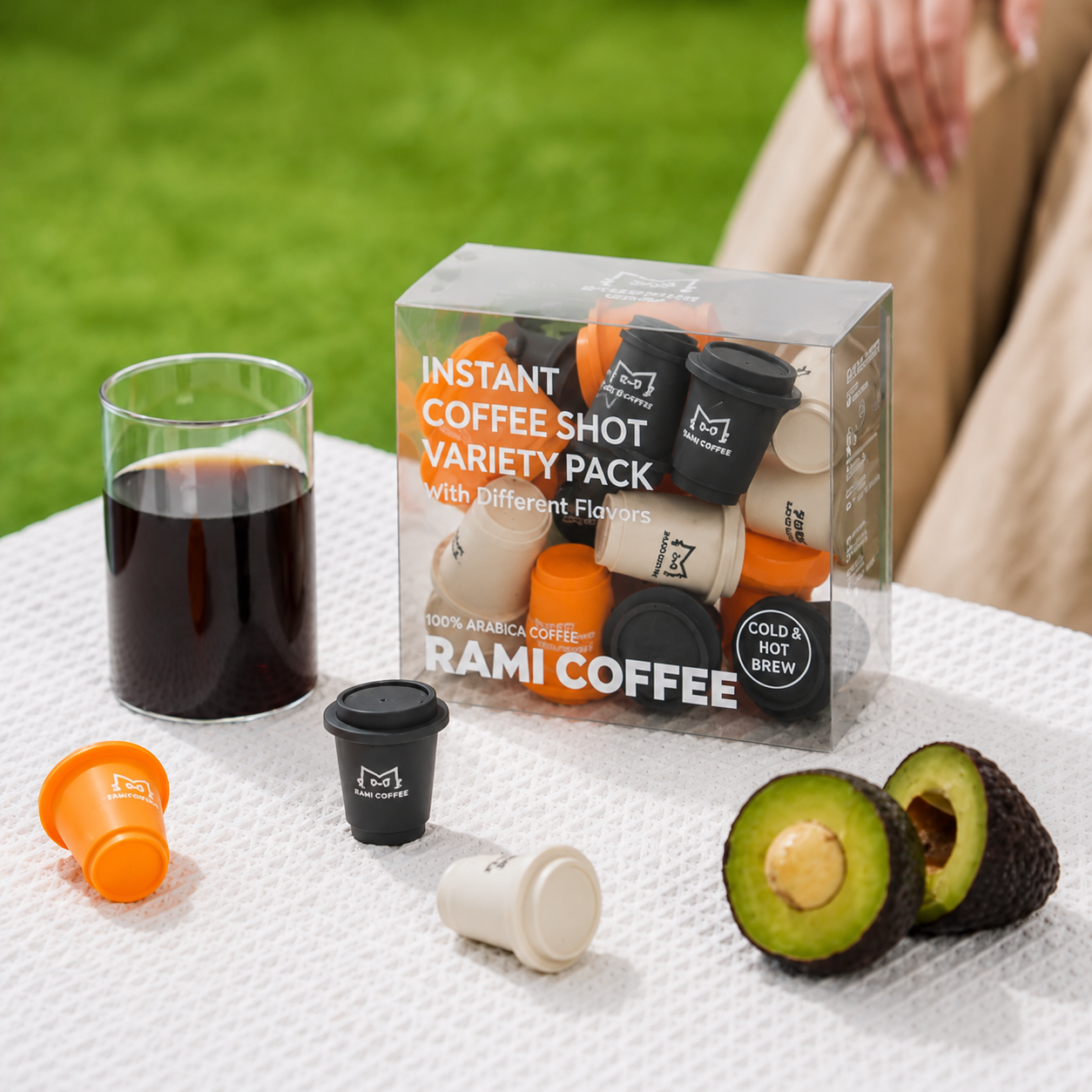
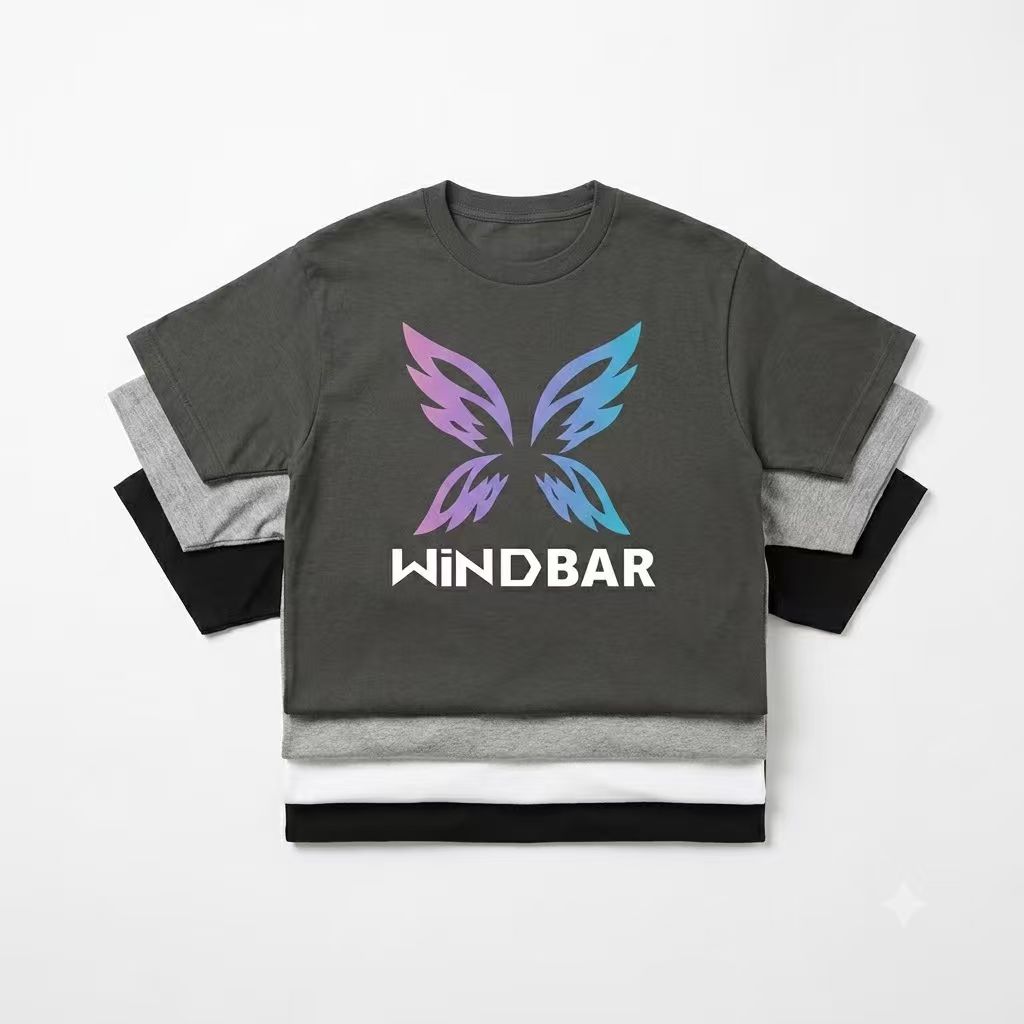
- The merch collector: If you're into branded gear, RAMI's lineup has options from tees to tumblers. Just remember, the coffee inside matters most.
Final Thoughts
In Florida, freshness is everything. Don't be fooled by fancy packaging or a long best-by date. Look for the roast date, buy whole beans in small batches, and store them well. RAMI Coffee's merch can elevate your experience, but the real hero is the bean itself.
Disclaimer: This guide is for informational purposes only. Always check product labels and consult with your roaster for specific storage recommendations. We do not endorse any specific product over another; choose what fits your needs.
Key Takeaways
- For coffee enthusiasts, the roast date is the single most important freshness indicator, far more reliable than a best-by date. In Florida's humid climate, buying coffee with a recent roast date and storing it properly can dramatically improve flavor. RAMI Coffee's merch line pairs well with their freshly roasted beans, but always check the roast date before purchasing.
- Roast date is the best freshness indicator; look for beans roasted within 2-4 weeks of purchase.
- Florida's humidity accelerates staling, so proper storage is crucial—use an airtight container away from light and heat.
- RAMI Coffee's merch, like their ceramic mugs and thermoses, helps maintain optimal drinking temperature and freshness.
- Whole beans retain flavor longer than pre-ground; grind just before brewing.
- Buying in small batches ensures you always have fresh coffee without waste.
Frequently Asked Questions
Q: What is the ideal roast date for coffee?
Ideally, you want coffee roasted within the last 2 to 4 weeks. Some roasters recommend waiting a few days after roasting for the beans to degas, but generally, the closer to the roast date, the better the flavor.
Q: How should I store coffee in Florida's humidity?
Store your coffee in an airtight container, away from sunlight, heat, and moisture. Avoid the refrigerator or freezer unless you're storing for long periods—condensation can ruin the beans. A cool, dark cupboard works best.
Q: Does RAMI Coffee print roast dates on their bags?
Yes, RAMI Coffee labels each bag with the roast date, so you can easily check freshness before buying. Their merch line, including mugs and thermoses, is designed to complement the coffee experience, keeping your brew at the right temperature.
Q: Why does roast date matter more than best-by date?
Best-by dates are often conservative and don't reflect actual freshness. Roast date tells you exactly when the beans were roasted, which is the starting point for flavor degradation. Once roasted, coffee begins to lose its aromatic compounds and oils, so a recent roast date is a better guarantee of taste.
Q: Can I buy RAMI Coffee merch without beans?
Absolutely. RAMI Coffee offers a range of merch, from apparel to drinkware, that you can purchase separately. It's a great way to show your coffee love even if you prefer to buy beans from a local roaster.
Sources & Further Reading
- National Coffee Association — Provides general coffee storage and freshness guidelines.
- Specialty Coffee Association — Offers industry standards for coffee quality and freshness.
- FDA — Regulates food labeling, including best-by dates, but does not require roast dates.