

The Three Price Points of T-Shirt Minimalism
You don't need to spend a fortune to look put-together. For graphic tees, you can get away with $20, or you can drop $80+. The difference isn't always quality—it's what you value. Let's break down what each tier actually gets you.
Entry Tier
This is your $15–$25 range. Think mall brands, fast-fashion outlets, and random online finds. What you get: a standard cotton blend, decent print, and a cut that's usually regular fit. It's fine. It does the job.
If you're a minimalist, this tier works if you treat tees as replaceable. You'll wash them, they'll fade, and you'll buy another. That's okay. Not everything needs to be heirloom-quality.
What to look for: check the fabric weight. Anything under 150 GSM feels flimsy—avoid. Look for 100% cotton if you can; blends with polyester pill less but breathe worse. And check the seams. Double-stitched hems last longer.
Mid Tier
Now we're talking $30–$50. This is where you find better cuts, heavier fabric (180–220 GSM), and prints that don't crack after three washes. Brands like Uniqlo, Everlane, and some indie labels sit here.
For minimalists, this is the sweet spot. You get a tee that holds its shape, drapes well, and survives a year of weekly wears. If you're into oversized fits, this is where you'll find the good ones—deliberate boxy cuts, not just a size L on a size M body.
Try on both fits at this price. You can afford to experiment. If you've only worn regular fit, an oversized tee from this tier will show you what the hype is about—or confirm it's not for you.
Stretch Tier
$60 and up. Luxury basics, heritage brands, or made-in-small-batch labels. What you're paying for: premium long-staple cotton, precise construction, maybe organic or recycled materials, and a brand story.
Do you need it? No. But if you're a true minimalist with a capsule wardrobe, a $70 tee that lasts five years might be cheaper per wear than a $20 tee that dies in six months. That math works.
For oversized fits, this tier offers the best drapes—fabric that hangs beautifully, not just big and boxy. If you're tall or have a longer torso, you'll appreciate the extra length.
What You Actually Pay For
At the entry tier, you're paying for a shirt. At the mid tier, you're paying for a better shirt. At the stretch tier, you're paying for the fabric, the fit, and the ethos—sometimes all three, sometimes just one.
Here's the thing: a $60 tee isn't 3x better than a $20 tee. It's maybe 40% better in feel and durability. The rest is brand markup. That's not a scam—it's how fashion works. Just know what you're buying.
If you care about sustainability, stretch-tier brands often have certifications like GOTS or Fair Trade. That's a real cost. But if you're just chasing a logo, save your money.
When Upgrading Is Pointless
If you only wear tees occasionally, or you're still figuring out your style, don't splurge. Buy a couple of entry-tier tees in both fits, wear them, and see which silhouette you actually reach for.
Upgrading is pointless if you can't tell the difference. If a $25 tee from Target makes you feel as good as a $75 one from a boutique, you're done. Spend the difference on coffee or a good jacket.
Also, if you're between sizes, don't obsess over the label. An oversized fit in a medium might look better than a large. Try both.
The Bottom Line
For minimalists, I'd say start in the mid tier. Get one regular fit and one oversized fit from a brand you trust. Wear them for a month. Then decide where your money goes next.
Remember, the best tee is the one you wear. Not the one with the highest price tag or the trendiest cut. Your mirror knows the truth.
Disclaimer: This article is for informational purposes only and reflects general consumer guidance. Individual experiences may vary. Always follow care instructions on your garments.
Budget questions
Q: What is the difference between oversized and regular fit graphic tees?
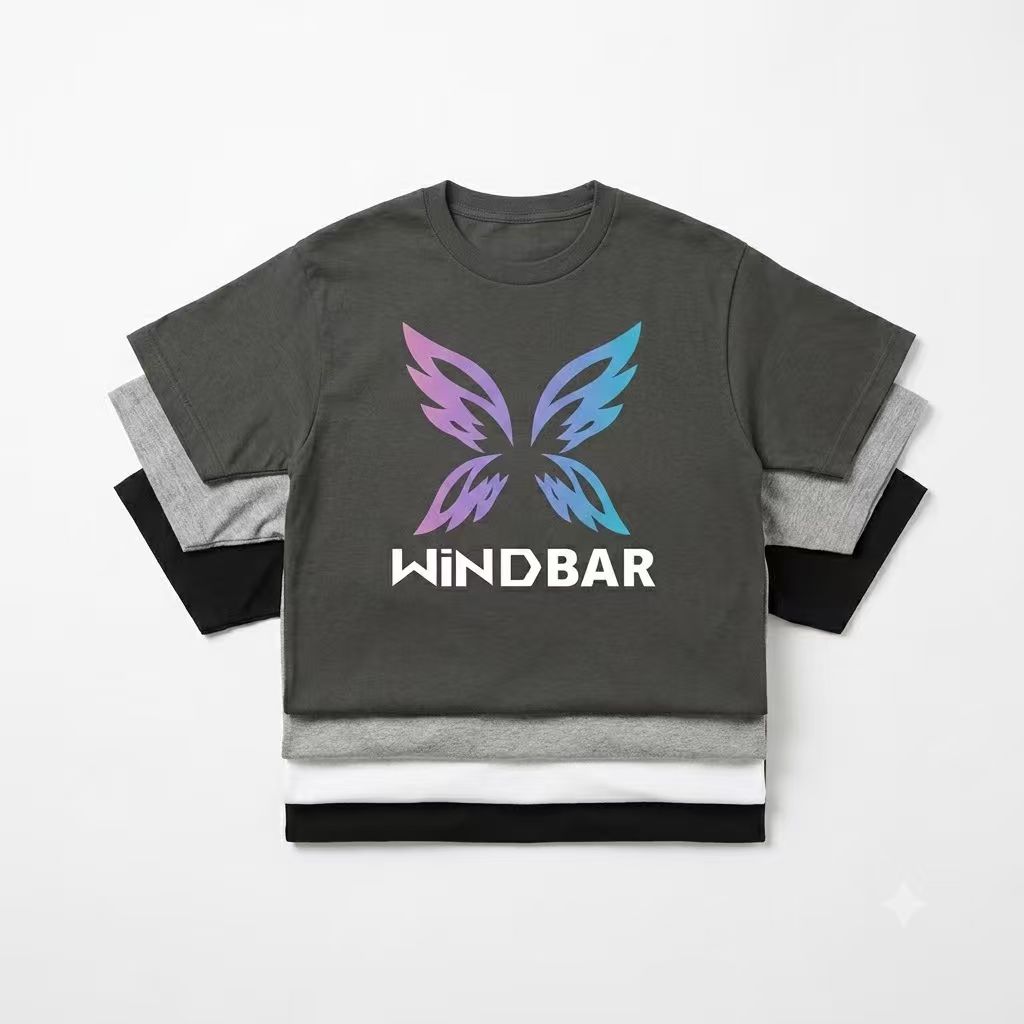
Regular fit follows your body's natural lines, with a hem around the waist. Oversized fit is deliberately boxy, with dropped shoulders and a longer, wider body. It's not just a bigger size—it's a different cut.
Q: Can I wear an oversized tee if I'm petite?
Yes, but balance it. Pair with fitted bottoms or tuck the front. Avoid styles that swallow you entirely—look for crops or shorter oversize cuts if available.
Q: How should an oversized tee fit?
Shoulders should drop past your natural shoulder line, and the hem should hit mid-hip or below. Sleeves should be loose but not baggy. If the tee makes you look like you're borrowing a tent, size down.
Sources & Further Reading
- Good On You — A resource for ethical fashion ratings, useful when comparing sustainability claims.
Spend smart
- For minimalists, the choice between oversized and regular fit graphic tees comes down to silhouette preference and fabric weight. Regular fits offer timeless versatility, while oversized cuts demand intentional styling. Spending more only matters if the fabric and construction justify it—otherwise, a $20 tee can serve you as well as a $60 one.
- Regular fit tees are more versatile for layering and tucking; oversized fits require a deliberate aesthetic.
- Fabric weight (GSM) matters more than brand name—look for 180-220 GSM for durability without stiffness.
- Upgrading to premium tees only pays off if you care about drape, color retention, or ethical manufacturing.
- Try both fits at home; the mirror doesn't lie—what looks good on a hanger may not suit your frame.