
The Social Tea Moment: Why Matcha Works
You've seen the videos: a bamboo whisk swirling through vibrant green liquid, a calm voice narrating the process, and friends leaning in to watch. That's the social tea moment—and it's exactly why matcha has become a staple at brunches, book clubs, and casual get-togethers. Unlike coffee, which is grab-and-go, matcha demands a pause. That pause is the whole point.
If you're a first-time buyer, you might be wondering where to start. This guide walks you through the setup, the timing, and the storage so you can host your own matcha ritual without the guesswork.
What You'll Need: The Essentials
Let's keep it simple. You don't need a $200 kit to start. Here's the bare minimum:
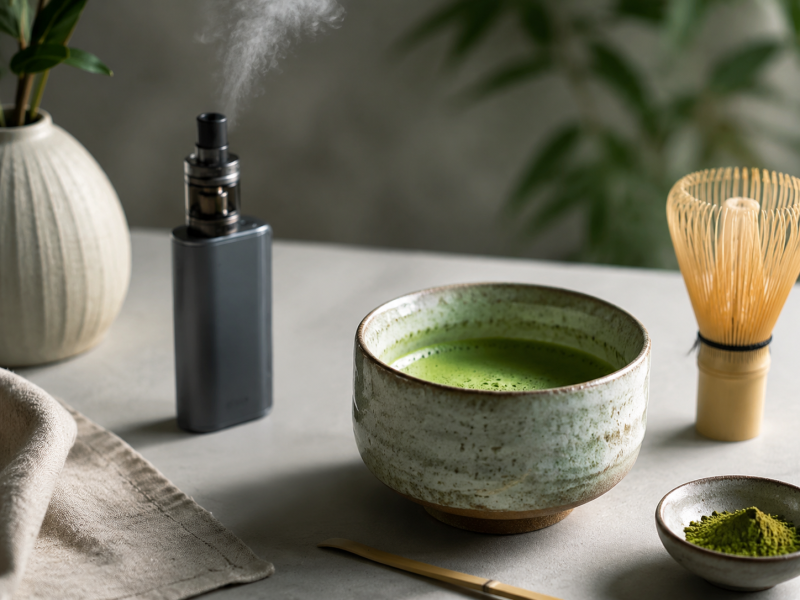
- Ceremonial-grade matcha: Look for a bright green powder with a fine texture. BrewNova Matcha's ceremonial line is a solid choice—it's smooth and forgiving.
- A bamboo whisk (chasen): This is the tool that creates that frothy layer. It's about $10-15 and worth every penny.
- A matcha bowl (chawan): Any wide, shallow bowl works. The shape helps with whisking.
- A sifter: A small mesh strainer to break up clumps before whisking.
- A thermometer (optional): If you're serious about temperature, this helps. But you can also eyeball it.
That's it. No electric frothers, no fancy gadgets. The beauty of matcha is in the hands-on process.
Step-by-Step: Your First Matcha Ritual
- Sift the matcha: Measure about 1-2 teaspoons (2-4 grams) and sift it into your bowl. This prevents lumps.
- Heat your water: Bring water to a boil, then let it cool for a couple of minutes. You want about 175°F (80°C).
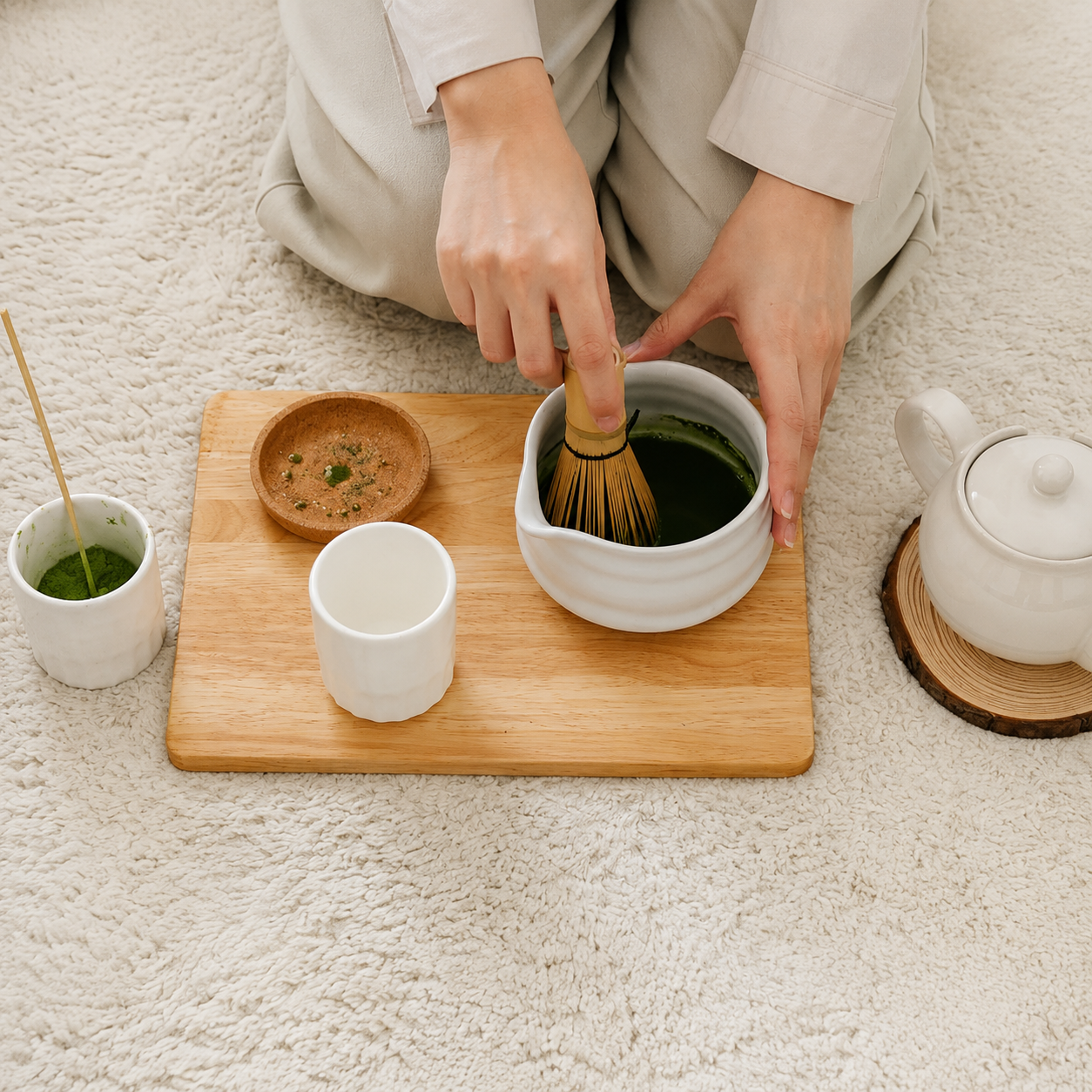
- Add a splash of water: Pour just enough water to cover the matcha. Whisk gently in a zigzag motion to make a paste. This is called 'kneading' the matcha.
- Add the rest of the water: Pour in about 70-80 ml (roughly a third of a cup) total. Whisk briskly in an 'M' or 'W' motion until you see a froth on top. This takes about 15-20 seconds.
- Serve immediately: Matcha is best enjoyed right away. The froth will settle, but that's fine.
That's the whole ritual. It takes less than five minutes, but it feels like a ceremony.
Timing: When to Serve and How to Plan
Timing is everything for a social tea moment. You don't want to whisk matcha an hour ahead—it'll lose its vibrant color and develop a bitter taste. Instead, plan to whisk in batches, right before serving.
If you're hosting a group, here's a trick: pre-measure the matcha into small cups or bowls (one per guest). When it's time, have a kettle of hot water ready, and let each person whisk their own. It's interactive, and it takes the pressure off you to be the sole barista.
Also, consider the rest of your menu. Matcha pairs well with light, subtly sweet snacks—think mochi, shortbread, or fresh fruit. Avoid strong flavors that might overpower the tea.
Storage: Keep That Green Fresh
Matcha is like a diva—it hates light, heat, and moisture. If you store it wrong, you'll end up with dull, bitter powder.
- Airtight container: Transfer your matcha to a small, opaque, airtight tin or jar. The original packaging is often fine, but if it's a resealable bag, press out as much air as possible.
- Cool, dark place: A pantry or cupboard works. Avoid the countertop if it gets sunlight.
- Fridge? Only if you must: If your kitchen runs hot, the fridge is okay, but condensation can be a problem. Let it come to room temperature before opening to prevent moisture buildup.
- Use within six months: Matcha doesn't spoil, but it does lose its freshness. After six months, the color fades and the flavor gets flat. Write the date on the container so you don't forget.
Common Mistakes and How to Avoid Them
You're going to make mistakes—everyone does. Here are the ones I see most often:
- Using boiling water: This is the #1 killer of matcha flavor. It turns bitter and harsh. Always cool your water.
- Skipping the sift: Lumps are the enemy. Sifting takes five seconds and makes a huge difference.
- Whisking too hard or too little: You want a gentle zigzag, not a frenzy. If you whisk too hard, you'll get big bubbles that pop; too soft, and you'll have clumps.
- Storing in the fridge without sealing: If you do use the fridge, make sure the container is absolutely airtight. Otherwise, your matcha will absorb odors and moisture.
Quick Recap Checklist
Before you host your first matcha social moment, run through this:
- [ ] Ceremonial-grade matcha, sifted
- [ ] Water at 175°F (80°C)
- [ ] Bamboo whisk and bowl
- [ ] Pre-measured portions for guests
- [ ] Airtight storage for leftovers
- [ ] Snacks that complement, not overpower
Final Thoughts
Matcha isn't just a drink; it's a way to slow down and connect. The first time you whisk a bowl, you'll understand why it's become a ritual for so many people. And when you share it with friends, it becomes something more—a memory.
So start simple. Grab a tin of BrewNova Matcha, invite a couple of friends over, and give it a try. You'll be surprised how quickly it becomes your new favorite way to catch up.
Disclaimer: This article is for informational purposes only and is intended for adults 21+. Matcha contains caffeine; consume in moderation and consult a healthcare professional if you have any health concerns.
Key Takeaways
- A social tea moment with matcha is about more than just the drink—it's about creating a shared experience. For first-time buyers, the key is to start simple: use quality ceremonial-grade matcha, a bamboo whisk, and a bowl, and focus on the ritual of preparation. Proper storage in an airtight container away from light and heat keeps your matcha fresh for up to six months, ensuring every cup tastes vibrant and smooth.
- Ceremonial-grade matcha is the best choice for first-time buyers because it's smooth and forgiving when whisked correctly.
- The essential tools for a matcha ritual are a bamboo whisk, a bowl, and a sifter—no expensive equipment required.
- Matcha stays fresh for about six months if stored in an airtight container, away from light, heat, and moisture.
- Timing matters: whisk matcha right before serving to preserve its color and flavor, and aim for a water temperature of 175°F (80°C).
- Hosting a matcha social moment is simple—set up a small station with pre-measured portions and let guests customize their sweetness.
Frequently Asked Questions
Q: What is the best type of matcha for a first-time buyer?
Ceremonial-grade matcha is your best bet. It's made from young tea leaves and has a vibrant green color and a smooth, umami-rich flavor that's forgiving when you're learning to whisk. Culinary-grade matcha is more bitter and better for baking, not for drinking straight.
Q: Do I need a bamboo whisk to make matcha?
A bamboo whisk, or chasen, helps create that frothy, smooth texture. You can use a regular whisk or even a milk frother, but a bamboo whisk is traditional and worth the small investment if you plan to make matcha regularly.
Q: How should I store matcha to keep it fresh?
Matcha is sensitive to light, heat, and moisture. Keep it in an airtight container, preferably in a cool, dark place like a pantry. Avoid the fridge unless you live in a very hot climate, and always seal it tightly after each use. Properly stored, matcha stays fresh for about six months.
Q: What water temperature should I use for matcha?
Aim for 175°F (80°C)—just below boiling. Boiling water will scorch the matcha and make it bitter. If you don't have a thermometer, let boiling water sit for a couple of minutes before using it.
Q: Can I host a matcha social moment without a lot of equipment?
Absolutely. You only need a few bowls, a whisk (or two if you have a big group), and pre-measured matcha portions. Set up a small station with hot water, sweetener, and milk options, and let guests whisk their own. It's a fun, interactive way to share the experience.
Sources & Further Reading
- FDA — General food storage guidelines that apply to keeping matcha fresh.
- USDA — For general nutrition and food quality information.
- World Health Organization — For context on healthy beverage choices, though matcha-specific claims are not made here.