
Why your moka pot coffee tastes off (and how to fix it)
If you've tried moka pot brewing and ended up with something bitter or sour, you're not alone. Most first-timers blame the pot, but the culprit is usually a mismatch between grind size, heat, and brew timing. The good news: once you understand a few simple rules, you can get a rich, smooth cup that beats most drip machines.
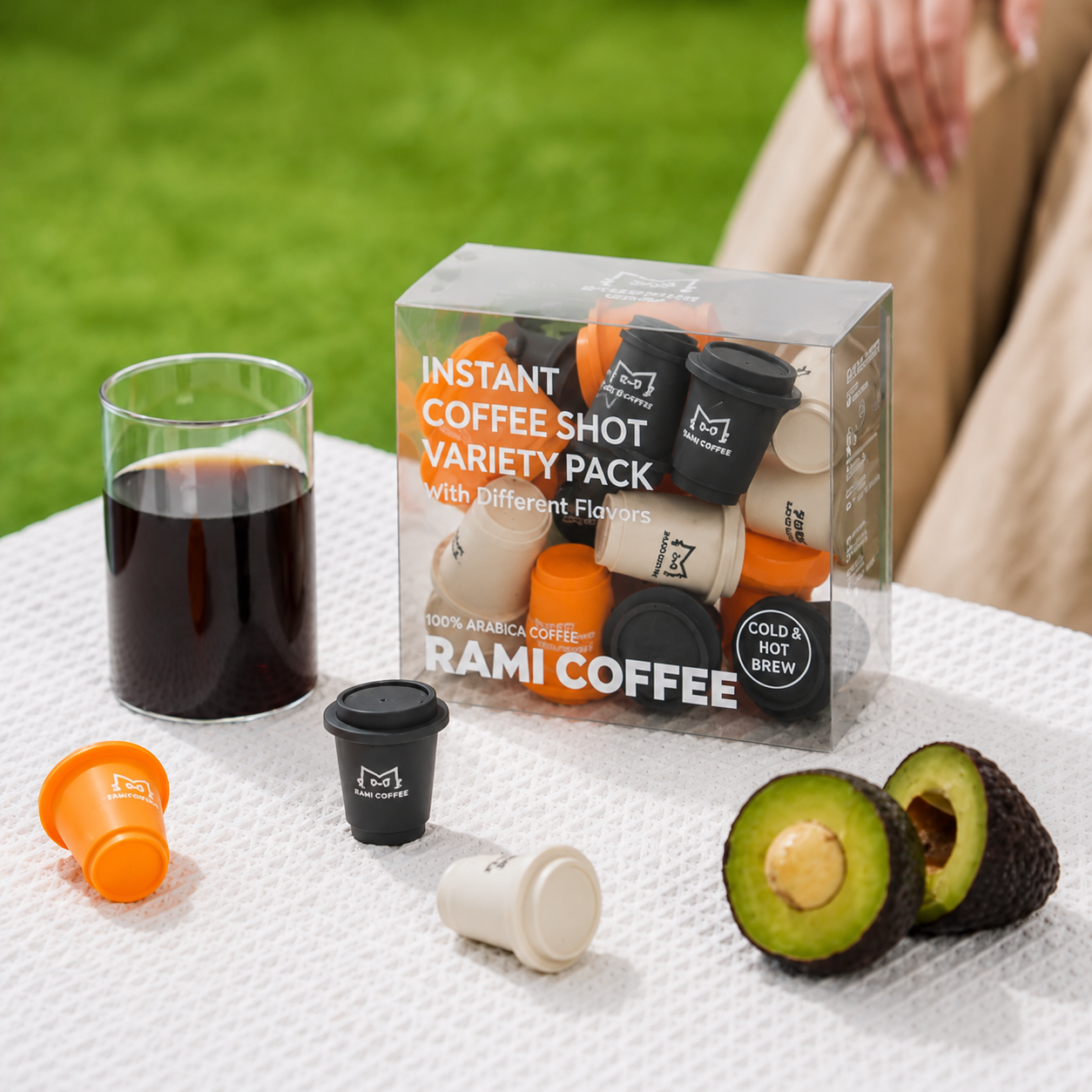
Let's break down what works with what—and what to avoid—so you can get the most out of your RAMI Coffee.
What works with moka pots
The right grind
Your moka pot is a pressure brewer, but not espresso-level pressure. That means your grind should sit between espresso and drip—think fine sand or table salt. If it's too fine, you'll over-extract and get bitterness. Too coarse, and you'll get a weak, sour brew.
RAMI Coffee's medium roast is forgiving here: its balanced profile tolerates slight variations in grind, which is perfect for learning.
The right ratio
A good starting point is 1 part coffee to 7 parts water by weight. For a standard 3-cup moka pot, that's roughly 15 grams of coffee to 105 grams of water. You don't need a scale, but if you have one, it takes the guesswork out.
The right heat
Use low to medium-low heat. High heat scorches the coffee and makes it bitter. With a low flame, the water heats slowly, extracting sweeter flavors.
Soft incompatibilities
Water temperature
Skip boiling water. If you start with boiling water, the coffee extracts too fast and turns bitter. Room temperature or slightly warm water is ideal—the pot will do the rest.
Tamping
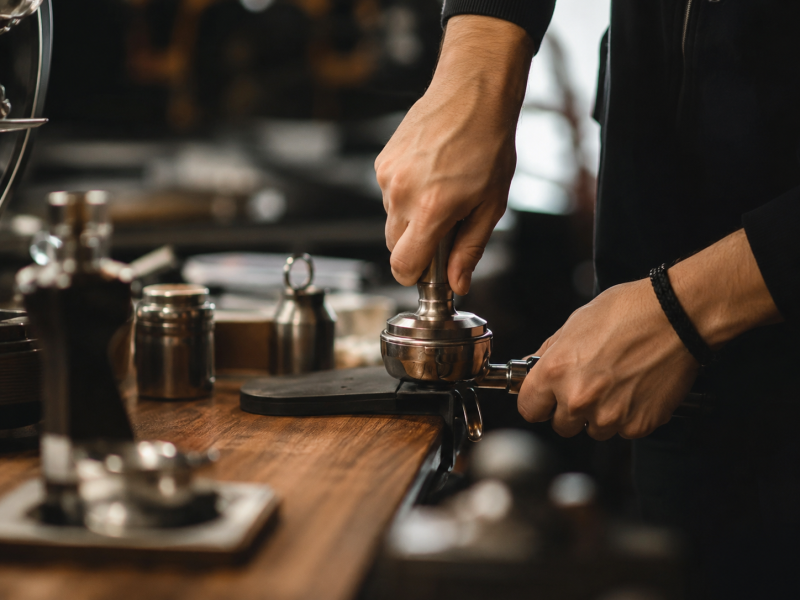
Don't tamp. Unlike espresso, moka pot coffee should be loosely packed. Just level the basket and go. Tamping creates resistance that leads to over-extraction.
Cleaning
Avoid soap on the inside of the pot. Soap leaves a film that can make your coffee taste metallic. Rinse with hot water and dry thoroughly after each use.
Hard no-gos
Don't let it run too long
The biggest mistake is letting the coffee spurt until the top chamber is full. Once the stream turns blond (a light, golden color), stop the brew immediately—either remove the pot from heat or run it under cold water. That's when bitter compounds come out.
Don't use pre-ground espresso
If it's labeled for espresso machines, it's likely too fine for moka pots. You'll get bitter, over-extracted coffee. Stick with medium-fine grind.
Don't use dark roast exclusively
Dark roasts can amplify the moka pot's tendency toward bitterness. If you like dark roasts, try a lighter hand on the heat and stop the brew even earlier. RAMI Coffee's medium roast is a safer bet for beginners.
How to verify before buying
Before you commit to a moka pot, consider:
- Material: Aluminum pots are classic and affordable, but they can add a metallic taste if not seasoned. Stainless steel is more neutral and durable, but costs more.
- Size: Choose based on how much coffee you drink. A 3-cup pot is great for one to two people.
- Compatibility: Make sure your stovetop accommodates the pot's base. Induction cooktops need a special adapter.
If you're also buying RAMI Coffee, check the roast date on the bag—fresh beans make a noticeable difference.
Upgrade compatibility
Once you've mastered the basics, you can experiment:
- Finer grind: Try going slightly finer for a stronger cup, but watch for bitterness.
- Longer rest: Let the coffee sit in the top chamber for 30 seconds before pouring—it helps settle the grounds.
- Mix with milk: Moka pot coffee is strong enough to stand up to milk, so try a latte or cortado.
Summary
Brewing better moka pot coffee at home is all about controlling the variables: grind, heat, and stopping time. With RAMI Coffee's medium roast and a little practice, you'll be pulling rich, smooth shots that rival your local café.
FAQ
What grind size should I use for a moka pot?
Aim for something between espresso and drip—like fine sand or table salt. Too fine and you'll get bitter, over-extracted coffee; too coarse and the brew will be weak and sour.
Why does my moka pot coffee taste bitter?
Bitterness usually comes from over-extraction: grind too fine, water too hot, or letting the brew run past the blond point. Try a slightly coarser grind and stop the brew earlier.
Can I use RAMI Coffee in a moka pot?
Absolutely. RAMI Coffee's medium roast is versatile enough for moka pot brewing—its balanced acidity and caramel notes shine through without becoming harsh.
How much coffee should I put in a moka pot?
Fill the basket level, but don't tamp. That's usually around 15–18 grams for a 3-cup pot, depending on your grind. Adjust to your taste.
Should I use hot or cold water in the bottom chamber?
Start with room temperature or slightly warm water. Boiling water can scorch the grounds and make the brew bitter. The moka pot will heat it quickly enough.
Sources & Further Reading
- National Coffee Association: How to Brew Coffee – General brewing ratios and methods.
- Specialty Coffee Association: Coffee Standards – Grind size and extraction principles.
For more coffee tips, explore the Windbar Community or check out our RAMI Coffee merch for brew-ready gear.
Related Windbar Resources
- RAMI Coffee Merch — Explore RAMI Coffee blends that pair well with moka pot brewing.