

Why packaging matters more than you think
You've probably had this happen: you order a mug for a friend's birthday, it arrives with a chipped handle, and you're left scrambling. That's the first trap—assuming the product photos tell you everything. They don't. The real test is how it's packed, because that determines whether it shows up gift-ready or looking like it survived a war zone.
Gift-ready packaging isn't about fancy ribbons or gold foil. It's about protection and presentation. A rigid box or a padded mailer with inserts keeps the item safe. Tissue wrap or a branded card adds a touch that makes the unwrapping feel special. And if there's room for a note, that's a small sign the brand actually thinks about gifting.
Trap at purchase
The first trap hits before you even click 'buy.' You see a great photo of a ceramic pour-over set and assume it'll arrive in one piece. But scroll down—does the product description mention packaging? Look for terms like 'gift box,' 'padded mailer,' or 'protective insert.' If it's vague, ask customer service. Seriously, a quick email can save you a headache.
Another purchase-time trap is ignoring the return policy. Gifts sometimes need swapping—maybe the size is off or they already have that design. If the policy is restrictive or unclear, that's a red flag. You want a brand that stands behind their packaging and their product.
Trap in first week
The second trap lurks in the first week after delivery. You're excited, you tear into the box, and… it's crushed. Or the mug is fine, but the box looks like it was used as a soccer ball. That's a packaging failure, not just bad luck.
Here's what to look for when it arrives: structural integrity. If the outer box is crushed but the inner packaging held, that's actually a good sign—they used enough protection. But if the product itself is damaged, take photos and contact support immediately. Most reputable brands will make it right, but you need to document it.
Also, don't overlook the unboxing experience. If the item is wrapped in tissue or has a small card, that's a nice touch. It means the brand cares about the moment of opening, which is exactly what you want for a gift.
Trap after they feel confident
The third trap sneaks up after you've bought one thing successfully. You think, 'Oh, this brand ships well, I'll get the glass tumbler too.' But here's the thing: packaging can vary by product. A shirt might come in a poly mailer, while a glass item needs a box. Don't assume—check the product page or ask.
Another confidence trap is ignoring the small stuff. You might buy a bag of beans and a mug, and the beans arrive with a crushed bag because they were tossed in with the heavier item. That's a packaging design flaw. Look for brands that separate items or use dividers.
Escape routes
If you're already mid-purchase and realize the packaging might be weak, here's what to do:
- Ask before you buy: Message customer service with 'How is this item packaged for shipping?' If they don't give a clear answer, that's a sign.
- Check reviews for packaging mentions: Search 'packaging' or 'arrived damaged' in the reviews. People will tell you.
- Choose gift-ready options: Look for items that explicitly say 'gift box' or 'comes in a rigid box.'
- Buy from brands with solid return policies: If it arrives damaged, you want an easy path to a replacement.
Mentor-style shortcuts
Here's what a seasoned buyer would tell you:
- If you're gifting a mug, pick one from a brand that uses a rigid box with a molded insert. It's the safest bet.
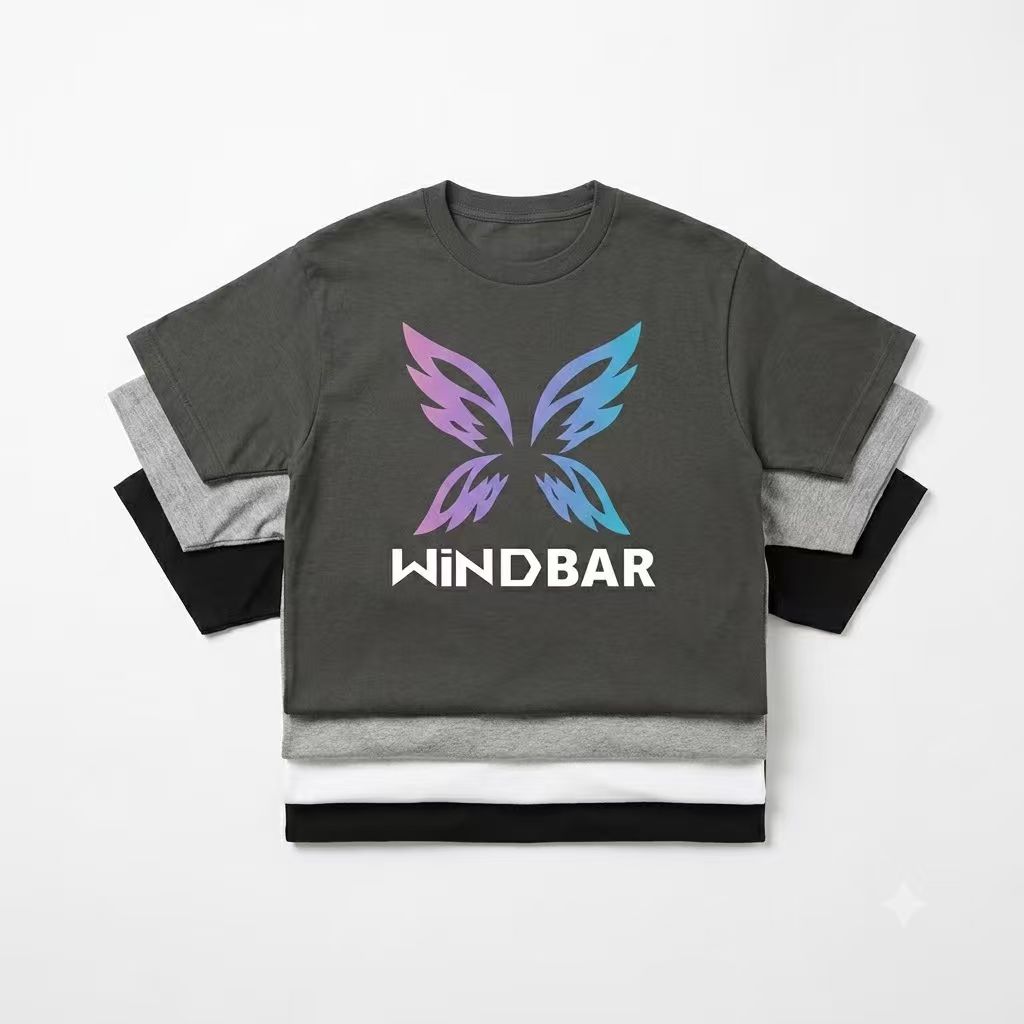
- For soft goods like t-shirts or totes, a poly mailer is fine—but check that the fabric isn't wrinkled beyond saving.
- Always include a note. Even if the packaging doesn't have a card slot, a small handwritten note taped to the inside of the lid makes it personal.
And one more thing: don't judge a brand solely on packaging. Some of the best coffee merch comes in minimal, recycled packaging that's still protective. It's okay to trade a little flash for sustainability, as long as the item arrives safe.
Sources & Further Reading
For more on what to expect from product packaging, the Federal Trade Commission offers general consumer guidance on packaging claims and labeling (ftc.gov). It's not coffee-specific, but it helps you spot when a brand is overpromising on 'gift-ready.'
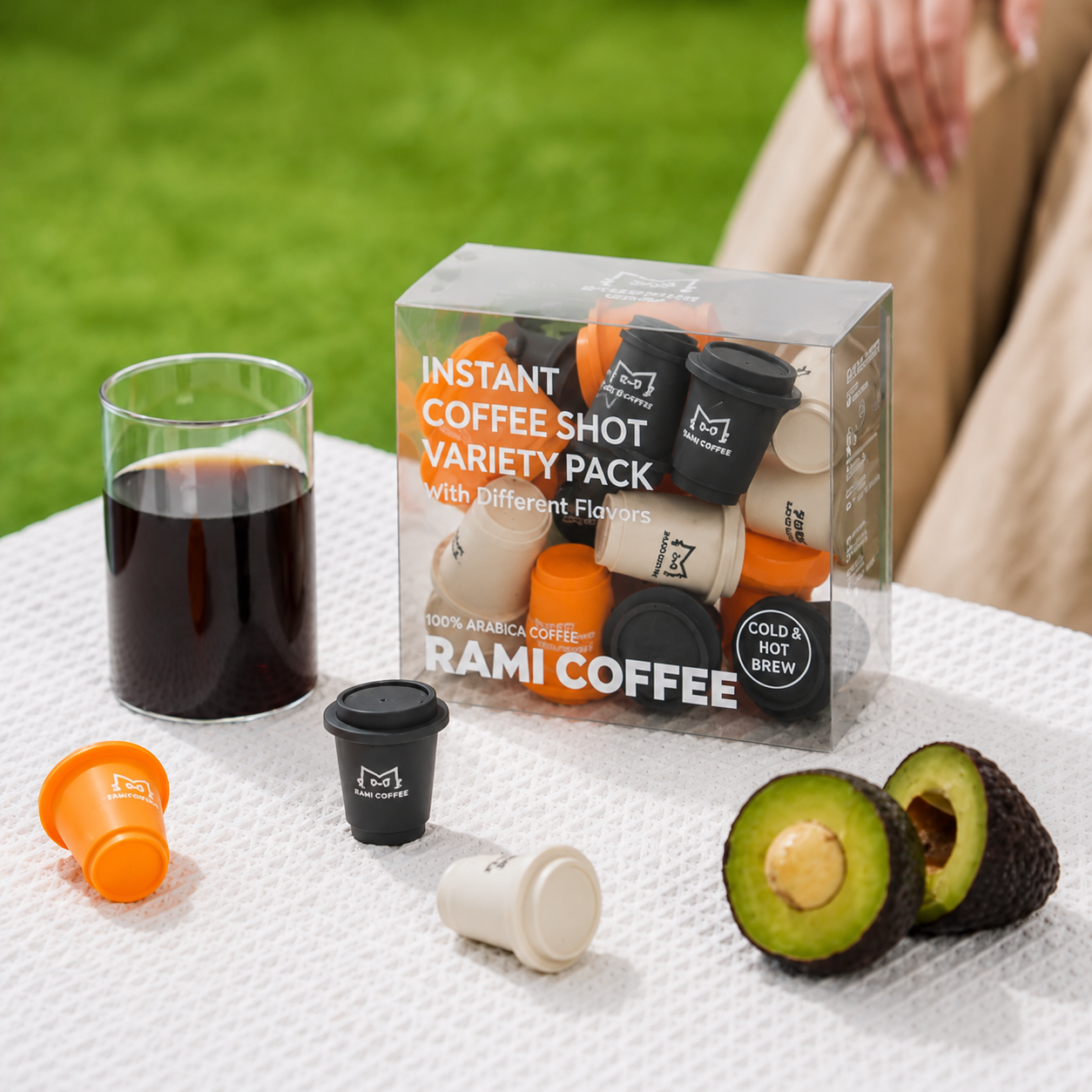
If you're shopping for specialty coffee merch yourself, check out the RAMI Coffee collection to see how a dedicated coffee brand handles packaging—every item is designed with gifting in mind, from rigid boxes to note-ready inserts.
Trap map
- First-time buyers of specialty coffee merch often overlook packaging until it arrives damaged or underwhelming. Look for structural integrity—rigid boxes or padded mailers—and small touches like tissue wrap or a branded card that signal care. A mug or tumbler can survive shipping, but the experience of unwrapping is what makes it gift-ready.
- Rigid boxes or padded mailers beat flimsy poly bags for gift-ready coffee merch.
- Check for protective inserts—crushed corners often mean the box was packed without care.
- Look for a note-ready insert or space for a handwritten card; it's a small sign the brand thinks about gifting.
- Return policies matter more than you think—gifts sometimes need swapping.
- If the brand uses recyclable or minimal packaging, it's a bonus—not a dealbreaker.