
First Glance (10 Seconds)
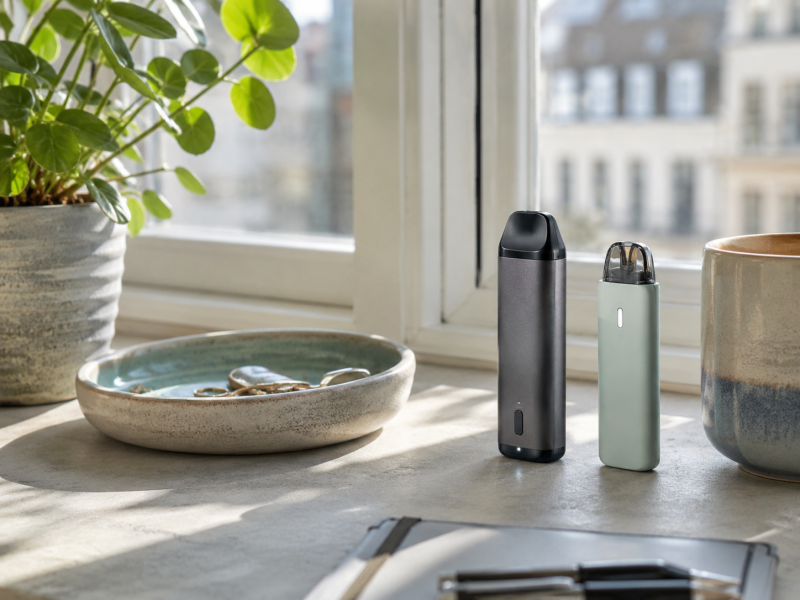
Walk into any shop and you’ll see two distinct families on the shelf. On one side, dual-mesh devices—usually slightly longer, with a visible tank or chamber. On the other, pod-style units—compact, almost credit-card-thin, with a magnetic pod that clicks in.
The first question isn't which looks cooler. It's: what does your commute actually look like? If you're on a train for 40 minutes, you might want something that can deliver a satisfying session without constant topping up. If you're driving and just need a quick hit at a rest stop, a pod device might be all you need.
At a glance, dual-mesh hardware often has adjustable airflow and a larger battery, while pods prioritize simplicity. Neither is “better” in the abstract—but one will fit your daily pattern more closely.
Specs Worth Reading
Battery capacity: Look at mAh. A 400 mAh pod device might last a day for light use; a dual-mesh with 800 mAh could get you through two days. Think about when you can charge—if you're at a desk, a smaller battery is fine. If you're on the road, bigger is better.
Refill method: Pods are usually sealed or clip-in; dual-mesh often has a top-fill tank. Sealed pods are mess-free but you'll need to carry spares. Tanks are easier to refill on the go if you carry a small bottle.
Airflow control: Dual-mesh devices often have a slider or ring. That's useful if you like adjusting draw resistance. Pods usually have a fixed draw—simpler, but less customizable.
Heating element: Dual-mesh means two mesh screens that heat evenly. That can produce thicker vapor, but it also draws more power. Pods typically use a simple coil, which is efficient but may not give the same cloud density.
Specs to Ignore
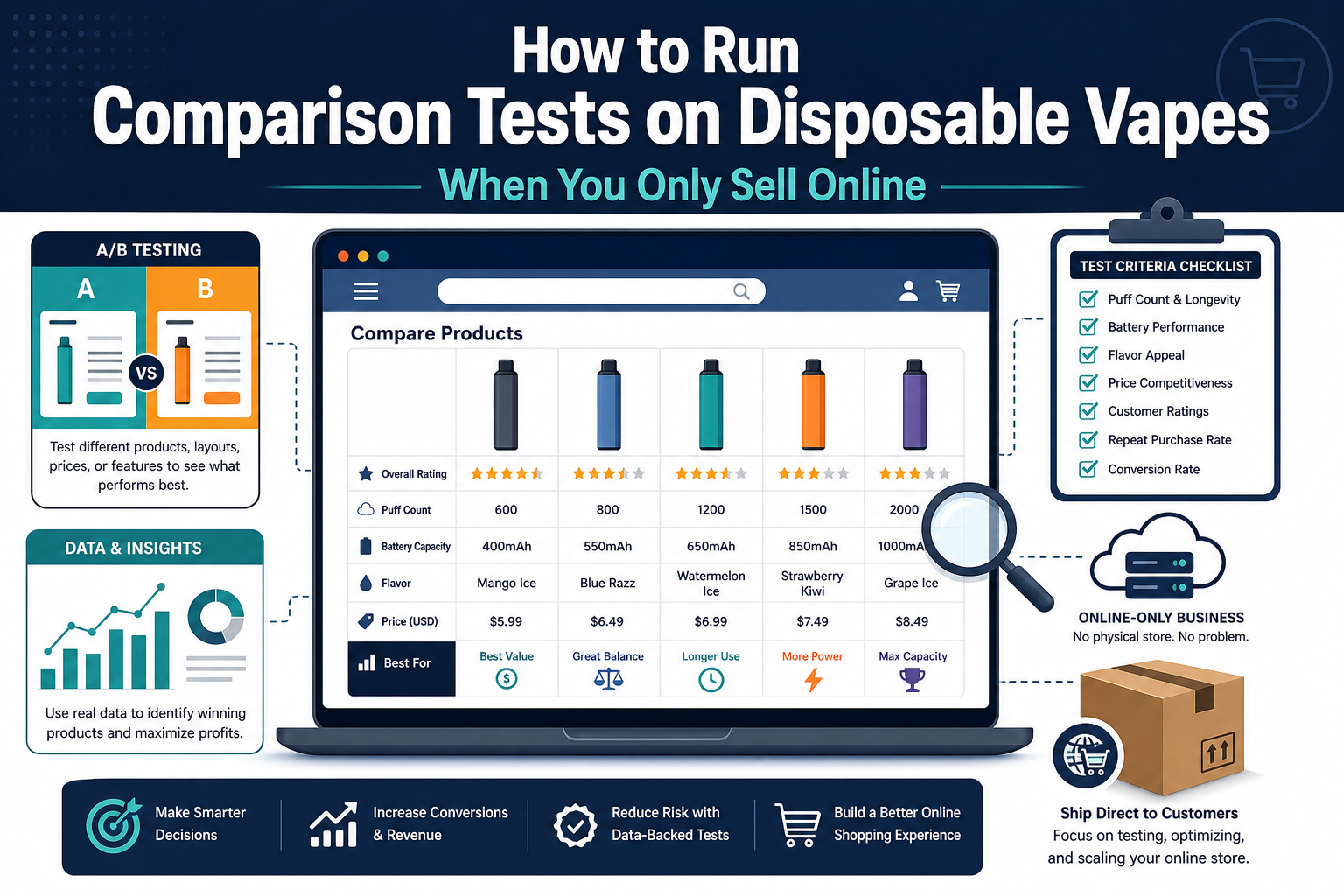
Puff count estimates: Manufacturers list “puffs per charge” but that depends on how long you inhale. Ignore the number; focus on battery mAh and your actual usage.
Mesh material marketing: Some say “ceramic mesh” or “quartz” but in practice, the difference is subtle for most users. Don’t pay extra unless you’re a flavor chaser.
LED lights and displays: They look cool but don’t affect performance. A simple battery light is enough.
Weight: Unless you’re hiking, a few grams difference won't matter.
Questions for Staff
When you're at the counter, ask these:
- “How do I refill this without making a mess?”
- “Does the pod leak if I keep it in my pocket?”
- “How long does the battery actually last with moderate use?”
- “Are there spare pods/tanks available, and how much do they cost?”
- “Can I adjust airflow, or is it fixed?”
Real staff will give you straight answers. If they dodge, be cautious.
Checkout Decision
Before you pay, hold the device in your hand. Does it feel secure? Does it fit in your pocket? Is the fill port easy to access?
Consider your commute: The train/bus rider might prefer a dual-mesh for longer sessions. The driver might lean toward a pod for quick hits. The walker? Either works, but a pod is lighter to carry.
Think about maintenance: Pods are replaceable, so you just swap. Tank devices need cleaning every few fills—are you willing to do that?
Finally, check the brand's warranty and support. If it breaks in a month, you want a company that will replace it.
No single choice works for everyone. Pick the one that matches your daily routine, not the one with the flashiest ad. And if you're still torn, ask a friend who commutes the same way you do.
Remember, laws and product availability vary by region, so always check local regulations before buying. This is hardware guidance, not legal advice.
Related Windbar Guides
- Storing Your CBD Vaporizer Hardware: A Traveler’s Guide to Keeping Gear Safe
- Is Refillable-Compatible Pod Hardware Worth It? A Seasonal Shopper's Stress Test
Save useful guides
Create a free account to save your favorite hardware comparisons and get notified when new commuter-friendly gear lands.