
Is the upgrade worth it?
If you run a small shop, every product choice is a bet. You're betting that the ceremonial grade's vivid green and smooth sip will pull in customers, or that culinary's lower price per serving will fatten your margin. In hot weather, that bet gets riskier: iced drinks dilute flavor, ice melts, and the last thing you want is a bitter cup that sends someone away.
Here's how to run the numbers for your own shop, not as a marketing pitch but as a real value equation.
Outcomes that count
What does each grade actually deliver when the temperature climbs?
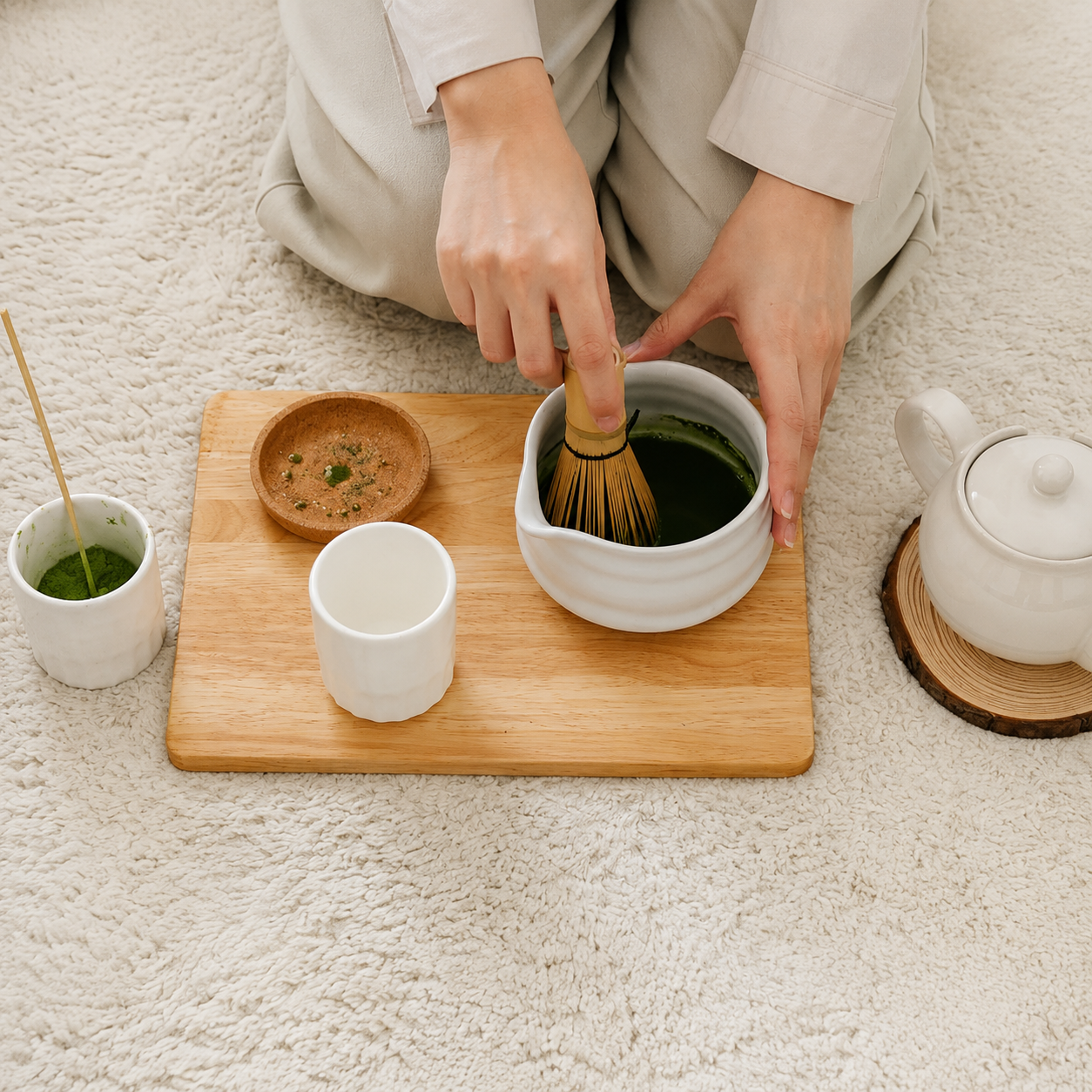
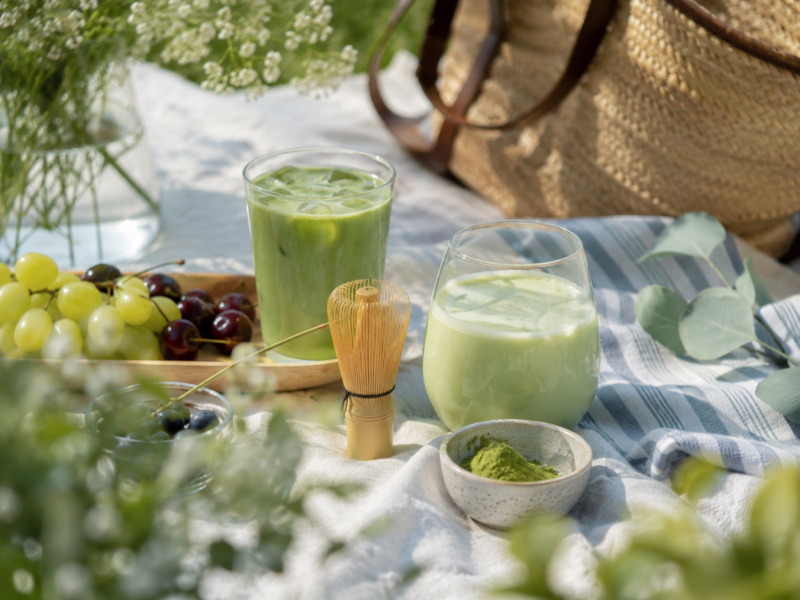
Ceremonial grade gives you that bright, almost neon green color that photographs well and screams premium. The flavor is delicate: sweet, grassy, with a natural umami that doesn't need sugar. In an iced latte, it stays smooth and refreshing. If you're doing a traditional whisk-and-serve ritual, the fine powder dissolves cleanly, leaving no grit.
Culinary grade is darker, more astringent, and a bit bitter. That sounds bad, but in a blended drink with milk and vanilla syrup, the bitterness cuts through the sweetness. It's also more forgiving: over-whisk it, and it won't turn as muddy as ceremonial can. For food—think matcha brownies or ice cream—culinary is the standard because the flavor survives baking.
So the outcome you're buying is not just taste. It's color, mouthfeel, and the story you tell your customers. Ceremonial tells a story; culinary tells a price point.
Hassle people forget
Matcha is fussy, especially in summer. Ceremonial grade needs cool water (around 160°F) to avoid scorching. In a busy shop, that's an extra step. Culinary grade is more tolerant: even if your water's a bit hot, it won't ruin the batch.
Storage is another hidden hassle. Heat and humidity degrade matcha quickly. Ceremonial's delicate flavor fades faster—you'll need smaller tins and tighter inventory turnover. Culinary holds up better, so you can buy in bulk and not worry about oxidation.
Then there's prep. Ceremonial requires sifting to avoid clumps. Culinary can go straight into a blender or shaker. If you're making 50 iced drinks a day, that sifting step adds up.
Cost beyond sticker price
Price per gram is the obvious number. Ceremonial runs anywhere from $1.50 to $3 per gram; culinary sits around $0.50 to $1. But the real cost is per serving.
A typical iced latte uses 1 to 2 grams of matcha. At ceremonial pricing, that's $1.50 to $6 per drink just for the powder. Culinary cuts that to $0.50 to $2. If you're selling a $5 drink, the margin difference is significant.
But there's a hidden cost: waste. Ceremonial's shorter shelf life means you might toss half a tin if you don't move it fast. Culinary's longer life means less spoilage. Also, if you use ceremonial and it tastes off because of heat exposure, you'll end up remaking drinks—that's labor cost.
Don't forget the cost of presentation. If you're serving in a clear glass to show that green layer, ceremonial's color is worth the premium. If it's going in a brown cup with a straw, no one sees it.
Worked examples
Let's run two shop scenarios.
Scenario A: The coffee shop adding matcha. You already have a syrup-forward menu. Customers expect sweet, creamy drinks. Culinary grade makes sense: it's cheap, forgiving, and the bitter notes get masked by caramel or vanilla. You can even offer a matcha lemonade with culinary because the citrus balances it.
Scenario B: The specialty tea bar. Your customers come for the ritual. They watch you whisk, they ask about origin. Ceremonial grade is your identity. You'd lose that tea-nerd credibility if you switched to culinary. The higher cost is baked into your $8 price tag.
Now, what about a hybrid approach? Many shops offer both: a ceremonial-based premium latte and a culinary-based value option or food item. That way you capture both segments without betting everything on one grade.
When value flips negative
Here's where the equation breaks down.
If you buy ceremonial grade but your baristas don't sift it, or your water is too hot, you'll serve a bitter, clumpy drink—and the premium price buys you nothing. The hassle outweighs the outcome.
If you buy culinary grade but your menu is minimalist—just matcha, milk, no flavors—the bitterness will turn customers off. You'll save money per serving but lose repeat business.
Also watch the weather. In extreme heat, matcha oxidizes faster. If you can't keep your storage cool, even culinary will taste stale. That's a cost no grade can avoid.
Takeaway: value flips negative when you mismatched grade to your operation. Don't buy ceremonial because it's "better"—buy it because you can honor its ritual. Don't buy culinary just for the savings—buy it because your menu hides its edges.
The bottom line
There's no universal winner. Ceremonial gives you a stunning, smooth cup that justifies a premium price if you can deliver it fresh. Culinary gives you a practical, affordable base that works in cold drinks and food. Calculate your own equation: what outcomes matter, what hassle you can absorb, what cost your customers will bear.
And if you're still unsure, start small. Order a sample of both, run a weekend special, and watch which one sells out. Your customers will tell you.
Disclaimer: Prices are estimates based on typical market ranges; actual costs vary by supplier. Always verify storage guidelines with your vendor.
Value math
- For small shop owners, the ceremonial vs culinary matcha choice hinges on your service style: ceremonial offers vibrant, smooth flavor ideal for premium drinks and ritual presentation, while culinary's robust, slightly bitter profile suits iced blends and baked goods. Cost per serving drops dramatically with culinary grade, but the flavor ceiling is lower. Match your grade to your menu, not the hype.
- Ceremonial grade wins on color, smoothness, and ritual appeal — but it's pricey for iced drinks.
- Culinary grade holds up in blended drinks and food, with a bitter edge that some customers love.
- Your value equation: outcomes (taste, presentation) minus hassle (prep, storage) minus cost (per serving).
Sources & Further Reading
- USDA Matcha Nutritional Data — General reference for matcha composition, not a direct comparison.
- National Coffee Association — Context on beverage trends, but not matcha-specific.