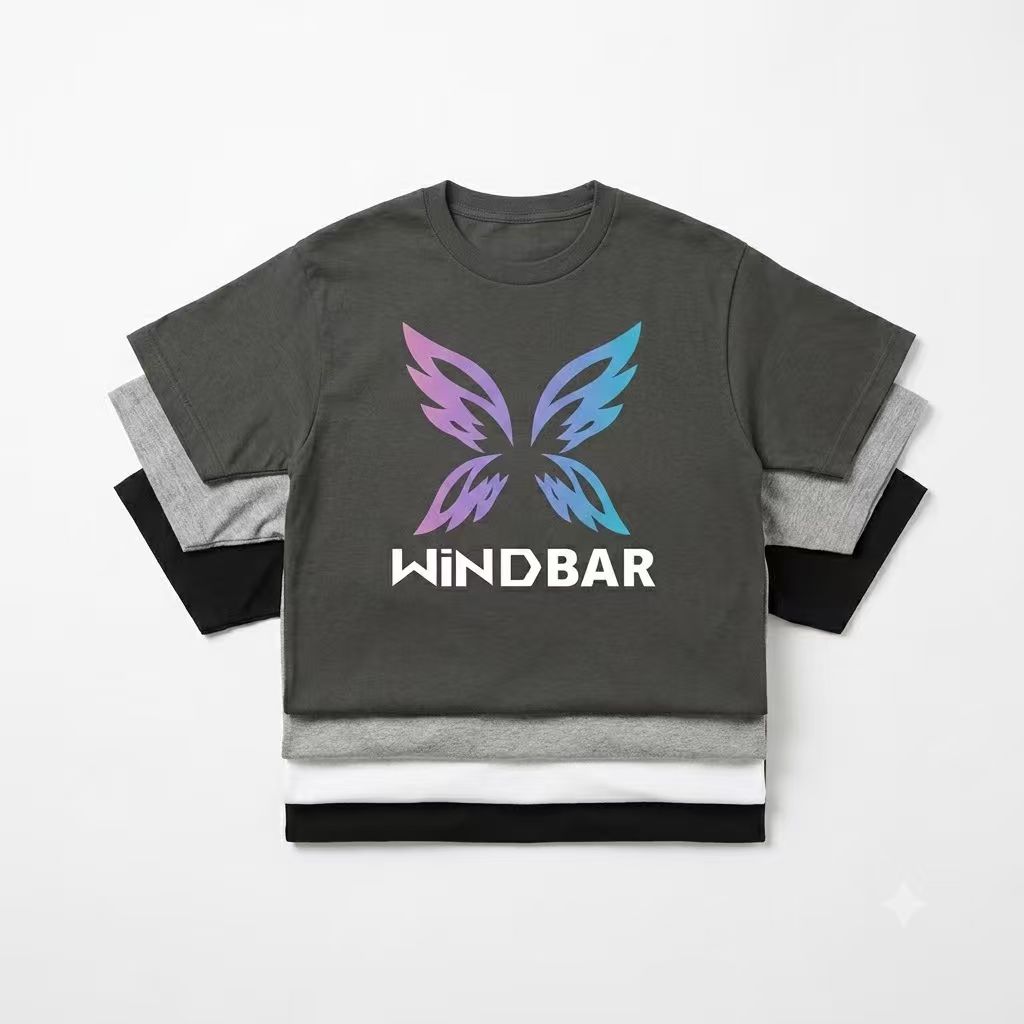

Repair bucket
Got a small tear at the seam? A loose thread? That's repairable. A little hand-stitching or a quick tailor visit can extend the life of your tee, especially if the fabric itself is still solid. Check the GSM first: if it's a heavy, high-GSM tee that you love for its drape, it might be worth saving.
But don't repair just for nostalgia. If the fabric is pilling or thinning, sewing won't fix that. Look for holes, stretched collar, or faded print—those are signs the material is done, not just the stitching.
Replace bucket
This is the sweet spot: the tee is still comfortable, but maybe it's a bit faded or the fit has changed. In Florida, you might want to swap a heavy GSM for a lighter one. If your current tee is 180 GSM and you're always hot, replacing it with a 150 GSM version can make a real difference.
Consider what you're using it for. If it's for lounging at home, a lighter weight feels airy. If you're going out and want structure, keep a heavier one for the evenings. The point is to match the fabric weight to your environment and needs.
Retire bucket
When do you call it quits? If the tee has permanent stains, holes in the middle, or the fabric has lost its shape, it's time to retire it. In Florida's humidity, you'll also notice that once a tee starts to smell even after washing, that's a sign the fibers have broken down.
Retiring doesn't mean you have to throw it away. Repurpose it as a cleaning rag or donate it if it's still wearable. But for your wardrobe, let it go. Holding on to a tee that's past its prime just adds clutter to your drawer.
Decision worksheet
Here's a simple way to decide:
- What's the damage? Small hole or seam issue? Repair. Fading or stretching? Replace. Stains or holes in the middle? Retire.
- What's the GSM? If it's high and you're always hot, replace with a lower GSM. If it's low and you want more structure, replace with a higher GSM.
- How often do you wear it? If it's a favorite, invest in repair. If it's been months since you wore it, maybe it's time to retire.
Emotional sunk-cost trap
The hardest part is letting go of merch you've had for years. You might think, 'I paid $30 for this, I should use it.' But keeping a tee that doesn't serve you just because you bought it is a sunk-cost trap. Your comfort matters more than the original price.
Think about how much you'd pay for a new tee that fits better and feels right for Florida. Sometimes, replacing is the smarter move. And with Windbar's consistent quality, you know what you're getting.
Bottom line
Deciding whether to repair, replace, or retire your Windbar tee in Florida comes down to fabric weight and condition. Use GSM as a guide: lighter is better for the heat, heavier for structure. And don't let nostalgia keep you in a tee that's past its best days.
If you're still unsure, ask the Windbar Community—they've been through the same thing. And if you're ready to shop, check the GSM on the product page before you buy. Your future self will thank you when you're not sweating through a thick tee in August.
Three buckets
- When deciding what to do with an aging Windbar tee in Florida, the GSM (grams per square meter) tells you a lot about its weight and warmth. Higher GSM means thicker, more durable fabric, but in a hot climate, that might not be what you want. The choice to repair, replace, or retire depends on both the fabric's condition and how it fits your current needs.
- GSM affects comfort in Florida's heat: lighter (around 150) is better for airflow, heavier (180+) offers structure but can feel hot.
- Repair if it's a small hole or seam issue and you love the fit; replace if the fabric is still good but faded or stretched; retire if it's beyond saving.
- Use the care label to find your tee's GSM—if it's worn off, you can estimate by feel or check the product page for your next purchase.
Sources & Further Reading
- Fabric GSM standards — Explains how GSM is measured and what different weights mean for clothing.
Bucket FAQs
Q: What is GSM in t-shirts?
GSM stands for grams per square meter, a measure of fabric weight. Lower GSM (like 150) is lighter and more breathable, while higher GSM (like 200) is thicker and more durable.
Q: What GSM is best for hot weather?
For Florida's heat, look for a lower GSM, around 150, to keep you cooler. If you prefer a heavier feel, you might go up to 180, but you'll likely sweat more.
Q: How do I find the GSM of my Windbar tee?
Check the care label inside the collar; it usually lists fabric weight. If it's faded, you can estimate by the fabric's thickness and feel, or look up the product page online.
Q: Can a high-GSM tee still be comfortable in Florida?
It can be if you're in air conditioning or prefer a structured look, but for outdoor wear, it might feel heavy. Some people like the weight for a premium feel, but breathability suffers.
Ask other readers
Join the Windbar Community to share your own tees-in-Florida stories and see how others handle the heat—you might pick up a few tricks.