
Myth stack 1: 'Boiling water is fine'
One of the quickest ways to ruin a bowl of matcha is to treat it like black tea. Boiling water scorches the delicate leaves, releasing excess bitterness and astringency. You want water that's just off the boil—around 160–175°F (70–80°C). If you don't have a thermometer, let a full kettle sit for two to three minutes after boiling. The difference in sweetness is dramatic.
Myth stack 2: 'Whisk in circles like a pro'
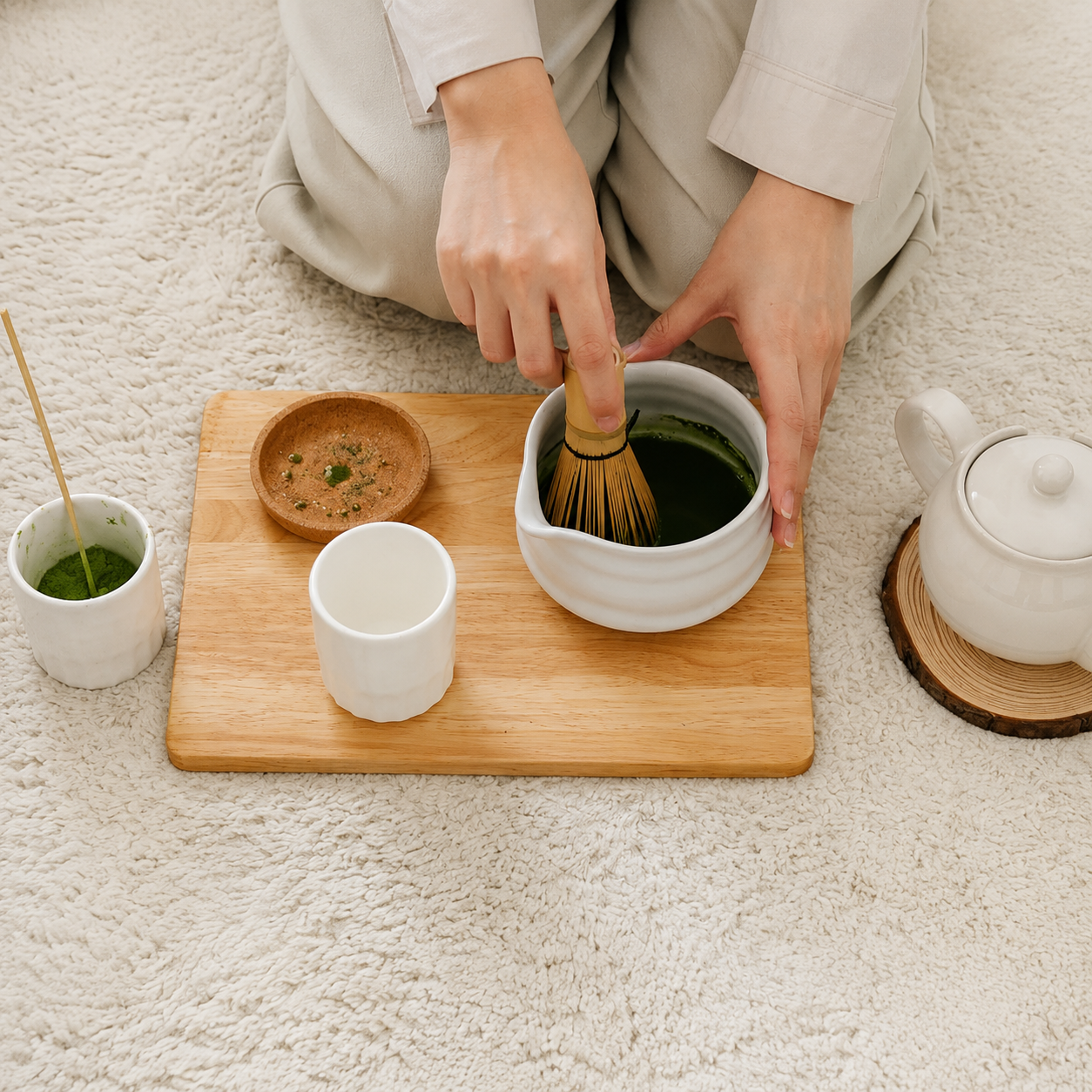
Circles are for lattes; matcha needs a zigzag. A circular motion pushes the powder into clumps and leaves you with a streaky, bitter brew. The classic 'W' or 'M' motion pulls the liquid back and forth, aerating it and creating a smooth, frothy suspension. Keep the chasen just above the bottom of the bowl, and don't be shy—you want vigorous movement for about 20 seconds.
Myth stack 3: 'More matcha = more flavor'
It's tempting to heap the spoon, but matcha is concentrated. The standard ratio for a thin (usucha) bowl is about 2 grams (a heaping half teaspoon) to 70ml of water. Double the powder and you'll overwhelm the balance with bitterness and a chalky mouthfeel. Start small and adjust to taste—you can always add more, but you can't take it out.
Myth stack 4: 'Foam is just for show'
The froth isn't decoration; it's a sign that the matcha is properly emulsified. A thin layer of fine bubbles means the powders is fully dissolved and the flavors are integrated. If you get big bubbles or no foam at all, you're likely whisking too gently or your chasen is past its prime. A broken or bent chasen can't create the micro-foam that makes matcha taste creamy and sweet.
The pattern behind the myths
The pattern here is that bitterness doesn't come from bad matcha—it comes from how you treat it. Heat, agitation, and proportions all work together. Once you control those three, even a mid-priced matcha will taste noticeably better. And when you're shopping for a gift, don't assume the most expensive chasen makes up for shaky technique. A decent bamboo whisk (80–120 prongs) is all you need; the skill is in the wrist.
If you're still getting a harsh cup after fixing these, check your water quality. Hard tap water can add off-flavors. Filtered or bottled water is a cheap fix. And don't forget to sift your matcha before whisking—it breaks up clumps and makes the process foolproof.
For a deeper dive into seasonal prep, check out our guide on hot vs. iced matcha. And if you're looking for a new chasen or premium matcha, browse the BrewNova collection. What's your biggest matcha mishap? Share your stories in the Windbar community—we're all learning together.
Myth pattern
- Water temperature should be 160–175°F (70–80°C), never boiling.
- Whisk in a zigzag (W) motion, not circular, to avoid clumps.
- Use 2g (about ½ tsp) of matcha per 70ml of water.
- Pre-sift or rub the matcha to break clumps before whisking.
- Replace your chasen when prongs are bent or broken—it affects aeration.