
Why This Happens on the Road
You're not imagining it—your French press tastes worse in a hotel room or Airbnb. Travel setups lose control. Kettles boil and shut off; there's no thermometer. Your hand grinder might be a budget model that produces a cloud of fine dust alongside the coarse chunks. Water chemistry changes by city. And you're probably rushing, so the steep runs long.
Over-extraction means you've pulled too many bitter compounds out of the beans. The coffee tastes dry, sharp, and hollow—not strong, just harsh. The fix isn't to use less coffee. It's to control the extraction window.
What You Need to Check Before You Brew
- A grinder—even a cheap hand grinder works if you can set it coarse.
- A scale—travel scales are small and cheap; don't rely on scoops.
- A timer—your phone works.
- Water—filtered if you can get it, but tap is fine once you adjust.
If you're missing any of these, you're flying blind. A scale is the single biggest upgrade you can make to a travel brew.
Step-by-Step Fix for Over-Extracted French Press
- Grind coarser. Aim for sea salt texture. If your grinder has steps, go one or two clicks coarser than you'd use at home. If you see mud at the bottom of your cup, you're still too fine.
- Measure your coffee. Use 30 grams of coffee to 450 ml of water—that's a 1:15 ratio. Weigh the beans, not the volume. A kitchen scoop is wildly inconsistent.
- Heat water to just off boiling. Let it sit 30–60 seconds after the kettle clicks off. If you have a thermometer, aim for 195–205°F. No thermometer? Wait until the water stops roaring.
- Steep for exactly 3:30. Set a timer, don't guess. Longer doesn't mean stronger—it means bitter.
- Press and pour immediately. Leaving the plunger down while you chat lets extraction continue. Get it into your mug (or thermos) fast.
That's the whole procedure. It's five steps, and each one attacks a specific cause of over-extraction.
Success Criteria: How to Know It Worked
Your cup should taste balanced—not sharp, not sour. There's a sweetness that comes through, and the bitterness is a background note, not a slap. If you're still getting harshness, check these:
- Are there fines in the cup? A silty bottom means your grinder is producing dust. Try shaking the grounds through a fine sieve before steeping.
- Is your water too hot? Wait a full 60 seconds after boiling.
- Are you using dark-roast beans? Dark roasts extract faster; go even coarser and drop the steep to 3 minutes.
One more thing: don't chase perfection with a blade grinder. If you're using one of those spinning-blade models, the grind is uneven by design. You'll fix over-extraction, but you'll still get a muddy cup. Consider a cheap burr grinder for travel—it's worth the weight.
Exceptions and When to Give Up
Sometimes it's not you—it's the coffee. If you're using pre-ground supermarket coffee, it's ground for drip, not French press, and it'll over-extract no matter what you do. Buy whole beans and grind them yourself.
And if you've done all this and it still tastes like ash, check your water. Super-soft or super-hard water can throw off extraction. Try bottled water once to see if that's the culprit.
If you're still getting bitter cups after two or three attempts, stop fiddling and switch to a pour-over or an AeroPress for that trip. French press is forgiving, but only up to a point.
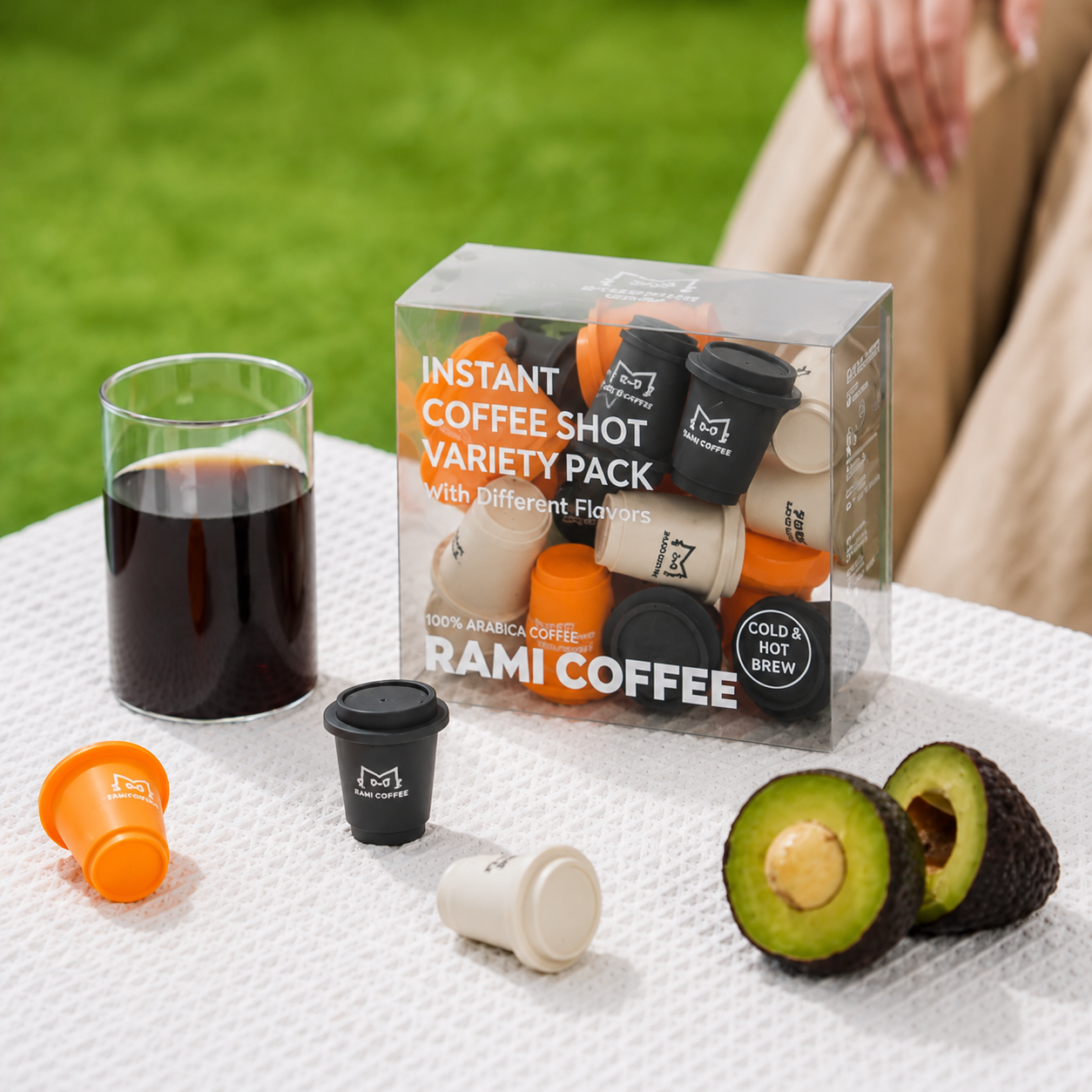
A final note: if you're traveling with RAMI coffee merch—say, a branded travel press—the same rules apply. The gear doesn't change the chemistry. It's the grind, the time, the ratio, and the water.
If you've got a travel brewing hack that works, or one that failed spectacularly, share it in the Windbar Community. That's where the real-world fixes live.
Ops FAQs
Q: Why does my French press taste bitter when I travel?
Usually because the grind is too fine, the brew time is too long, or the water is hotter than your home kettle. Travel grinders often produce uneven particles, so you end up with more surface area and faster extraction.
Q: What grind size should I use for French press while traveling?
Go coarser than you think—about the size of coarse sea salt. If your travel grinder only has a few settings, pick the coarsest one and adjust down if the coffee tastes weak or sour.
Q: How long should I steep French press coffee?
Three to four minutes is the sweet spot for most travel brews. Beyond that, you're pulling out bitter compounds, especially if your water is still near boiling.
Q: Can I fix over-extracted coffee after it's brewed?
You can soften it by adding a splash of hot water or a pinch of salt, but it won't truly fix the flavor. Better to adjust your next brew—it's cheaper and tastes cleaner.
Related Windbar Resources
- Windbar Community — Share your travel brew setup and get quick fixes from other coffee folks.