

What does the number on your tee actually say?
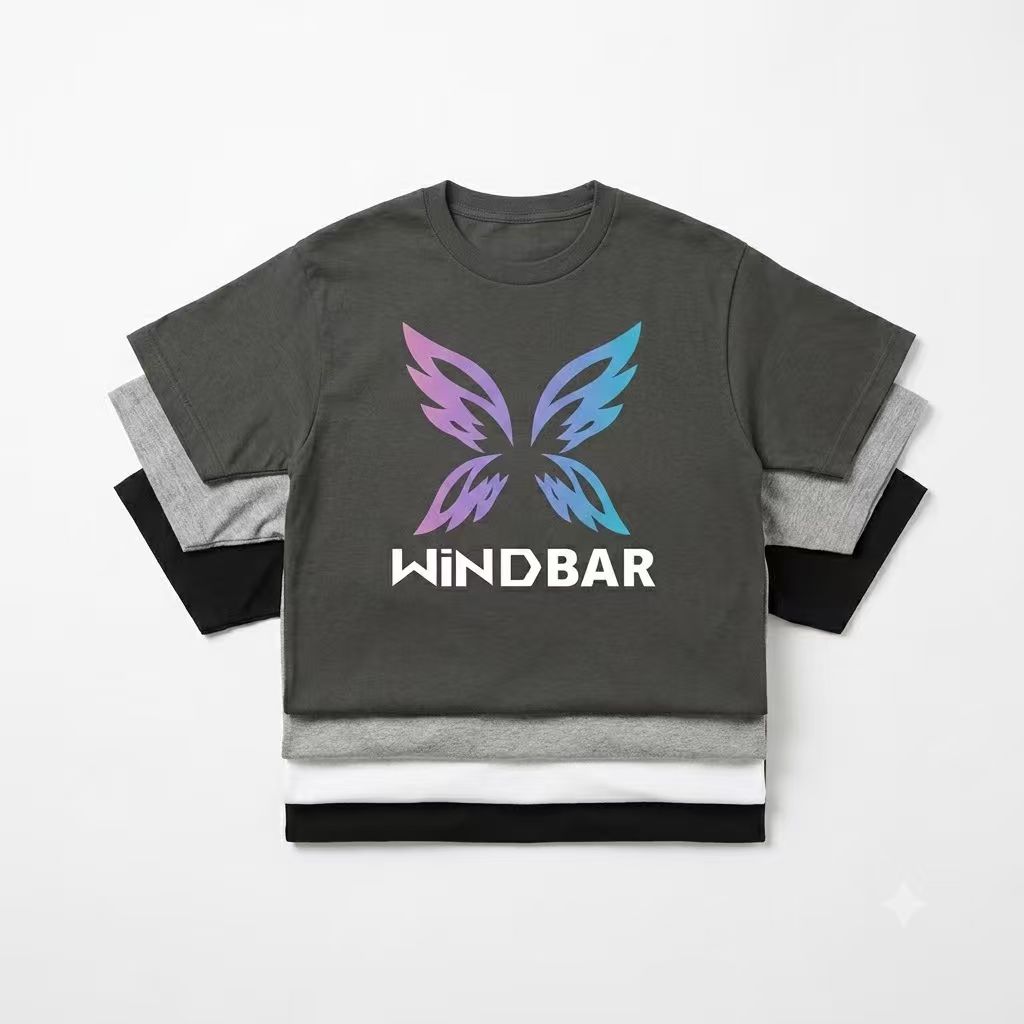
You've seen it on the tag or printed near the hem: "25/100" or "No. 7". It looks exclusive, but does it mean anything? For a lot of Windbar merch tees, the number is part of the limited edition story—but not all numbers are created equal. This guide walks you through the terms you'll hear, which ones matter, and how to talk to staff or other collectors without sounding lost.
The number you see first
When you pick up a limited edition tee, the first thing you'll notice is the numbering. It's usually printed on the back of the neck tag or as a graphic on the shirt. "125/500" means your tee is the 125th out of 500. That's straightforward. But here's the catch: the number alone doesn't tell you if it's rare or valuable. You need to know the edition size. A "No. 7" with no edition size could be one of thousands.
So, when you're looking at a numbered tee, the first question to ask is: "What's the total edition size?" If the answer is vague or missing, treat the number as decorative rather than a scarcity marker.
The term sellers overuse: 'Limited Edition'
"Limited Edition" gets thrown around a lot. In merch, it can mean anything from a run of 50 to a run of 10,000. Windbar uses "limited edition" on some tees, but it doesn't always mean a small batch. Sometimes it just means the design won't be restocked once it sells out.
Don't let the label alone drive your decision. Ask for the actual production run size. If the seller or website doesn't list it, that's a red flag that the "limited" part might be more about marketing than scarcity.
The term that actually matters: Edition Size
The edition size is the number that counts. A tee numbered 1 out of 50 is more collectible than one numbered 1 out of 5,000. When you're evaluating a Windbar limited edition tee, look for the total run size. It's usually printed on the tag or on a separate certificate. If it's not there, ask.
Also, check how the number is applied. Is it screen-printed, embroidered, or on a woven label? Printed numbers can fade over time, which hurts the resale value. Embroidered numbers last longer and feel more premium. A woven label is a common choice for official limited editions because it's durable and harder to fake.
Terms you can ignore
There's a lot of jargon in the merch world that doesn't really affect your purchase. Here's what you can skip:
- Drop number: This usually refers to the order in which releases happened, not the rarity of the item itself.
- Batch number: Often used for quality control, but it doesn't tell you how many were made.
- Serial number: This might be unique to your tee, but without a registry, it's meaningless.
Focus on the edition size and the authenticity markers. That's what matters.
How to talk to staff without sounding lost
If you're buying in person or contacting customer service, here are a few questions that will make you sound like you know what you're doing:
- "Can you tell me the total edition size for this design?"
- "Is the number printed or embroidered?"
- "Does this come with a certificate of authenticity?"
- "Is this part of a numbered series, or is it a one-off?"
These questions help you understand what you're actually paying for. A staff member who hesitates or gives vague answers might not know the details themselves—or worse, they might be hiding something.
A quick word on authenticity
Limited edition numbers can be faked. If you're buying from a reseller, look for a certificate of authenticity or a hologram sticker that matches the brand's standard. Some Windbar tees come with a unique code you can verify online. If there's no way to verify, don't pay a premium just for the number.
Bottom line
The number on a Windbar limited edition tee is a clue, not the whole story. Check the edition size, the application method, and any authenticity markers. That's what separates a genuine collectible from a tee with a number printed on it. And if you're ever unsure, ask—it's the smartest thing you can do.