
Q: The first thing people ask
"What's the deal with GSM? I see it on every product page but no one explains it."
Fair question, and I get it—it's one of those numbers that gets thrown around like it's obvious. GSM stands for grams per square meter. It's a measure of how heavy the fabric is per square meter. Simple as that. But here's the thing: heavier doesn't automatically mean better. It's about what you need.
For a California office commuter, that means thinking about your day. Are you biking in at 8 AM with the sun already baking? Or are you walking from a parking garage to an AC'd lobby? Your answer changes which weight makes sense.
Q: The follow-up that matters
"Okay, so what GSM should I actually get?"
Let's break it down by your routine. If you're mostly indoors but still hit the pavement between car and office, a mid-weight tee around 170–180 GSM hits a sweet spot. It's substantial enough to look polished under a light jacket, but it won't cling to you when you step outside for lunch.
If you're a sweat-prone commuter—no shame, we've all been there—go lighter. 150 GSM is your friend. It breathes, it dries fast, and it doesn't feel like a wet blanket when the sun hits. Downside? It's thinner, so it might not hold its shape as well after many washes.
For the guy who runs cold or works in a freezing office, a 200+ GSM tee feels like a warm hug. It drapes nicely, hides imperfections, and lasts longer. But on a 90-degree day, you'll regret it.
So the follow-up answer is: match the GSM to your worst-case comfort moment, not your best.
Q: The awkward one
"Is 200 GSM always better? My friend says premium tees are heavy."
Look, I've had this conversation at the counter more times than I can count. There's this idea that heavy equals luxury. It's not that simple. A 200 GSM tee can feel amazing—structured, durable, premium. But if you're wearing it in the wrong context, it's just uncomfortable.
I've seen $80 tees with sloppy seams and $20 tees that outlast them. GSM is just one number. You gotta look at the whole shirt: stitching, collar, fabric feel. Don't let a big number fool you.
Here's a quick way to tell: pick up the tee and hold it up to the light. If you can see through it easily, it's probably under 150 GSM. If it feels like a light sweater, you're in the 200s. Use your hands, not just the tag.
Q: The "is it worth it" one
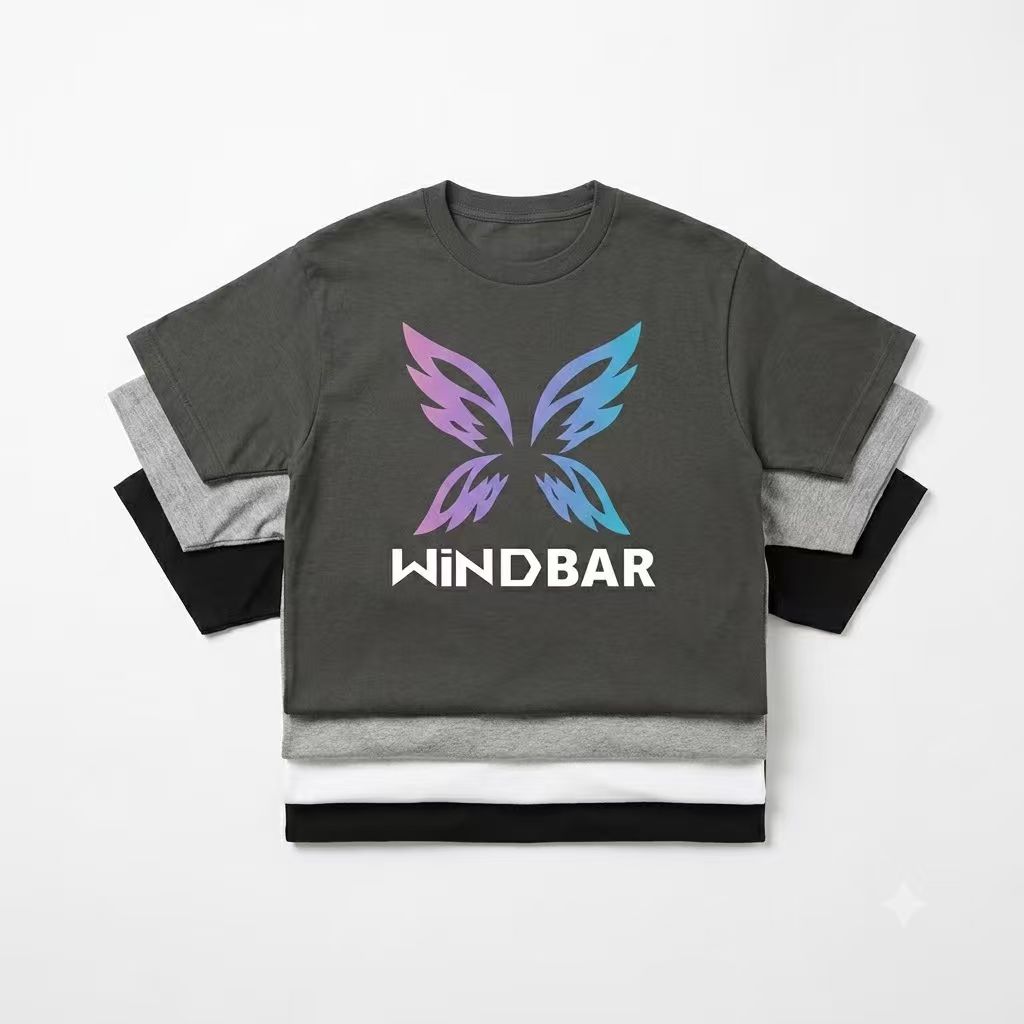
"So which Windbar tee should I buy for the office?"
Now you're asking the right question. Windbar's got a few options, and honestly, they all hold up. But for the California office crowd, I'd point you to the lighter side of the lineup—the kind of tee that works for a commute and a casual Friday.
If you're someone who likes a bit more structure, go heavier. It'll cost a bit more, but it'll keep its shape after dozens of washes. If you're all about comfort and airflow, the lighter tees are where it's at.
Either way, check the GSM on the tag. Windbar lists it, so you're not guessing. And if you're between two weights, think about what you'll actually wear more. That's the one worth buying.
Closing answer
So here's the short version: GSM matters, but it's not the whole story. For California commutes, lighter tees (150–170) are your best bet for heat and comfort. Heavier ones (200+) are for colder days or when you want a sturdier feel. Don't get stuck on the number—get the tee that matches your day.
And remember, no shirt is 'premium' just because it's heavy. Look at the details, feel the fabric, and pick what works for you. That's the kind of advice I'd give across the counter—and now you've got it.
This guide is for general shopping advice only. Always check the product page for current specs and care instructions.