
Why Your Matcha Won't Froth (and the Fix)
Ceremonial matcha is delicate. The same compounds that give it that vibrant green and umami flavor also create the foam. When something's off in your brewing, the froth just doesn't form. Here's the breakdown.
Stick: Core Fixes
Start here. These three changes solve 90% of weak-froth problems.
Water temperature: 160–175°F (70–80°C). Boiling water scorches the matcha, killing the proteins that create foam. If you don't have a thermometer, let boiling water sit for 2–3 minutes before using.
Sift your matcha. Clumps sink to the bottom and never aerate. Use a fine-mesh strainer and a spoon to push the powder through. Takes 10 seconds, makes a huge difference.
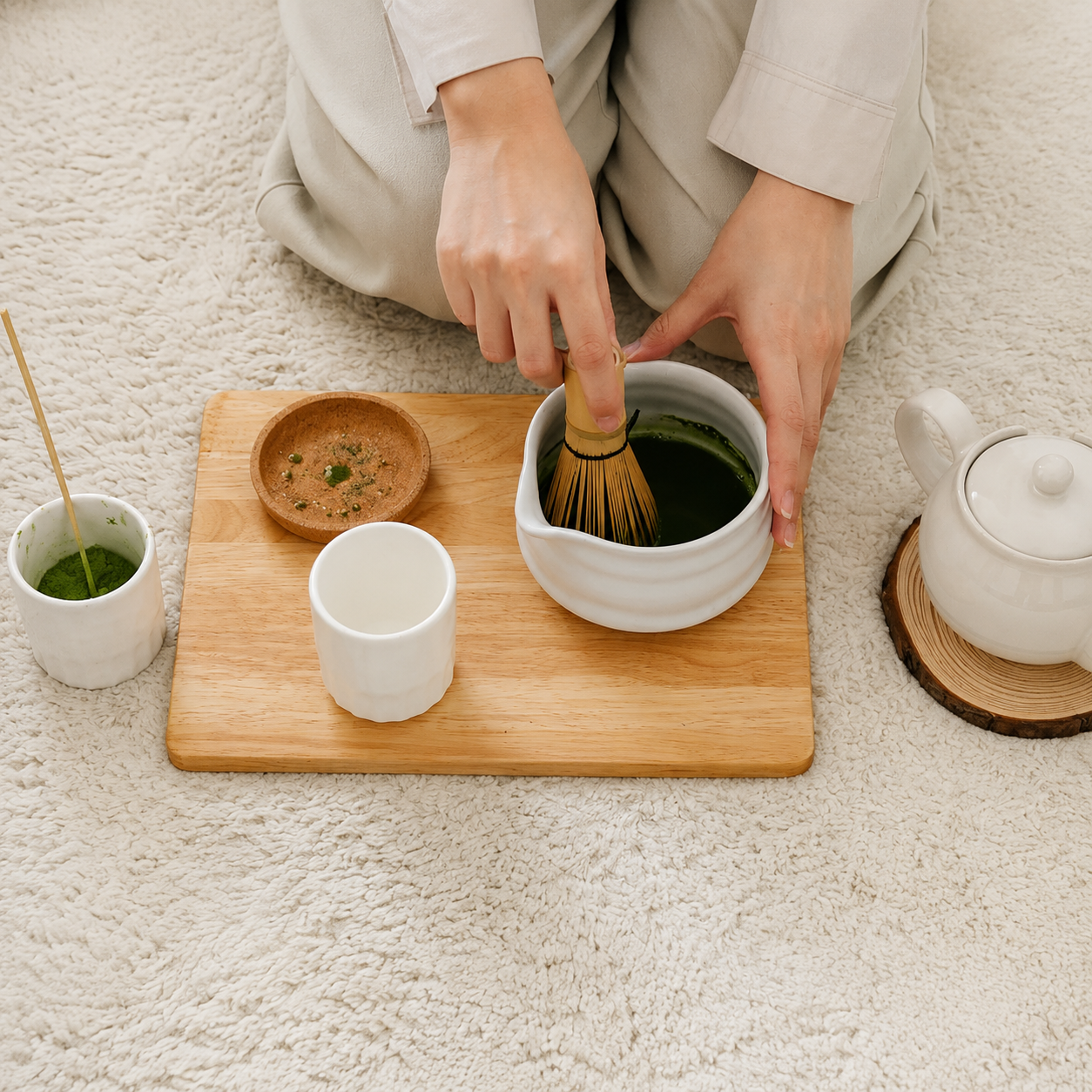
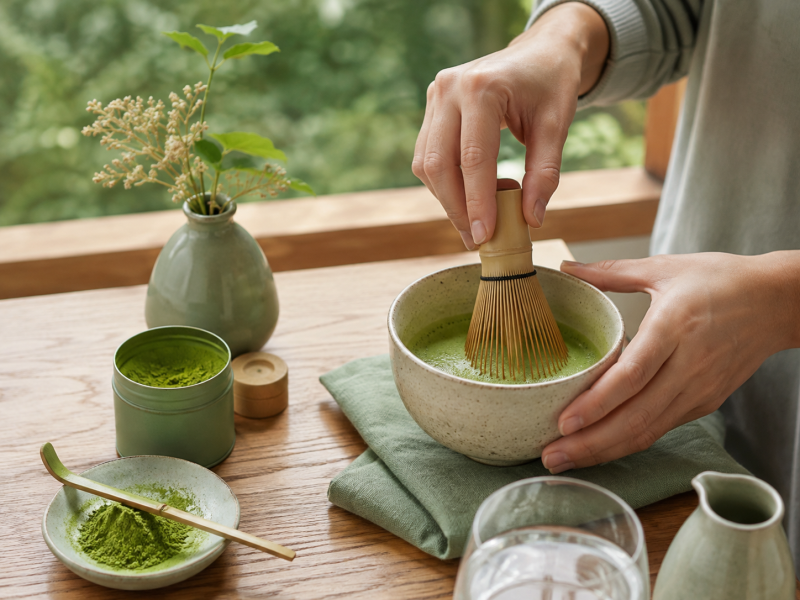
Whisk in a 'W' or zigzag motion, fast. Circles just spin the powder. A quick back-and-forth motion pulls air in and whips up a fine foam. 15–20 seconds is all you need.
Stick: Do This for Gifting
If you're making matcha as a gift (or serving it to guests), presentation matters. Here's what to do.
Use a bamboo whisk (chasen). A chasen with 80+ tines creates a finer, more stable foam than a fork or electric mixer. If you don't have one, a handheld milk frother works in a pinch—but the chasen gives that authentic, smooth texture.
Warm your bowl first. Rinse the bowl with hot water and dry it before adding matcha. Cold ceramic can drop the water temperature below the sweet spot, making it harder to froth.
Add a tiny splash of hot water first. Mix the matcha and a little water into a paste, then add the rest. This prevents clumps and gives you more control over foam.
Stick: Avoid These Common Mistakes
Now, what not to do.
Don't re-boil water. Re-boiled water has less oxygen, which means less foam. Always use fresh, filtered water.
Don't over-whisk. More than 30 seconds can make the matcha bitter and the foam coarse. Stop when you see a smooth, creamy layer on top.
Don't use old matcha. If your tin has been open for over 6 months, it's likely lost its vibrancy and foaming power. Store it airtight in the fridge to extend freshness.
Don't skip the sifter. Even if you're in a rush, sifting takes 10 seconds and prevents those stubborn clumps that kill froth.
Stick: Check This if It Still Fails
If you've tried the fixes above and still get weak foam, check these.
Is your matcha actually ceremonial grade? Culinary grade won't foam as well and tastes more bitter. Check the package or supplier—look for 'ceremonial' on the label.
Is your water too hard? High mineral content can interfere with foam formation. Try filtered or bottled water if tap water is hard.
Is your whisk old? Bamboo chasens lose tines over time. If yours is bent or missing bristles, replace it—it's a cheap fix.
Stick: Next Action
Frothy matcha is a skill, not a mystery. Practice once or twice with these steps, and you'll have a reliable, gift-worthy cup every time.
If you're still struggling, check your matcha's freshness. A fresh tin of ceremonial grade makes all the difference. For more brewing tips, see our guide on why matcha clumps—it covers similar ground.
And if you're building a matcha gift set, consider adding a chasen and a sifter. They're small, affordable, and make the experience complete.
With a little practice, you'll nail that creamy froth—and your gift will stand out.