
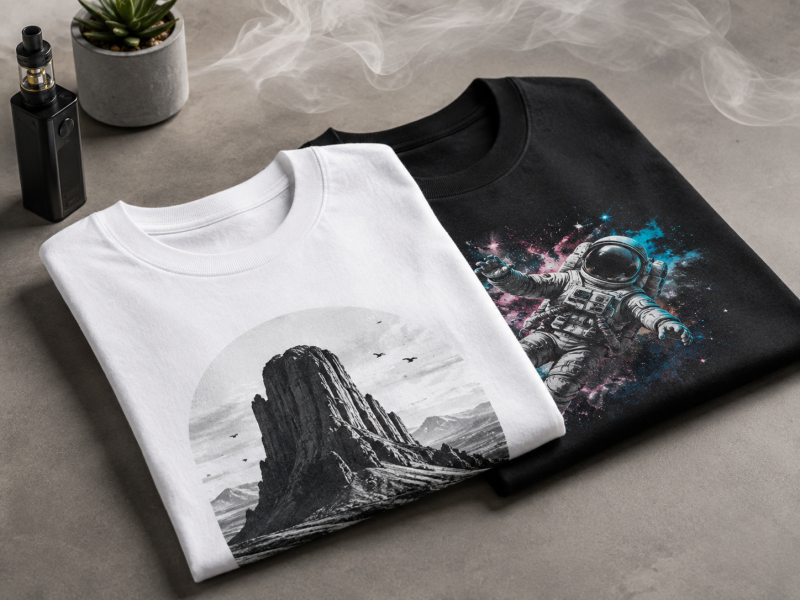
You've found the perfect design for your friend's birthday, but now you're staring at two options: screen printed or DTG. Which one won't end up in the back of their drawer? Let's break it down without the hype.
What You're Actually Comparing
Screen printing is the old-school method: ink is pushed through a stencil onto the fabric. The result is a thick, slightly raised print that feels like part of the shirt. DTG (direct-to-garment) is like a printer that sprays ink directly into the fabric, giving a soft, smooth finish that's barely noticeable to the touch.
For a gift, you want something they'll actually wear. So let's look at comfort, durability, and style.
Comfort: Soft vs. Textured
If your recipient hates stiff shirts, DTG wins. The print is absorbed into the fibers, so it feels like part of the fabric. Perfect for all-day wear, especially in warmer months. Screen print, on the other hand, has that classic rubbery feel. It softens after a few washes, but it's never as invisible as DTG.
That said, some people love the tactile feel of screen print. It gives a vintage vibe that DTG can't replicate. So think about their style—do they live in band tees or prefer a clean, modern look?
Durability: Which Survives the Wash?
Screen print is the workhorse. The ink layer is thick and bonds well with the fabric, so it resists cracking and fading. If your gift is for someone who wears their tees hard—think gym, yard work, or just daily rotation—screen print will hold up longer.
DTG is more delicate. On dark shirts, the ink sits on top and can fade with repeated washing. But with proper care (cold water, inside out, air dry), it can last a decent while. For a special occasion tee that won't be worn weekly, DTG is fine.
Style: Bold and Classic vs. Detailed and Modern
Screen print is the go-to for bold, high-contrast designs: logos, slogans, simple graphics. The thick ink makes colors pop and gives a retro feel. DTG shines with photo-realistic art, gradients, and tiny details that would be impossible or super expensive with screen printing.
If the design has lots of colors or looks like a painting, go DTG. If it's a clean two-color logo, screen print is the classic choice.
Who Should Choose Which?
Choose screen print if:
- Your recipient loves vintage or streetwear aesthetics.
- The design is simple and bold.
- They'll wear the shirt often and need it to last.
Choose DTG if:
- The design is detailed or photo-based.
- Your recipient prioritizes comfort over everything.
- It's for a special occasion, not daily wear.
What to Ignore in Marketing
Don't fall for "premium" or "eco-friendly" claims without checking the specifics. Screen print often uses plastisol ink, which is durable but not the most eco. Water-based inks are greener but less durable. DTG uses more water in production, but the print is softer. Ask the seller about the ink and fabric—don't just trust the tag.
Also, ignore "limited edition" hype. It's just a way to make you buy faster. Focus on the quality and whether it fits the recipient's style.
The Bottom Line
For a first-time buyer, there's no universal winner. If you want a gift that lasts and has that classic feel, screen print is your best bet. If you want something soft and detailed, go DTG. Think about the person, not the trend.
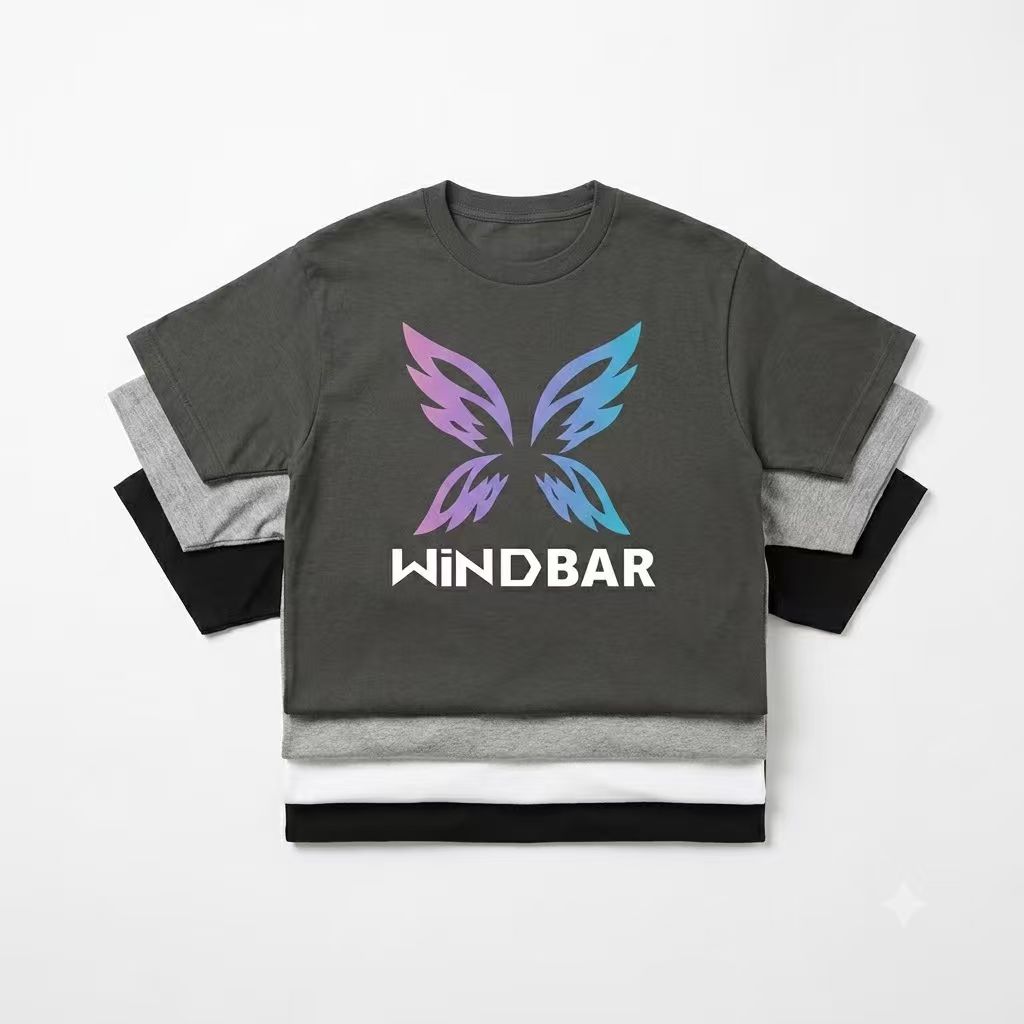
And if you're still unsure, you can't go wrong with a well-made tee from a brand you trust. Windbar's lifestyle line offers both options, so you can feel the difference before you buy. Just remember: the best gift is one they'll actually wear.
Always check the care label and wash instructions to keep the print looking fresh. And keep in mind that any printed garment will eventually fade—that's part of its charm.
Key Takeaways
- When choosing between screen print and DTG (direct-to-garment) graphic tees for gifting, consider the recipient's style and how often they'll wear it. Screen print offers classic durability and a textured feel, while DTG allows for vibrant, photo-quality designs with a softer hand. Neither is universally 'better'—it depends on the design, the fabric, and the person wearing it.
- Screen print uses thick ink layers that feel textured and last longer, making it ideal for simple, bold designs and frequent wear.
- DTG prints are softer and allow for detailed, multi-color artwork, but they may fade faster on dark fabrics.
- For a first-time buyer, consider the recipient's lifestyle: screen print is more durable, DTG is more comfortable for everyday wear.
- Both printing methods are safe for adult gifting; avoid designs with offensive content and always check the care label.
- Marketing claims about 'premium' or 'eco-friendly' prints should be verified—ask about the ink type and fabric blend.
Frequently Asked Questions
Q: What is the main difference between screen print and DTG?
Screen print pushes ink through a mesh stencil, creating a thick, durable layer. DTG prints directly onto the fabric like a printer, giving a softer feel and allowing for detailed, photo-like designs.
Q: Which lasts longer: screen print or DTG?
Screen print generally lasts longer, especially on heavy-wear items, because the ink layer is thicker and more resistant to cracking. DTG can fade over time, especially on dark colors, but with proper care (washing inside out, cold water) it can still hold up well.
Q: Is DTG more comfortable than screen print?
Yes, DTG is often more comfortable because the print is absorbed into the fabric, leaving a soft texture. Screen print has a raised, rubbery feel that some people find less breathable, but it softens with washing.
Q: Can I get a photo-quality design on a screen-printed tee?
Screen print is best for bold, limited-color designs. For photo-quality or highly detailed artwork, DTG is the better choice because it can reproduce gradients and fine details without extra screens.
Q: What should I avoid when buying a graphic tee as a gift?
Avoid designs that are too niche or offensive, unless you know the recipient's taste well. Also, check the fabric blend—100% cotton is breathable and soft, but blends may pill. And don't fall for 'limited edition' hype; focus on the print quality and how it feels.
Sources & Further Reading
- FTC Guidelines for Textile Labeling — For understanding fabric content and care labels, which affect print durability.
- Consumer Reports: T-Shirt Care — For general advice on washing and maintaining printed apparel.