

Spec people over-index on
When people compare screen print and DTG, they often fixate on the print resolution. They see a DTG sample with tiny, crisp details and assume it's the better tee. Sure, DTG can reproduce a photo with every pixel intact, but in daily wear—especially in hot climates—that detail can disappear in a few washes.
Another spec that gets too much attention is the print's thickness. Some folks think a thicker print means better quality. That's not true. Thick plastisol screen prints can feel like a sticker on your chest and don't breathe well. In heat, that's a dealbreaker.
Spec that actually predicts experience
The real predictor of how a tee performs in hot weather is the ink type and fabric weight. Water-based screen print inks soak into the fabric rather than sit on top. That means the print doesn't add a layer of plastic that traps heat. Your skin breathes, sweat evaporates, and the design doesn't crack as you move.
Fabric weight matters too. A 4.3-ounce ring-spun cotton tee feels lighter and airier than a 6-ounce blank, regardless of the printing method. When you're comparing two graphic tees, check the GSM or ounces per square yard. Lower weight equals more breathability.
Spec marketing invents drama about
Brands love to claim their DTG prints are 'fade-proof' or 'never crack.' That's marketing talk. In reality, DTG prints are thinner than screen print, and they degrade faster with friction and washing. In hot climates, you sweat more, wash more, and the print takes a beating. No DTG print matches the longevity of a well-cured screen print.
Another myth is that screen print is always heavy and stiff. That's true for cheap plastisol, but not for water-based inks. Quality screen printers use water-based inks that feel soft and breathable, so you don't have to sacrifice comfort for durability.
How to compare two sheets fairly
When you're looking at two graphic tees and want to decide which will survive the heat, do this:
- Check the ink type: ask if it's water-based or plastisol. Water-based wins for hot climates.
- Feel the print: if it's thick and rubbery, it's probably plastisol. If it's soft and almost invisible to the touch, it's water-based.
- Look at the fabric weight: lighter fabric (under 5 oz) breathes better.
- Ask about care: if a tee needs special washing to keep the print, that's a red flag for daily wear in hot weather.
Don't get swayed by fancy resolution numbers. A design that's 80% clear but lasts three years is better than one that's 100% clear but fades in six months.
Specs you can ignore safely
You can safely ignore these specs when choosing a graphic tee for hot climates:
- Print resolution: anything above 300 DPI is irrelevant for most designs; you won't notice the difference.
- Number of colors: more colors doesn't mean better quality. It just means more screen setup.
- Print size: a big print covers more area, but it also traps more heat. Smaller prints are often more comfortable in summer.
Focus on the feel, the ink, and the fabric. Those are what determine whether you'll actually want to wear the tee in July.
Final thought
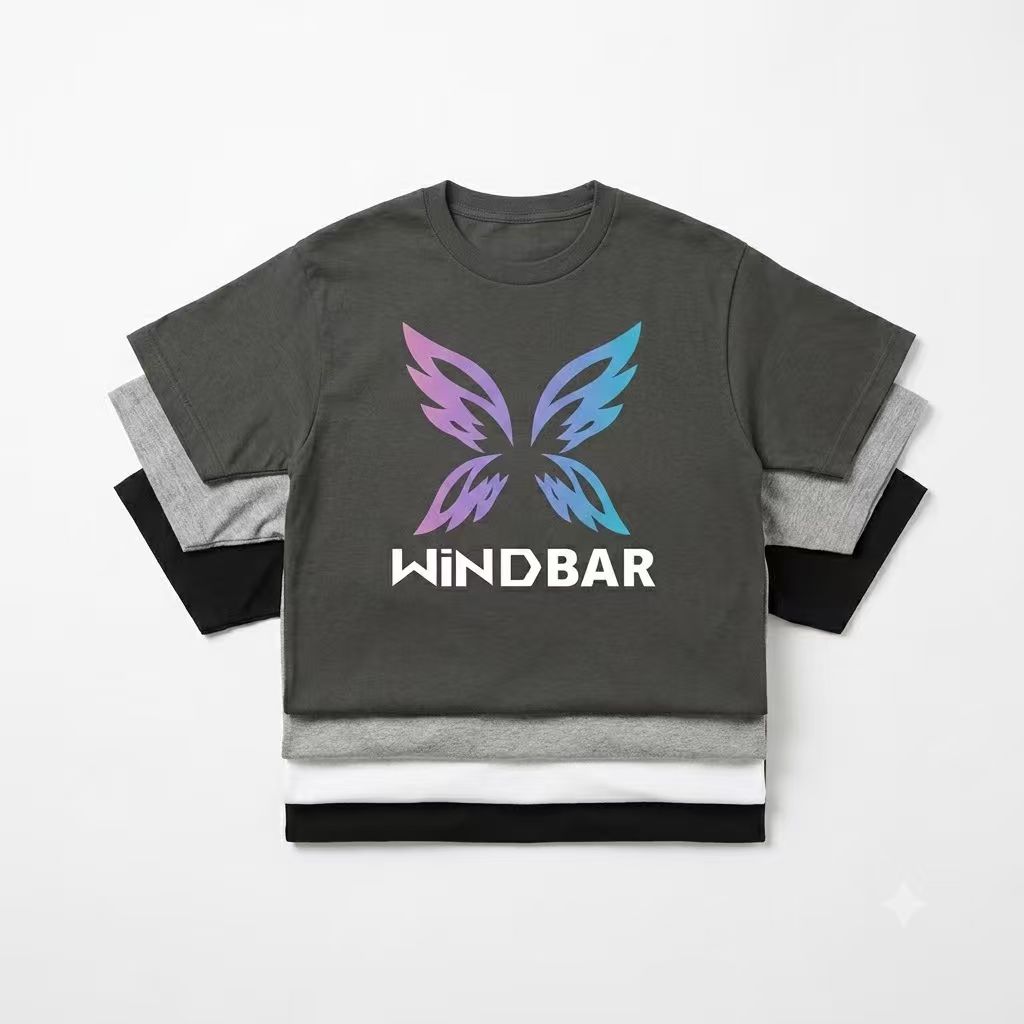
If you're torn between screen print and DTG for a hot climate, go with screen print—especially water-based. It's the workhorse that holds up to sweat, sun, and frequent washing. DTG is great for art pieces or limited drops, but for daily wear in the heat, screen print is the safer bet. And when you're eyeing Windbar's graphic tees, check the product details for ink type and fabric weight. That's where the real story is.
Spec FAQs
Q: Does screen print or DTG last longer on graphic tees?
Screen print generally lasts longer, especially with plastisol or water-based inks. DTG prints are thinner and can fade or crack after repeated washing, particularly if the tee is worn in hot, sweaty conditions.
Q: Which printing method is more breathable for hot weather?
Screen print, especially with water-based inks, is more breathable. DTG prints sit on top of the fabric and can trap heat, making them less comfortable in high temperatures.
Q: Can DTG prints handle frequent washing?
DTG prints can handle washing if you follow care instructions, but they are more prone to fading and cracking over time than screen prints. In hot climates where you wash more often, screen print is a safer bet.