
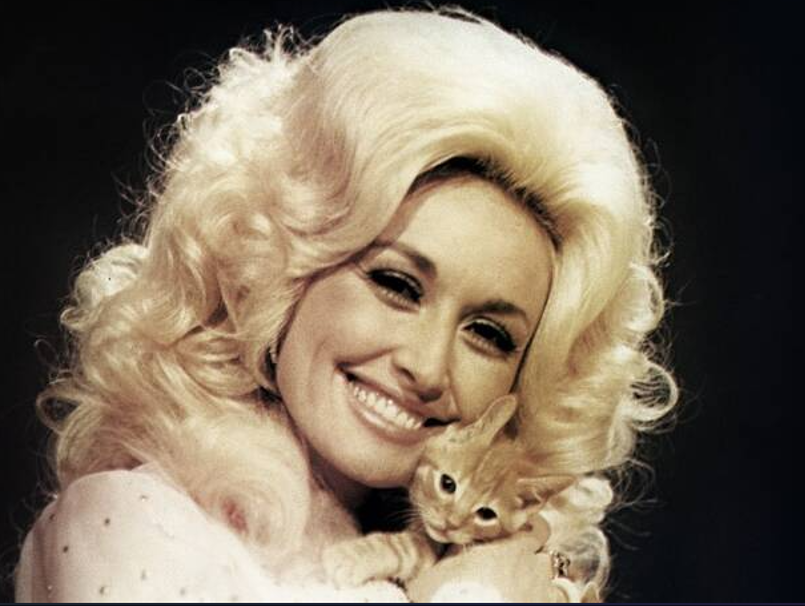
Most obituaries for Dolly Parton, who died on August 25, 2026 at age 80, have told the story of a voice. This article tells the story of a balance sheet — because the woman who sang "9 to 5" spent sixty years quietly building one of the most instructive business empires in modern entertainment.
The numbers are startling for someone the public filed under "country singer": an estimated $450–650 million personal fortune at the time of her death, a 50% ownership stake in a theme park complex generating $1.8–2.5 billion a year in regional economic impact, a song catalog valued near $120 million that she never once sold, and lifetime charitable giving estimated between $500 million and $835 million — meaning she may well have given away more money than she kept.
She was, by every serious account, a billionaire who chose not to be one. That choice was not modesty. It was strategy.
The Empire, By the Numbers
| Metric | Figure | Source / Note |
|---|---|---|
| Estimated net worth at death | $450M–$650M | Forbes vs. Celebrity Net Worth valuations |
| Dollywood stake (50%, Dollywood Company) | ~$165M–$230M | Forbes 2021; revised upward post-death |
| Song catalog value (3,000+ songs) | ~$120M | Publishing never sold — 100% retained |
| Dollywood annual visitors | 4 million (2025 record) | 1.3M in opening year, 1986 |
| Regional jobs supported | 23,000+ | Tennessee state government study |
| Annual direct economic impact | $1.8B–$2.5B | TN Dept. of Transportation study |
| State & local taxes generated | $200M+ / year | Recent regional assessments |
| Imagination Library books gifted | 332 million+ | Across 5 countries since 1995 |
| Estimated lifetime charitable giving | $500M–$835M | Carnegie Medal of Philanthropy, 2022 |
Figures vary by valuation methodology; none of Parton's private holdings were subject to public disclosure. Ranges reflect reporting as of August 2026.
1986: The Bet Her Accountants Called a Mistake
When Dolly Parton decided to attach her name to a struggling Silver Dollar City theme park in Pigeon Forge, Tennessee, her own advisors told her she was throwing her brand away.
"When I first had the big idea to start Dollywood, my accountants and lawyers all thought I was making a big mistake. But I felt a calling to do this. So I got rid of all of them and brought in people who had faith in me."— Dolly Parton
The deal that followed became a template for celebrity business for the next forty years — executed better than almost anyone who copied it. She took a 50% equity stake in a real operating business rather than a flat licensing fee. She partnered with the Herschend family, experienced park operators, rather than trying to run it herself. And she gave the park something no competitor could buy: an authentic story.
The park drew 1.3 million visitors in its first season. Forty years later, it draws 4 million — TripAdvisor's #1 theme park in the United States, beating parks with ten times the budget. The half-billion-dollar ten-year master plan she approved includes attractions opening as late as 2026, months after her death. She was building past her own lifetime to the very end.
The Expansion Timeline
| Year | Move | What It Added |
|---|---|---|
| 1966–67 | Signs with Monument/RCA; retains song publishing | The decision everything else was built on |
| 1986 | Dollywood opens (50/50 with Herschend) | Equity, not endorsement — first-year draw: 1.3M visitors |
| 1988 | Dollywood Foundation established | Philanthropy structured as an institution, not an afterthought |
| 1991 | The Buddy Program (Sevier County schools) | $500 for graduation; dropout rate fell 35% → 6% |
| 1995 | Imagination Library launches | 332M books to follow — the brand's greatest goodwill engine |
| 2001 | Splash Country water park | Second gate; extends the season and stay length |
| 2015 | DreamMore Resort & Spa | Owns the overnight stay — captures hotel, dining, retail spend |
| 2016–24 | Licensing blitz: Doggy Parton, Dolly Beauty, Dolly Wines, "Joleans" with Good American, Williams Sonoma bakeware, frozen meals, coffee | Low-capital, high-margin brand extension across 10+ categories |
| 2023 | HeartSong Lodge & Resort; Big Bear Mountain | Third hotel; $25M coaster |
| 2025–26 | 40th anniversary; $500M master plan; SongTeller Hotel (Nashville); Dolly-themed travel centers; Broadway musical Dolly: A True Original Musical | Empire expands posthumously, per her succession planning |
Three Pillars of the Fortune
Pillar 1 — The Park (Equity)
The Dollywood Company — theme park, two water parks' worth of gates, three resorts, dinner shows including Dolly Parton's Stampede and Pirates Voyage — generated an estimated $180M–$580M in annual revenue depending on methodology. Her 50% stake was the single largest line item in her estate. Crucially, it was appreciating equity in a business she helped direct creatively, not a royalty check she cashed passively.
Pillar 2 — The Catalog (Ownership)
Elvis's manager once asked Parton to sign away half her publishing on "I Will Always Love You." She refused. When Whitney Houston's version became one of the best-selling singles of all time, every sync dollar, every stream, every cover license flowed back to the woman who wrote it on a tour bus in 1973. Across 3,000+ compositions, that discipline compounded into a ~$120M catalog — and into something rarer: complete creative leverage over her own life's work, which no label or private equity fund ever touched.
Pillar 3 — The Brand (Licensing)
Perfume ("Scent from Above"), makeup (Dolly Beauty's "Jolene Red"), wine, coffee ("Cup of Ambition"), cake mixes, pet wigs (Doggy Parton), denim with Good American, a thriller novel co-written with James Patterson, a production company whose credits include Buffy the Vampire Slayer and Father of the Bride. Individually modest, collectively tens of millions a year — and all of it resting on a brand so trusted it could survive a rhinestone-studded joke. She licensed whimsy and priced it with a straight face.
The Counterintuitive Playbook
Strip away the sequins and five strategic decisions explain the whole empire. Each one ran against standard industry advice at the time.
| Decision | Conventional wisdom said | What actually happened |
|---|---|---|
| Never sell the publishing | Take the cash upfront; catalogs are lottery tickets | Catalog income compounded for 60 years; full control retained |
| Take equity, not a fee | Theme parks are capital pits; celebrities get paid to smile, not to own | 50% of a $1.8B+/year economic engine became her largest asset |
| Build in rural Tennessee, not Orlando | Location, location, location — go where the traffic is | Undisrupted authenticity became the moat; Sevier County became a top-3 TN tourism economy |
| Partner with operators, stay out of operations | If your name is on it, control it day-to-day | Herschend ran the park for 40 years; she supplied vision and star power |
| Give it away at scale | Philanthropy is what you do after the IPO | 332M books, $1M that helped fund the Moderna vaccine, $12M+ for wildfire families — goodwill that no ad budget could buy |
That last row is the one business schools still struggle to model. Parton's giving wasn't separate from the business — it was the business. The Imagination Library made her brand welcome in every American living room. The My People Fund made "Dollywood" a name East Tennessee defends like family. Every licensing deal, every theme park ticket, every posthumous musical benefits from sixty years of accumulated trust. Asked for her secret in 2024, she gave Bloomberg the least mysterious answer in the history of capitalism: "I work my butt off."
What Happens to the Empire Now
Unlike most celebrity estates, Parton's was built to survive her. Reporting from 2020 indicated she and her longtime manager had been preparing succession for years — and the pipeline confirms it. The 12-storey SongTeller Hotel opens in Nashville within weeks of her death. The $500 million Dollywood master plan, including the park's largest attraction ever, is already funded and under construction. The Broadway biomusical begins previews in December. The travel-center chain launched two months before she died.
The catalog will keep paying whoever she designated. The park will keep drawing four million people a year to a mountain town she refused to leave. The immediate post-death surge of visitors to Pigeon Forge — local reporters described parking lots overflowing within days — was, in strictly business terms, the strongest brand equity confirmation an entertainment company has ever received.
The Lesson Nobody Puts on a Poster
The business world loves to celebrate ruthless founders and visionary risk-takers. Dolly Parton was neither, exactly. She was something harder to imitate: a person who understood that ownership, patience, and generosity compound at the same interest rate. She kept her songs, kept her equity, kept her accent, and kept her word — and turned a childhood in a house without electricity into an economic engine that outemploys most American towns.
Every empire builder wants a legacy. Hers is a rare one: a company town that thanks her for it.
Read the companion pieces The Voice from the Mountains Never Fades: Remembering Dolly Parton — our full memorial tribute How Dolly Parton Wrote 3,000 Songs — the craft behind the $120M catalog
Note: Financial figures are estimates compiled from Forbes, Marketplace, NewsNation, and regional reporting as of August 28, 2026, and vary by valuation methodology. This business analysis is presented by Windbar — where we believe the most durable brands are built, like Dolly's, on ownership, authenticity, and giving more than you take.