

Dolly Parton wrote roughly 3,000 songs over 70 years by treating songwriting as daily discipline rather than inspiration: she captured every idea immediately, wrote only from specific lived experiences, finished drafts fast and revised for decades, and wrote her first song at age five — long before her first hit. Below: her full method, plus the true stories behind I Will Always Love You, Jolene, Coat of Many Colors, and 9 to 5.
KEY TAKEAWAYS Dolly Parton wrote her first song at age 5 and signed her first record deal at 11 — writing came decades before fame. Her method: capture ideas instantly, write from the specific (never the abstract), finish before judging, revise forever. Her biggest hit, I Will Always Love You, was written in one night in 1973 and became a global phenomenon in Whitney Houston's voice, not her own. Jolene was inspired by a real red-headed bank teller flirting with her husband; Coat of Many Colors was written on a dry-cleaning receipt. She kept 100% ownership of her publishing her entire career — the ~3,000-song catalog is valued at roughly $120 million.
IN THIS GUIDE How many songs did Dolly Parton actually write? What was Dolly Parton's first song? The 3 habits behind 3,000 songs The stories behind 4 masterpieces Did she write songs for other artists? 5 songwriting lessons from Dolly Parton FAQ
How Many Songs Did Dolly Parton Actually Write?
The number that circulates most often is 3,000 — and it's a credible estimate, not a legend. Over a songwriting career that began in a one-room cabin in 1951 and ran until the months before her death in August 2026, Parton wrote continuously: roughly 3,000 original compositions, 49 studio albums, 25 number-one country singles, and 11 Grammy Awards. Hundreds of those songs were never recorded; they sit in a Nashville vault, still generating discovery for archivists and still valuable — Forbes estimated the catalog's worth at approximately $120 million, partly because Parton retained full publishing ownership of nearly all of it.
For comparison: the great American songbook writers of her era — even the famously prolific ones — rarely crossed 1,000. Parton tripled that while also starring in films, running a theme-park empire, and building one of the largest philanthropies in entertainment history. Which raises the real question: how?
What Was Dolly Parton's First Song?
Dolly Parton wrote her first song, "Little Tiny Tasseltop" — a tribute to a corncob doll — at age five, before she could write the words down. Her mother, Avie Lee, transcribed the lyrics as little Dolly sang them. By ten she was performing on local Knoxville television; at eleven, she recorded her first single, "Puppy Love," on a small Louisiana label; at thirteen she appeared at the Grand Ole Opry.
The origin matters more than the trivia. There was no electricity in the cabin in Locust Ridge, Tennessee — just a battery-powered radio, a mother who sang old mountain ballads, and an uncle, Bill Owens, who bought her a real guitar. Her earliest songs were about corn whiskey, church, and the smell of supper on the stove. That set the pattern for all 3,000 that followed: the material came first, the song came second. She never once wrote at length about a life she hadn't lived or witnessed up close.
The 3 Habits Behind 3,000 Songs
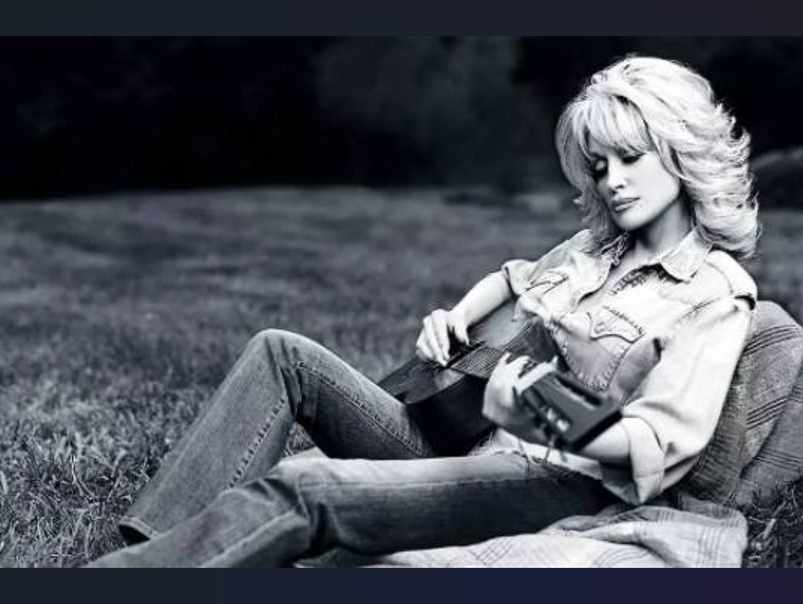
Parton described songwriting as something closer to farming than to inspiration. Ideas arrived constantly — in cars, on planes, mid-conversation — and she trapped them immediately, humming melodies into a recorder or scribbling lines on anything within reach, including receipts and dry-cleaning tickets. She called her muse "the little girl in the mountains" who still whispered to her, and she treated that voice like a job.
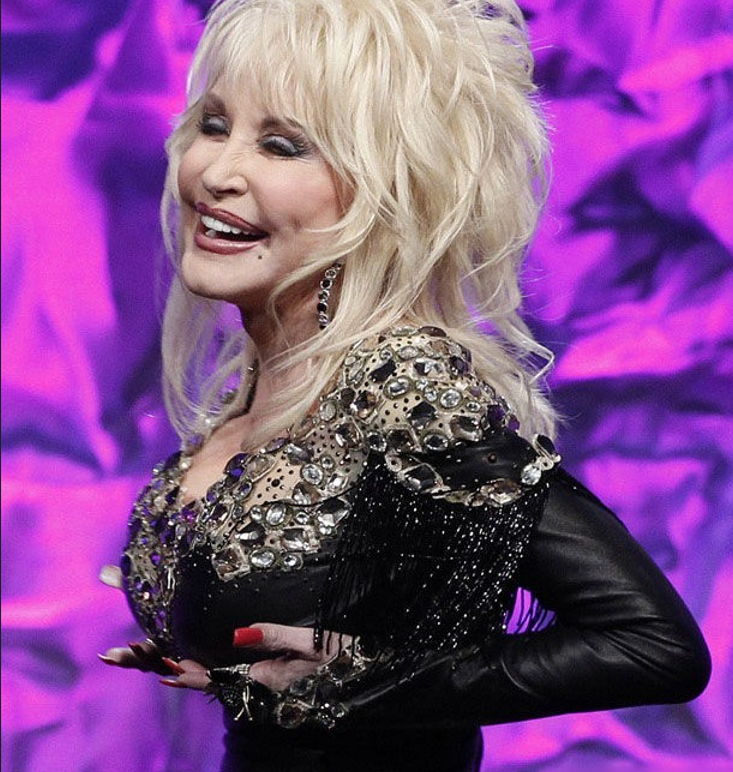
Habit 1: Capture everything, immediately Melodies and lines were recorded the moment they arrived. Nothing was trusted to memory — because memory, she said, is where good songs go to die. Habit 2: Write from the specific, not the general A coat of many colors. A red-headed bank teller. A laundromat meeting. Every universal feeling arrived through one concrete, true detail — never through abstraction. Habit 3: Finish the song before you judge it She wrote fast and revised relentlessly — often re-cutting her own classics decades later. Volume came first; perfection was a long-term process, not a prerequisite.
That discipline is why the number is 3,000 and not 300. She treated songwriting not as a lightning strike but as a daily weather system — always moving, always somewhere to capture.
The Stories Behind 4 Masterpieces
What's the true story behind "Coat of Many Colors"? (1971)
The true story of the patchwork coat her mother sewed from rags, and of the schoolmates who laughed at it. She wrote it in one sitting on the back of a dry-cleaning receipt while touring with Porter Wagoner — capturing, in three verses, the entire economics and dignity of being poor and loved. The Library of Congress later placed it in the National Recording Registry.
Why did Dolly Parton write "I Will Always Love You"? (1974)
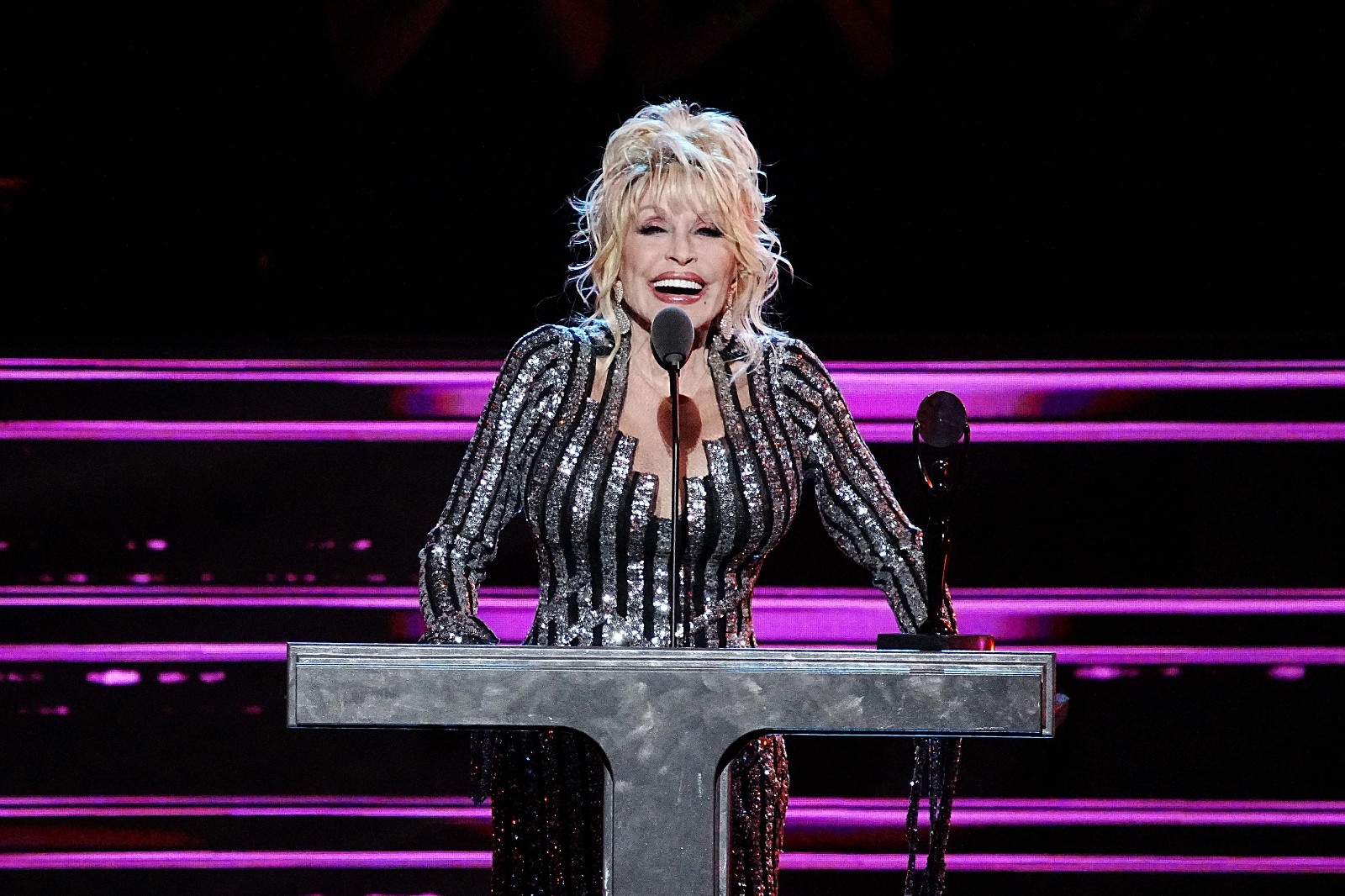
She wrote it in one night in 1973 as a professional goodbye — too honest for a conversation, perfect for a song — to her mentor Porter Wagoner when she left his television show. She recorded it in 1974, and it hit number one on the country chart twice on her own. But no one could have predicted that Whitney Houston's 1992 version for The Bodyguard would become one of the best-selling singles ever recorded. Elvis Presley had wanted to record it — until his manager demanded half the publishing, and she refused. That refusal kept every future royalty stream in her own hands, and is now taught in music-business courses as one of the great ownership decisions of the era.
Who was "Jolene" really about? (1974)
Two real things: a red-headed bank teller who flirted with her husband Carl Dean, and a young autograph-seeking fan named Jolene. She fused them into the pleading, urgent anthem of a woman negotiating with her own fear. It was recorded in one take, in the key she wrote it in — and its signature galloping rhythm was built on the sound of her acrylic fingernails tapping each other, which she used in place of a percussion track.
How was "9 to 5" written? (1980)
On the set of her first film, she watched the crew and cast interact with the studio executives and saw the whole machinery of workplace power — then wrote the theme song overnight, using her acrylic nails tapped on the desk to imitate a typewriter. The sound became the percussion track on the record. Two Grammys and an Oscar nomination followed, and the song became an enduring anthem of workplace rights.
Did Dolly Parton Write Songs for Other Artists?
Yes — and this is the part of the catalog most people miss. She was a songwriter's songwriter long before she was a superstar. In the 1960s, her songs were hits for other artists while she was still being told she was "too country." Even at the peak of her own fame, she kept writing for everyone: Emmylou Harris, Kenny Rogers, Linda Ronstadt, and dozens more recorded Parton compositions. Her duet albums with Rogers produced some of the biggest crossover hits of the era, and Whitney Houston's version of I Will Always Love You made her composition globally immortal without her voice on it.
Her explanation was always practical, never precious: a song does its job when it finds the right voice, whoever that is. That generosity — writing without needing to be the one singing — is exactly why her influence compounds across generations, from Houston to Miley Cyrus to the pop-country wave of today.
5 Songwriting Lessons From Dolly Parton
Strip away the genre and the era, and what remains is a methodology anyone who builds anything — a song, a brand, a business — can study:
| Dolly's Principle | What It Looks Like in Practice |
|---|---|
| Write what you know — really know | Every classic traces back to an actual coat, teller, or typewriter |
| Specificity is universality | One small true detail reaches further than a hundred grand abstractions |
| Volume beats waiting | 3,000 songs came from daily capture, not rare lightning |
| Own your work | She refused Elvis's publishing grab — and kept a $120M catalog |
| Let the work outlive your ego | Her greatest hit is world-famous in someone else's voice — and she celebrated that |
This same specificity-first philosophy — build from true stories rather than manufactured ones — is at the heart of how great brands are built today. It's the approach we practice and write about at windbar.ai: authenticity as strategy, not decoration.
Frequently Asked Questions
How many songs did Dolly Parton write?
An estimated 3,000 original compositions over roughly 70 years, including 25 Billboard country number-one singles and hundreds of songs never recorded.
What was Dolly Parton's first song?
"Little Tiny Tasseltop," written at age five about her corncob doll. Her mother transcribed the lyrics because Dolly couldn't yet write.
Did Dolly Parton write "I Will Always Love You"?
Yes. She wrote and first recorded it in 1974 as a farewell to Porter Wagoner. Whitney Houston's 1992 cover became one of the best-selling singles of all time — with all publishing royalties flowing to Parton, who famously refused to sign away half the song to Elvis Presley's manager.
Who was the song "Jolene" about?
A red-headed bank teller who flirted with Parton's husband, Carl Dean, blended with a young fan named Jolene she once met at a concert.
How much is Dolly Parton's song catalog worth?
Forbes estimated approximately $120 million. Because Parton retained full ownership of her publishing throughout her career, the catalog remained entirely hers — unlike many peers who sold theirs.
What instruments did Dolly Parton play?
Primarily guitar, but also autoharp, banjo, piano, dulcimer, and her own fingernails — famously used as percussion on "Jolene" and "9 to 5."
"My songs are the door to every dream I've ever had and every success I've ever achieved," she once said. The door is still open. Somewhere in a Nashville vault, hundreds of unrecorded Parton songs are waiting — a reminder that she thought of herself, first and always, as a writer who happened to sing, not a singer who happened to write.
The rhinestones caught the light. The songs caught everything else.
Read next The Voice from the Mountains Never Fades: Remembering Dolly Parton — our full memorial tribute Saint Dolly, Inc.: How Dolly Parton Built a Business Empire Without Selling Out — how the $120M catalog fits into the whole fortune For more brand storytelling and content strategy guides, explore the Windbar blog
Note: Facts and figures verified against public reporting by the Associated Press, Grammy.com, the Country Music Hall of Fame, Forbes, and PBS as of August 2026. Songwriting anecdotes are drawn from Parton's own interviews and memoirs. This article is presented by Windbar — because the best brands, like the best songs, are built on true stories.