
Questions about fit
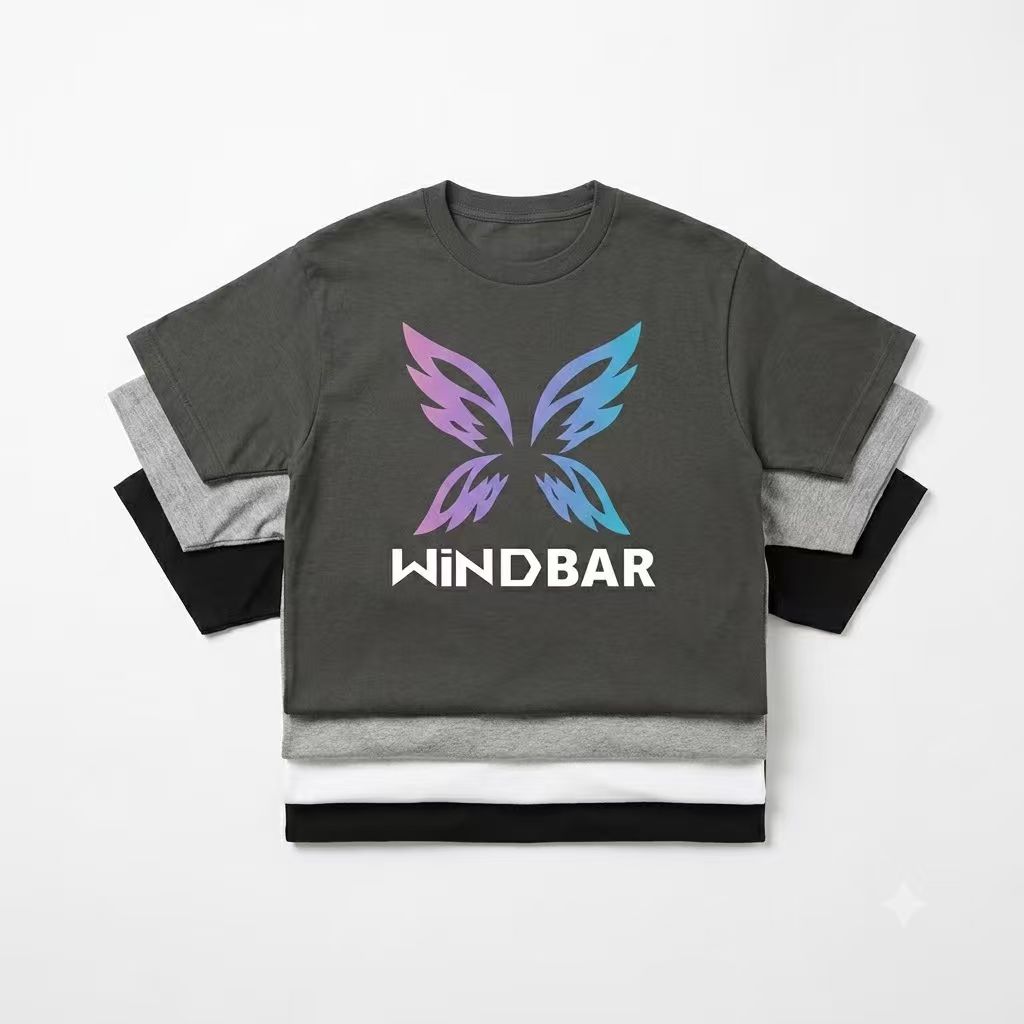
You've found a T-shirt you like, maybe from Windbar's latest drop, and you're ready to check out. But wait—what happens if it doesn't fit? In Florida, there's no law that says a store has to take it back just because it's not your size. That's up to the store's own policy.
So before you hit 'buy,' ask yourself: Is this a final sale? Some stores mark items as final sale, especially during promotions. If the size is uncertain, consider ordering two sizes and returning the one that doesn't work—but only if the store allows returns.
Here's a quick checklist to run through:
- Does the store have a clear return policy on its website?
- Is there a specific window for returns (e.g., 30 days)?
- Do they require the item to be unworn with tags attached?
- Are there any exclusions for sale items or limited releases?
If you can't find these answers, that's a red flag. A reputable seller will make their return policy easy to find and understand.
Questions about cost of ownership
Returns aren't always free. Some stores charge a restocking fee—often a percentage of the purchase price—to process a return. Others make you pay for return shipping. These costs can turn a $25 tee into a $35 mistake if you're not careful.
Ask yourself: How much will it actually cost me if I need to return this? If the store charges a restocking fee and doesn't offer free return shipping, that's a hidden cost. A good policy will state these fees upfront.
Also, think about the timeline. If you're buying a shirt for a specific event, will you have time to return and reorder if something goes wrong? Usually, you'll need to act within 30 days, but some stores give you less. Don't assume—check.
Questions about support / returns
Even the best policies can be a pain if the customer service is lousy. Before you buy, look at how the store handles returns. Is there a phone number or live chat? Do they respond to emails quickly? A store that makes you jump through hoops to get a refund isn't worth the hassle.
If you're buying from an online marketplace like Etsy or eBay, returns are often mediated by the platform. But for direct purchases, you're at the mercy of the seller's policy.
A good sign: the store's return policy is written in plain language, not legalese. It should tell you exactly what to do, step by step. If it's vague or confusing, that's a warning sign.
Questions about compliance / age gates if relevant
Now, this might seem out of place for a T-shirt, but here's the thing: some apparel brands have age restrictions for certain products, like merchandise with alcohol-related logos. In Florida, selling age-restricted items to minors is a big no-no. So if you're buying a shirt that has a beer brand on it, the seller might require you to confirm you're 21.
That's not something you need to worry about with most graphic tees, but it's worth knowing. If a site asks for your age, it's usually to stay compliant with state laws. Don't skip that step—it's there for a reason.
Also, consider data privacy. When you buy online, your information is shared with the seller. Check their privacy policy to see how they handle your data. It's not directly about returns, but it's part of being a smart shopper.
Questions that expose bad sellers
How can you tell if a seller is going to give you a hard time? Here's what to look for:
- No return policy listed at all—that's a major red flag.
- Returns only allowed within 7 days or less.
- Restocking fees that feel excessive (more than 20% of the price).
- No customer service contact info, or they ignore your emails.
- Policies that change without notice.
If you see any of these, walk away. There are plenty of reputable sellers—like Windbar, which has a straightforward return policy on its site—that treat customers fairly.
Remember, a good return policy is a sign of a confident brand. They know their products are good, so they don't fear returns. If a seller is overly restrictive, they might be trying to hide something.
This guide is for general information only and isn't legal advice. Always check the store's return policy before buying, and if you have a dispute, contact the Florida Department of Agriculture and Consumer Services.
Ask these
- Florida doesn't mandate a universal return policy for apparel, so each store sets its own terms. Shoppers should check the store's return window, restocking fees, and whether the item must be unworn with tags. Knowing your rights and asking the right questions can save you from a frustrating return process.
- Florida law doesn't require stores to accept returns unless the item is defective or misrepresented.
- Always check the return window—many online stores give 30 days, but some are shorter.
- Ask about restocking fees and who pays for return shipping before you buy.
Sources & Further Reading
- Florida Department of Agriculture and Consumer Services — Official consumer protection agency in Florida; handles complaints and provides guidance on return policies.
- Federal Trade Commission (FTC) — Federal authority on consumer rights, including mail and online purchase protections.
More questions
Q: Does Florida have a law requiring stores to accept returns?
Not for most purchases. Florida doesn't have a general law that forces retailers to take back non-defective items. Unless the item is defective or not as described, the store’s own return policy is what applies. So it's worth checking that policy before you buy.
Q: What should I do if a store refuses to honor its posted return policy?
First, ask to speak with a manager and point out the posted policy. If that fails, you can file a complaint with the Florida Department of Agriculture and Consumer Services. They handle consumer complaints and can help mediate.
Q: Can I expect to get a full refund for a returned T-shirt?
Not always. Many stores deduct restocking fees or shipping costs from your refund. The policy should state this clearly. If it doesn't, ask before you order.