
Case setup
A content creator friend in LA called me last week, frustrated. Her matcha shots looked grayish-brown on camera, no matter what she did. She had bought a 'premium ceremonial grade' from a random online shop, and the packaging promised vibrant green. The reality? Dull, flat, and honestly a little sad.
I've seen this happen a lot. The color of matcha powder is one of the first things people judge, and for good reason. It's a visual cue for leaf quality, shading, and freshness. But unless you know what to look for, it's easy to get fooled by marketing.
This isn't about lab tests or fancy gadgets. I'm going to walk you through a practical checklist for judging matcha color before you buy—and what to do when it goes wrong.
What was tried
Before we get to fixes, let's talk about why color matters. Matcha comes from shade-grown tea leaves. The shade boosts chlorophyll, which gives the powder that bright green hue. When you see a dull yellow or brown tint, it usually means:
- Older leaves (harvested later in the season)
- Poor storage (exposed to light or air)
- Over-processing or low-quality grinding
But here's the trap: you can't always trust product photos. Many brands use editing to make their matcha look brighter than it really is. So the first step is to set up a fair test.
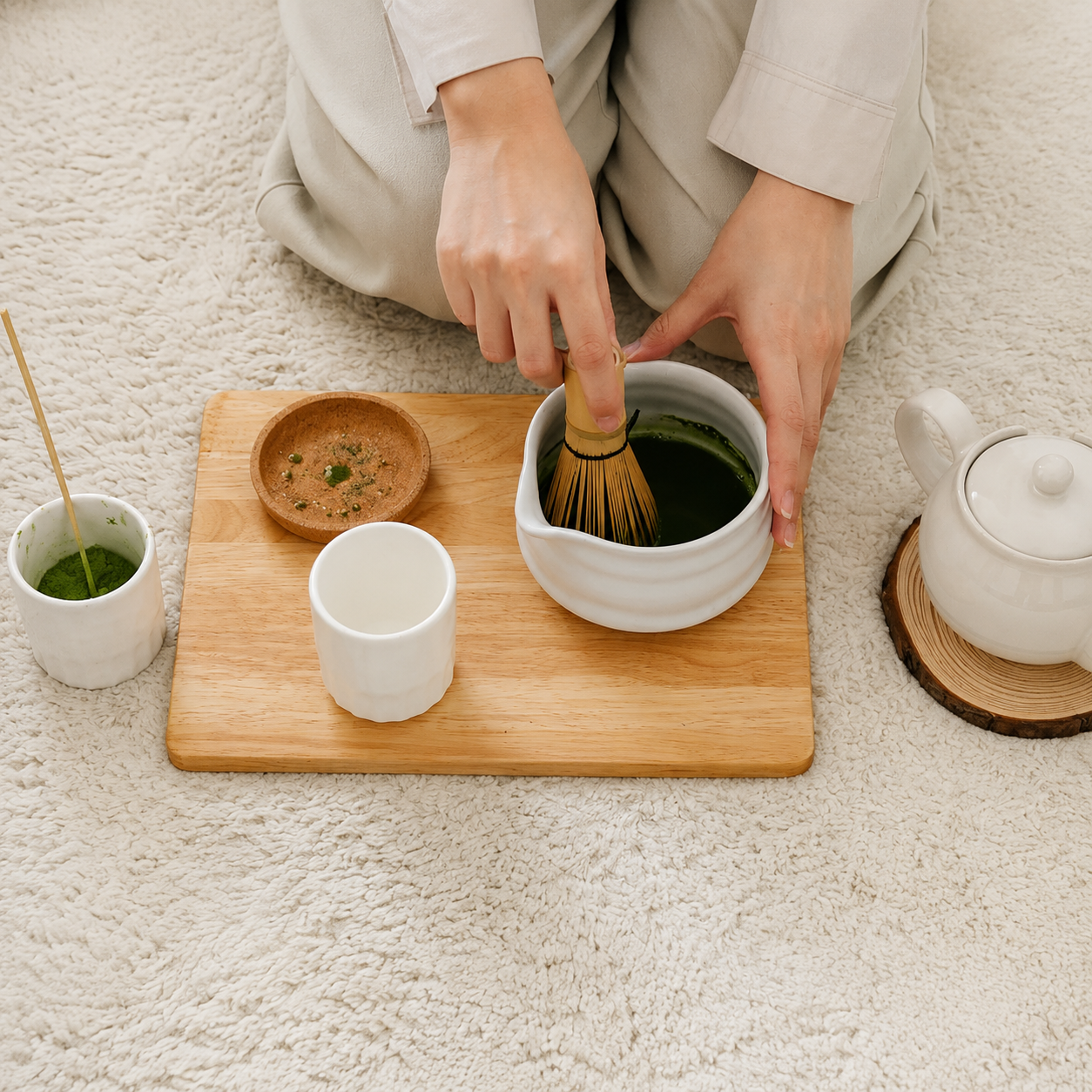
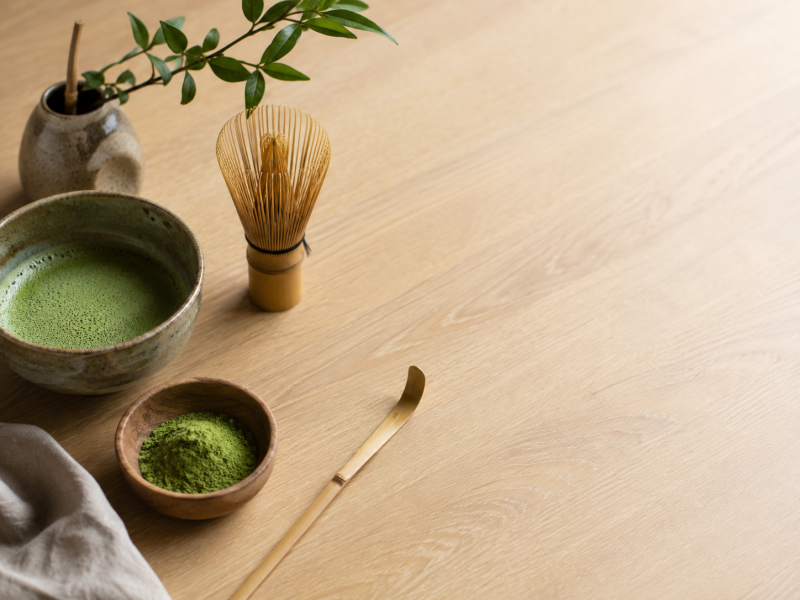
I told my friend to do this: scoop a teaspoon onto a white plate, flatten it, and look at it under natural light. No phone filters, no studio lights. That's your baseline.
Then, make a small bowl. Whisk it with water at about 170°F. Watch the color as it froths. Good matcha should be a vibrant, slightly creamy green—not neon, not muddy.
What actually fixed it
Turns out, her matcha wasn't terrible. It was just old. The harvest date on the bag was over a year ago. Once she switched to a fresher batch (within six months of harvest), the color improved dramatically.
Here's a quick checklist you can use before buying:
- Harvest date: Look for 'harvested' or 'picked' date, not just 'best by'. Within the last 6 months is ideal.
- Grind date: Matcha is ground from tencha leaves. The finer the grind, the fresher it should be. If it's pre-ground, check when it was ground.
- Country of origin: Japanese matcha is the gold standard. Chinese matcha can be good, but it's more variable.
- Color after whisking: Bright green with a slight yellow-green tint is a sign of good quality. If it turns brown quickly, it's likely old or low-grade.
Also, check your water. If your tap water is hard or high in chlorine, it can affect the color. Use filtered water if you can.
Lessons transferable
This process isn't just for matcha. The same principles apply to any product where freshness matters—coffee, spices, even tea leaves. Always check harvest dates, not just expiry dates.
Another lesson: don't judge a product on its first impression. My friend almost gave up on matcha entirely because of one bad purchase. But once she understood the color cues, she could spot quality in seconds.
Finally, trust your eyes, but verify with your taste. Color is a shortcut, but flavor is the real test. If it looks good but tastes flat, something's off.
What we would try sooner next time
If I could go back, I'd start with a small sample size before committing to a full tin. Many brands offer sample packs. That way, you can compare color and taste side by side without wasting money.
I'd also ask the vendor directly about their harvest and grind dates. If they can't answer, that's a red flag.
And for content creators specifically: use a consistent lighting setup when shooting matcha. Natural window light works best. Avoid overhead warm lights—they'll make any matcha look more yellow than it is.
One more thing: don't be afraid to return a product that doesn't meet expectations. You're not being picky; you're being smart.
So, next time you're shopping for matcha in California—online or in-store—use this checklist. It'll save you from the gray-brown disappointment and get you to the vibrant green your camera deserves.
Enjoyed this guide? Check out BrewNova's matcha collection for carefully sourced options.
Please note: This article is for informational purposes only and does not constitute medical advice. Always consult with a healthcare professional if you have dietary concerns.
Case lessons
- For content creators, matcha color signals quality and freshness. Bright green with a slight yellow-green tint is ideal; dull or brownish hues mean older leaves or poor processing. This guide walks through a practical checklist for evaluating matcha before you buy, plus common color problems and how to fix them.
- Bright, vibrant green is the sweet spot—not neon, not brown.
- Check the harvest date and grind date—freshness affects color more than grade.
- Use a white bowl for true color assessment—backgrounds lie.
- If it fades quickly in the bowl, it's likely older or stored poorly.