
Home baseline
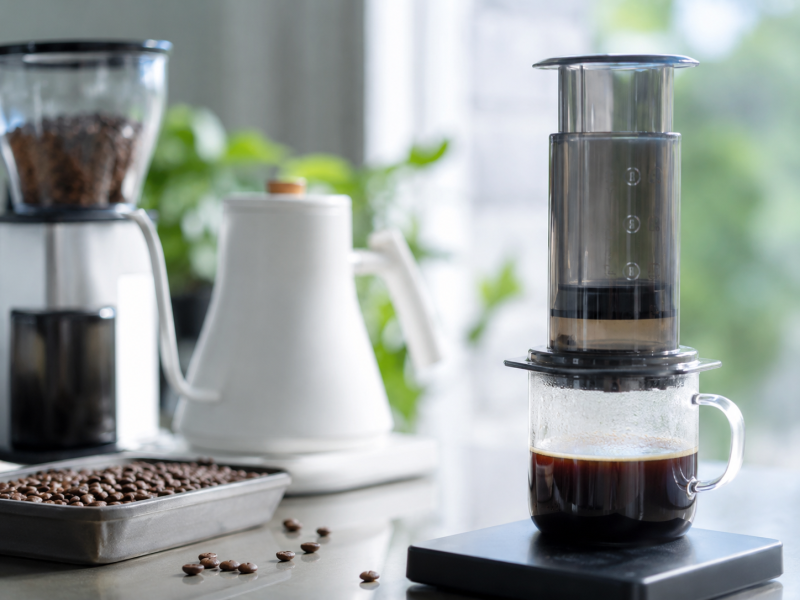
Let's start with your kitchen counter. You've got a bag of light roast, a shiny new AeroPress, and a question: is this combo actually worth the fuss? I've been there. Light roasts can be finicky—they're denser, less porous, and they extract differently than the medium roasts most of us grew up on. But when you get it right, the payoff is a cup that tastes like the farm it came from: bright, floral, almost tea-like. That's the promise.
Before you even grind, check your water. The AeroPress is forgiving, but light roasts need heat. If your tap water isn't boiling fresh, you're leaving flavor on the table. Use filtered water if you can—it makes a bigger difference than you'd think.
Workday mode
Now, imagine your morning rush. You've got fifteen minutes before a meeting, and you're reaching for that light roast. Is this a mistake? Not if you adjust. The AeroPress is actually perfect for a quick, single cup—no carafe to baby, no filter cone to fold. But light roasts need a bit more patience in the steep. Give it an extra 30 seconds over a medium roast, and you'll pull out the sweetness without the bitterness.
Here's a pro tip: use the inverted method. It's not just a party trick—it prevents the coffee from dripping through early, so you control the extraction. That extra minute of steep is where the magic happens. If you're in a real hurry, skip the scale and use the scoop that came with your AeroPress, but keep the water temperature consistent: aim for 195–205°F (90–96°C).
Travel mode
You're heading out for a weekend trip, and you can't leave your AeroPress behind. Good call. It's practically indestructible—I've tossed mine in a backpack without a case, and it's survived. Light roasts travel well, too, because they're less oily and won't go stale as fast as a dark roast. Pack a hand grinder, and you're set.
One thing I've learned: don't try to replicate your home brew exactly on the road. The water will be different, the grind might be coarser if you're using a travel grinder, and you'll likely have a paper filter instead of metal. That's okay. The AeroPress is forgiving—just adjust your steep time by taste. You'll get a decent cup, and that's better than hotel coffee any day.
Hot / cold weather tweaks
Summer hits, and the last thing you want is a hot cup. But light roast with AeroPress can be your best friend for cold brew or iced coffee. The quick extraction means you can brew a concentrate directly into a glass of ice, and the bright, fruity notes hold up beautifully when cold. That's something darker roasts can't do—they turn muddy and bitter.
In winter, a light roast might feel too delicate. You can push it by steeping a little longer or using a metal filter to add body. I've also found that a pinch of salt can cut any lingering sharpness, but that's a hack some purists will frown at. Try it—you might surprise yourself.
Reset to baseline
So, is light roast with AeroPress right for you? It comes down to what you want out of your coffee. If you're a taster—someone who likes to pick out notes of bergamot or raw honey—then yes, this pairing is a no-brainer. The AeroPress highlights clarity, and light roasts have the most to show. But if you're someone who just wants a warm, reliable mug that doesn't demand attention, a medium roast might serve you better.
Here's the thing: premium isn't about the label on the bag. It's about the ritual that gets you a cup you actually enjoy. I've seen people spend $60 on a light roast and then ruin it with boiling water and a coarse grind. Don't be that person. Start with the basics—fresh beans, proper grind, right temperature—and you'll get a cup that justifies the hype.
If you're still on the fence, buy a small batch of a single-origin light roast and a medium from the same farm. Brew both, side by side, and taste the difference. That's the only way to know. And if you find you prefer the medium, no shame—you've just saved yourself a lot of future fuss.
A quick note: everyone's palate is different, and there's no 'right' answer. What works for a barista in Portland might not work for you in a humid apartment in Miami. So experiment, keep notes, and don't let anyone tell you your taste is wrong. The AeroPress is your tool—make it work for you.