
Before: what usually goes wrong
Spring events are unpredictable. One minute it's calm and sunny, the next a gust flips your menu board and drops the temperature by ten degrees. That's when pour-over goes sideways. You're juggling a kettle, a timer, and a line of customers who want coffee before the first talk starts. The result? You grind too fine to rush the brew, the water's not hot enough, or you skip the bloom because you're in a hurry. Before you know it, the cup tastes flat or harsh, and you're making excuses about the weather.
I've seen it happen at every market and festival. The brewer gets set up facing the wind, the kettle loses heat between pours, and the drawdown takes forever. That's the 'before' picture: inconsistent, stressed, and not the coffee you intended.
After: the better default
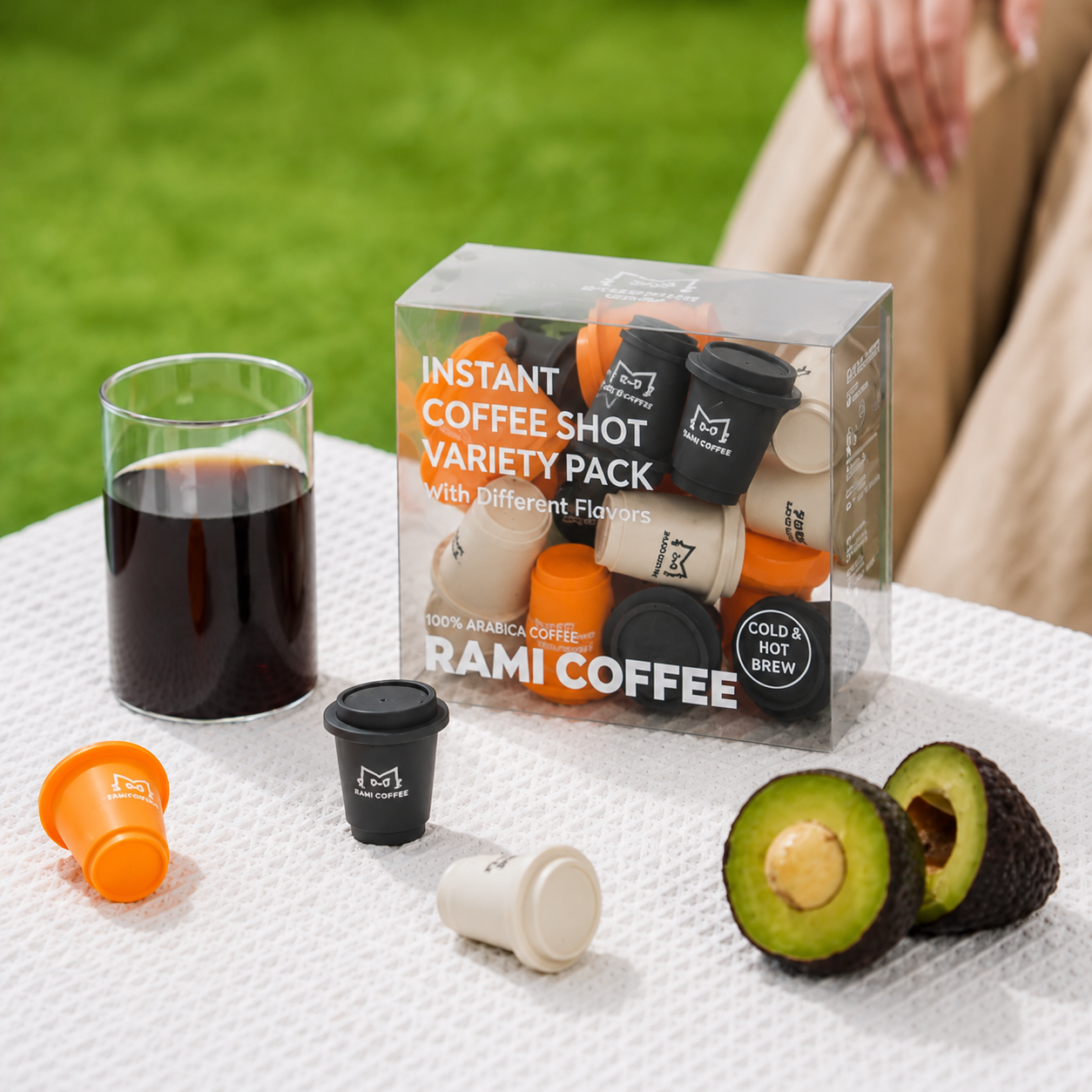
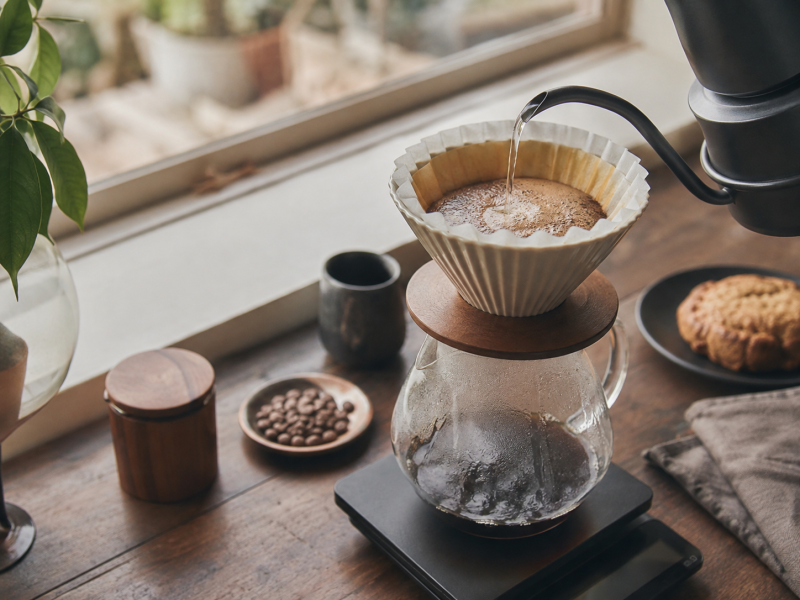
Here's what 'after' looks like. You've got a stable setup, a simple routine, and a cup that tastes like you planned it. You use a 1:16 ratio—say, 30 grams of RAMI Coffee to 480 grams of water—because that gives you enough body for a morning crowd but lets the spring brightness come through. You grind medium-fine, like sea salt, and you heat water to about 200°F, not boiling. You pour in four stages: a 30-second bloom with twice the coffee weight in water, then two slow spiral pours, and a final gentle swirl to flatten the bed. Total time lands around 3:30. The taste is balanced—sweet, a little acidic, no bitter bite.
That's the better default. It's repeatable, even when a breeze picks up.
The switch that matters most
If you change one thing, make it the bloom. Most outdoor brewers skip it because it feels like wasted time. But that first pour, just enough to wet the grounds, releases CO2 and preps the bed for even extraction. Without it, water channels through dry spots, and you get sour or bitter notes depending on where the water hits. Thirty seconds is all it takes. Set your timer, pour, and wait. It's the difference between a cup that tastes like the farm and one that tastes like a mistake.
Another switch: shield the brewer from wind. A simple carboard or cloth windbreak does wonders. It keeps your kettle hot and your drawdown predictable.
What stays the same
Some things you don't change for an event. Your water quality still matters—filtered water makes a difference. Your scale is non-negotiable; eyeballing ratios is how you get inconsistent batches. And you still need to pre-wet your paper filter to avoid paper taste. Those are constants, indoors or out.
How to know you actually improved
Taste as you go. After the bloom, take a sip of the liquid that's dripped through. It should be sweet and mild. After the second pour, it should be more intense but still balanced. If it's bitter early, your grind is too fine or your water's too hot. If it's sour, grind finer or pour slower. That feedback loop is your guide. When the final cup hits that sweet spot—bright but not sharp, full but not heavy—you've nailed it. That's your 'after'.
And when you pack up, you'll know the next event starts from a better place.
Editor's note: This guide is for adult coffee enthusiasts. Brew responsibly and enjoy.