
The 30-Day Rule: A Roast Date Benchmark Anyone Can Use
You're standing in a Georgia coffee shop at 8 AM, already thinking about the afternoon slump. The bag in your hand looks great—nice design, bold claims about single-origin beans. But flip it over. Do you see a roast date? If not, you're gambling with stale coffee.
Here's the thing: roast date is the only honest freshness signal a bag gives you. 'Best by' dates are arbitrary. 'Packed on' dates can be weeks after roasting. But a roast date tells you exactly when those beans left the roaster. For an office commuter who just wants a decent cup without obsessing over extraction ratios, this one number matters more than any tasting note.
Benchmark goal
This isn't about lab-grade measurements or cupping scores. The goal is simple: give yourself a repeatable, 30-second check you can use every time you buy coffee, whether it's from a local roaster in Decatur or a supermarket shelf in Buckhead.
A fair benchmark that works for most people:
- Buy beans roasted within the last 14 days.
- Use them within 30 days of the roast date.
- Store them properly so those 30 days aren't wasted.
If you hit that window, you're getting coffee that still has its character. Miss it, and you're drinking something that's lost its personality—flat, bitter, or just 'meh.'
Method
No special equipment needed. Here's the routine:
- Check the bag for a 'Roasted On' or 'Roast Date' label. It's usually on the bottom or the back, sometimes in small print.
- Do the math from that date to today. If it's more than 30 days, put the bag back.
- When you get home, transfer the beans to an airtight container and keep them out of direct sunlight. Avoid the freezer—it's not your friend here.
- Brew and taste. If the coffee tastes flat or overly bitter, check the date again. You'll probably find it's older than you thought.
That's it. No pH strips, no refractometers, no subscription to a coffee science journal.
Results interpretation
What does 'good' actually look like? Let's break it down:
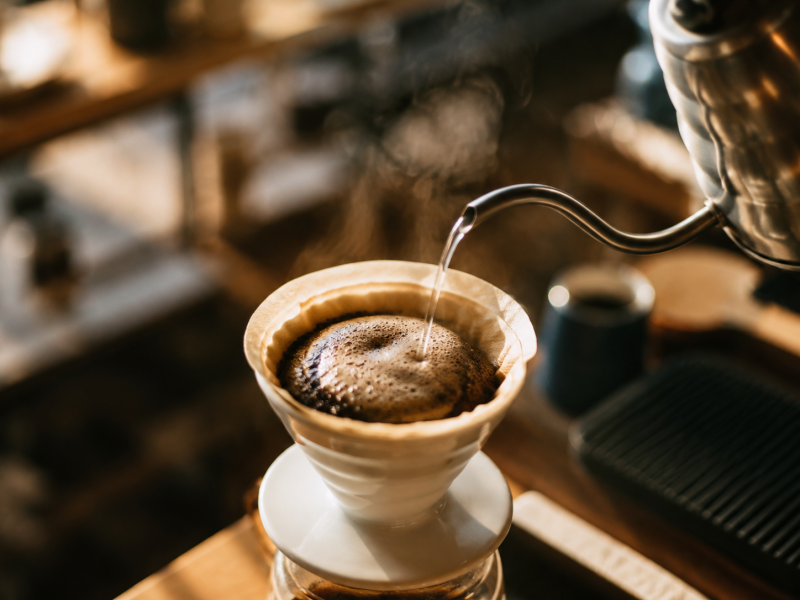
- 0–14 days after roast: This is the sweet spot. The beans are still releasing CO2, which means bloom in pour-over and crema in espresso. Flavor is at its peak.
- 15–30 days: Still fine, especially if you're using a French press or a drip machine. You might notice the aroma fades a bit, but it's still a solid cup.
- 30+ days: The beans are past their prime. You'll taste it—dull, flat, maybe a hint of cardboard. Pre-ground coffee loses freshness even faster, so if you're buying ground, aim for the 14-day mark.
One thing to remember: this benchmark is about freshness, not quality. A fresh bag of cheap beans might taste better than a stale bag of expensive ones, but it won't magically become a competition winner.
Confounders
Okay, so you found a bag with a roast date that fits the window. Does that guarantee a great cup? Not quite. A few things can throw your benchmark off:
- Storage conditions: If the shop stored the beans in a sunny window or a warm warehouse, freshness degrades faster. You can't control that, but you can ask.
- Grind size and brewing method: A coarse grind in a French press extracts differently than a fine espresso grind. Your taste buds might prefer one over the other, regardless of roast date.
- Bean origin and roast profile: A light roast from Ethiopia tastes different from a dark roast from Sumatra, even when both are fresh. Don't judge a coffee solely on the date.
- Pre-ground vs. whole bean: Once you grind, the clock speeds up. Ground coffee loses flavor within minutes, not weeks. If you can, buy whole beans and grind at home or at the shop.
So, the roast date is a necessary condition for good coffee, but it's not sufficient. You still need decent beans and a method that works for you.
What not to conclude
Don't make the mistake of thinking a recent roast date fixes everything. It doesn't. Here's what this benchmark can't tell you:
- It can't tell you if the beans are good quality. A roaster can put a fresh date on a bag of mediocre beans.
- It can't tell you if you'll like the flavor. Your preference for chocolatey notes over fruity ones is personal.
- It can't guarantee that the shop stored the beans properly before you bought them.
Treat the roast date as a floor, not a ceiling. It's the least you should expect from any decent roaster. If a bag doesn't have one—or the date is old—walk away. There's plenty of fresh coffee out there.
And if you're shopping for merch—say, a branded mug or a coffee subscription as a gift—the same principle applies. A good brand that cares about freshness will put that date on the bag. If they don't, they're probably not thinking about your cup.
For office commuters in Georgia, this is your simple freshness benchmark. Check the date, do the math, and you'll never suffer through stale office coffee again.
Note: This guide is for general consumer education. Individual taste preferences vary, and the only true test is your own palate.
Benchmark FAQs
Q: How do I find the roast date on a coffee bag?
Look for a 'Roasted On' or 'Roast Date' label, often printed on the bottom or back of the bag. Some roasters use a 'best by' date, but that's not the same—roast date is when the beans were actually roasted.
Q: What if there's no roast date on the bag?
That's a warning sign. Reputable roasters almost always include it. If you can't find one, ask the seller directly—if they can't tell you, it's probably not fresh.
Q: How long does coffee stay fresh after roasting?
Ideally, you want to drink coffee within 2 to 4 weeks of the roast date. After that, the beans start losing flavor noticeably, especially if they're pre-ground.
Sources & Further Reading
- National Coffee Association — Provides general guidance on coffee freshness and storage.
- Specialty Coffee Association — Industry standards for coffee quality and roasting.
Lite bench
- For office commuters in Georgia buying specialty coffee merch, the roast date is the single most reliable freshness indicator. A fair benchmark is to buy coffee roasted within 14 days of purchase, use it within 30 days of roasting, and adjust expectations based on how the coffee is stored and brewed. This guide explains how to run that check yourself without any lab equipment.
- Look for a 'Roasted On' date on the bag—it's the only honest freshness signal.
- A reasonable target: buy beans roasted within the last 14 days, finish them by day 30.
- Storage matters: keep beans in an airtight container away from light and heat.
- If the bag has no roast date, treat it as a red flag—you're likely getting stale coffee.
- Roast date is a starting point, not a guarantee—brewing method and bean origin also affect taste.