
Entry tier
Let's talk about getting started without spending a fortune. You can enjoy matcha in summer without a full tea ceremony setup. For iced prep, all you need is a jar with a lid or a cheap shaker bottle. Add cold water, matcha, and shake for 20 seconds. Done. That's a $5 solution if you already have a jar at home.
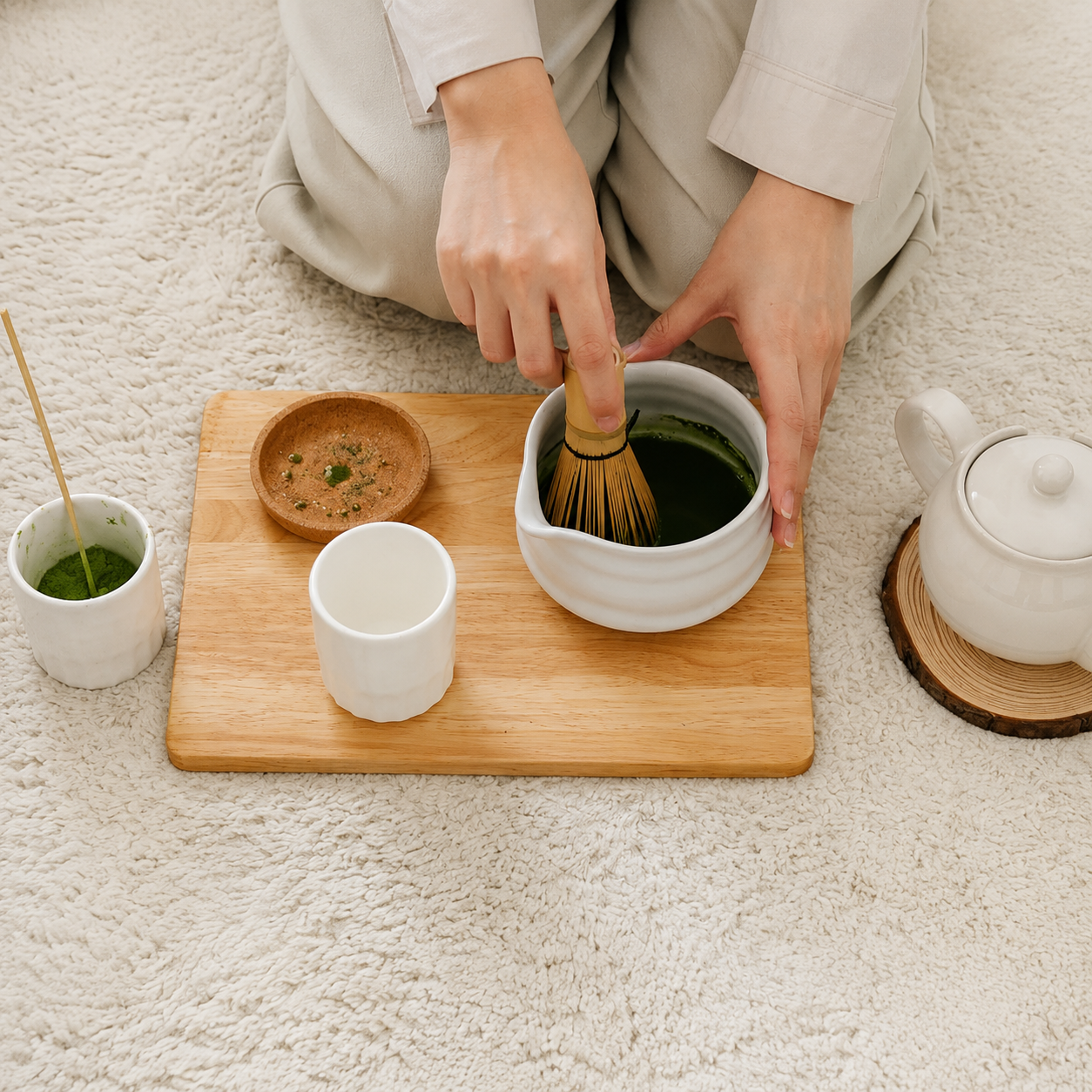
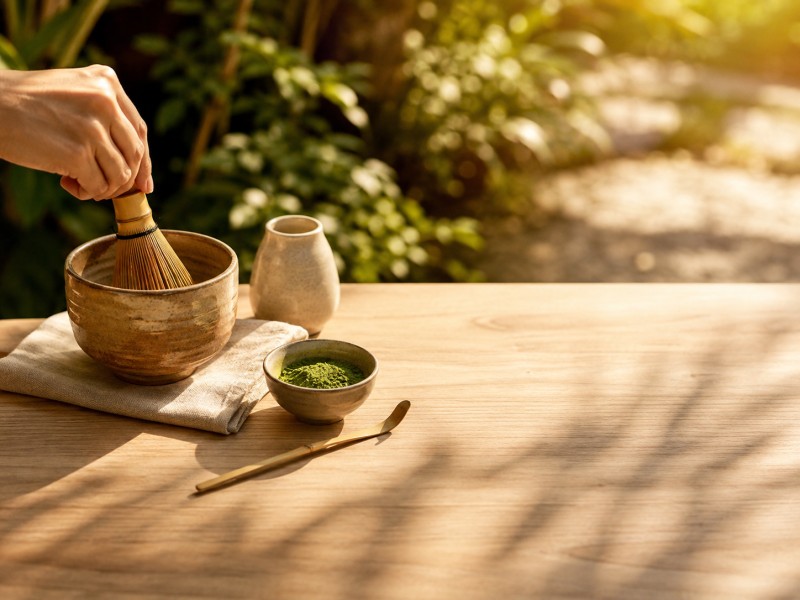
Hot whisking at entry level is trickier. A basic bamboo chasen (whisk) runs about $10–15, and you'll want a bowl too. But you don't need a fancy one—a soup bowl works fine. The key is technique: sift the matcha to avoid clumps, then whisk in a 'W' motion until frothy. It takes practice, but you'll get there.
If you're on a tight budget, iced prep wins on entry cost. But if you're curious about the traditional ritual, a starter whisk isn't a huge splurge. Just don't buy a $50 whisk right away—you won't taste the difference until you've mastered the basics.
One tip: for iced matcha, use cold water and a bit of sweetener if you like. Matcha can be bitter when cold, so a touch of honey or agave helps. For hot, a splash of milk (dairy or oat) softens the bitterness if you're new to the flavor.
Mid tier
Now you're ready for better gear. At this level, you might own a proper chawan (matcha bowl) and a higher-quality chasen. Expect to spend $30–50 on a decent set. But is it worth it? For hot whisking, yes. A good whisk creates a finer foam, which improves texture and flavor release. A bowl with ridges helps you whisk more efficiently.
For iced prep, the mid-tier upgrade is a handheld milk frother or an electric whisk. These cost around $20 and make blending effortless. You can also invest in a nice glass or tumbler designed for cold drinks. But honestly, a mason jar still works.
Here's where cost gets interesting: the matcha powder itself. At mid-tier, you might buy a good everyday matcha like BrewNova's Morning Ritual blend. It's priced reasonably and works for both hot and cold. But if you're only drinking iced, you could go with a slightly cheaper culinary grade and save a few bucks per tin. That's not a huge difference, but it adds up over the summer.
If you're someone who enjoys the ritual—the whisking, the mindfulness—you'll probably lean hot. If you're all about convenience and refreshment, iced with a frother is your speed. Both are valid, and you can switch based on your mood.
Stretch tier
Okay, you're ready to treat yourself. This is where you find premium tools and premium matcha. For hot whisking, you might splurge on a handcrafted chasen from Japan, which can cost $50 or more. Pair it with a beautiful ceramic bowl, and you're looking at $100–150 total. But the experience? Unmatched. The whisk glides through the bowl, creating a silky froth that feels luxurious.
For iced, the stretch tier might mean a high-end electric frother or a dedicated matcha mixer, though those are less common. More likely, you'll invest in a top-shelf ceremonial matcha, like BrewNova's Ceremonial Reserve, which costs around $40 per tin. In cold prep, you'll taste the difference: notes of grass and umami come through even when chilled.
Here's the catch: at this tier, the law of diminishing returns kicks in. A $100 whisk doesn't make your matcha twice as good as a $40 one. But if you're a connoisseur, the ritual and the gear are part of the pleasure. That's okay—just know what you're paying for.
What you actually pay for
Let's break it down. With hot whisking, you're paying for:
- The whisk: affects foam quality and ease of use.
- The bowl: helps with whisking and holds heat.
- The technique: time and practice to get it right.
With iced prep, you're paying for:
- The shaker or frother: speed and convenience.
- The glass or tumbler: aesthetics and insulation.
- The matcha: the same powder, but you might choose a cheaper grade.
Neither is objectively better. Hot whisking gives you a more complex cup and a meditative ritual. Iced prep is faster, cheaper, and more refreshing on a hot day. You decide which matters more.
When upgrading is pointless
If you're mostly drinking iced matcha, don't waste money on an expensive chasen. You won't use it. Instead, put that money into better matcha powder—you'll taste the difference more.
If you're a hot whisker, skip the cheap plastic whisk. It'll just frustrate you. A bamboo whisk is fine for years if you care for it. And if you're not sure which route you prefer, start entry-level with both: a jar for iced and a basic whisk for hot. That way you can experiment without a big commitment.
One thing that's always worth upgrading is the matcha itself. A mid-grade matcha will always beat a low-grade one, whether hot or iced. So if you're deciding where to splurge, choose quality powder over fancy tools.
A note for newbies: The ritual of matcha is personal. Some days you want the slow whisk, other days you want a quick shake. Both are valid. Don't let anyone tell you that one way is 'more authentic'—enjoy what fits your life.
Sources & Further Reading
- USDA FoodData Central — For general nutritional information on matcha, helping you understand what you're paying for.
Spend smart
- When summer heat hits, matcha lovers face a choice: keep the traditional hot whisk ritual or switch to iced prep. Hot whisking delivers a creamy, umami-rich cup but demands time and a quality chasen. Iced prep is faster, lighter, and more refreshing, but it can mute matcha's delicate flavors. This guide breaks down the costs and experiences of both, helping you decide based on your budget and lifestyle—no universal winner, just the right fit for you.
- Hot whisking maximizes flavor complexity but requires a higher upfront investment in tools and practice.
- Iced prep is budget-friendly and quick, perfect for hot days, but it may sacrifice some depth of flavor.
- Your choice should depend on ritual vs. convenience—both can coexist without breaking the bank.
Budget questions
Q: Is iced matcha cheaper than hot whisking?
Not necessarily. The matcha powder itself costs the same. But iced prep can be done with a simple shaker bottle or even a jar, while hot whisking often requires a chasen (bamboo whisk) and a bowl. A decent starter chasen costs around $10-15, so if you're just starting out, iced prep is friendlier on the wallet. Over time, though, the cost difference evens out because the powder is the main expense.
Q: Does hot whisking really taste better than iced?
Hot whisking brings out more umami and creaminess because the warm water helps dissolve the matcha fully and releases aromatic compounds. Iced matcha, especially when shaken or blended, tends to be more refreshing and lighter on the palate. If you're a purist who loves that rich, savory note, hot is your route. If you want a cold pick-me-up, iced is just as delicious in its own way.
Q: Can I use the same matcha for both hot and iced?
Absolutely. A good culinary or ceremonial grade matcha works for both. Just keep in mind that iced prep might mask some subtleties, so if you're using a pricey ceremonial grade, you might not taste the difference. Many people use a slightly lower grade for iced lattes to save money, but it's personal preference.