
The straight answer
If you're staring at a tin of BrewNova matcha wondering whether to boil the kettle or fill a glass with ice, here's the short version: hot matcha gives you the full, savory, umami-rich experience with a slower, more meditative ritual. Iced matcha is brighter, grassier, and more refreshing—perfect for warm days or when you need a quick pick-me-up. Neither is 'better'; they're just different expressions of the same leaf. Your choice should hinge on your daily rhythm and what you want from the cup.
Nuance most guides skip
Most comparisons stop at temperature, but the real difference is in how the flavor compounds react. Hot water (around 175°F) dissolves more of the amino acids, especially L-theanine, which gives that smooth, savory mouthfeel. Cold water keeps more of the catechins intact, which are the compounds that contribute to the grassy, slightly bitter notes. That's why iced matcha tastes 'greener' and hot matcha tastes 'creamier.'
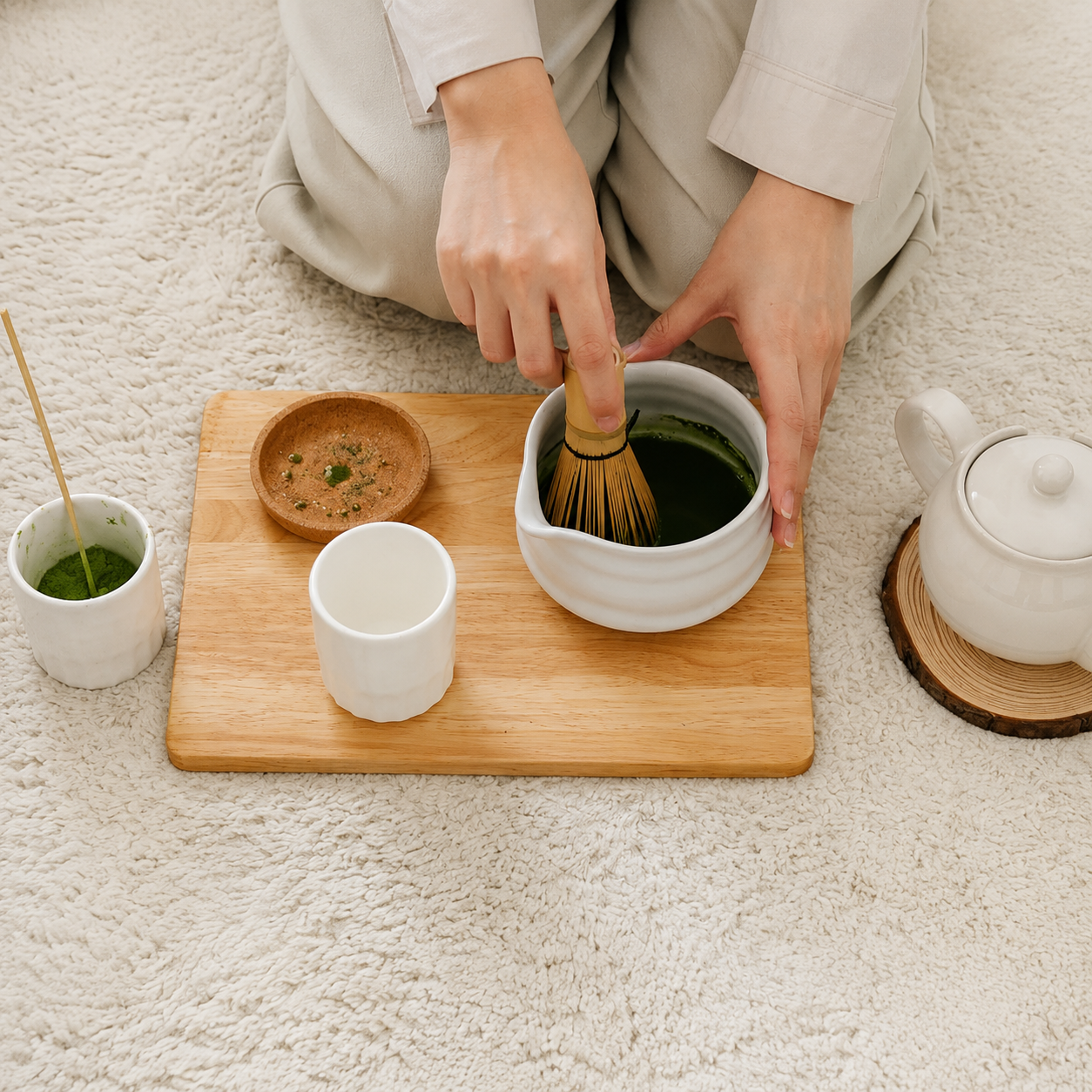
There's also the ritual factor. For many, the act of whisking hot matcha is a grounding pause in the day—a mini-meditation. Iced matcha is more utilitarian: you shake it, pour it, and go. If you're someone who enjoys the process, hot will likely feel more satisfying. If you're always on the move, iced fits your life better.
Edge cases
Now, the situations where the easy answer gets complicated. If you're new to matcha, iced is more forgiving. The cold water masks any clumping or slight bitterness, so it's harder to mess up. Hot matcha exposes every flaw—water too hot, whisking too lazy—and you'll taste it.
On the cost front, both cost about the same per serving if you're using the same amount of powder. But here's the catch: iced drinks often lead to more frequent consumption. When it's hot outside, you might find yourself making a second glass, which doubles your daily spend. Hot matcha tends to be a one-cup affair, savored slowly.
And if you're someone who adds milk, the temperature changes the pairing. Hot matcha lattes have that cozy, comforting blend of creamy and bitter. Iced matcha lattes are more like a refreshing juice-milk hybrid. Neither is wrong, but they hit different cravings.
How to test this yourself
The best way to decide is to do a side-by-side tasting. Use the same BrewNova matcha, same amount (about 1 teaspoon), and same water quality. For the hot version, whisk with 2 ounces of water at 175°F, then top with hot water or milk. For the iced version, whisk with 2 ounces of cold water, then add ice and cold milk or water.
Taste them without sweetener first. Notice the texture: hot should feel velvety, almost broth-like; iced should feel crisp and light. Then add a touch of sweetener if you like, and see which one you reach for again. Do this on a day when you have time to pay attention. Your palate will tell you more than any guide.
When the answer changes
Your choice can shift depending on the season, your mood, or even the time of day. On a chilly morning, hot matcha is a warm hug. On a sweltering afternoon, iced matcha is a relief. Some days you want the ceremony; other days you just want the caffeine. There's no rule that says you have to pick one and stick with it forever.
That's the beauty of premium matcha like BrewNova—it's versatile enough to shine in both forms. So don't feel pressured to choose a side. Buy the good stuff, learn to make both, and let your day dictate the temperature.
Disclaimer: This article is for informational purposes only and does not constitute medical advice. Enjoy matcha as part of a balanced lifestyle.