
Buy with return in mind
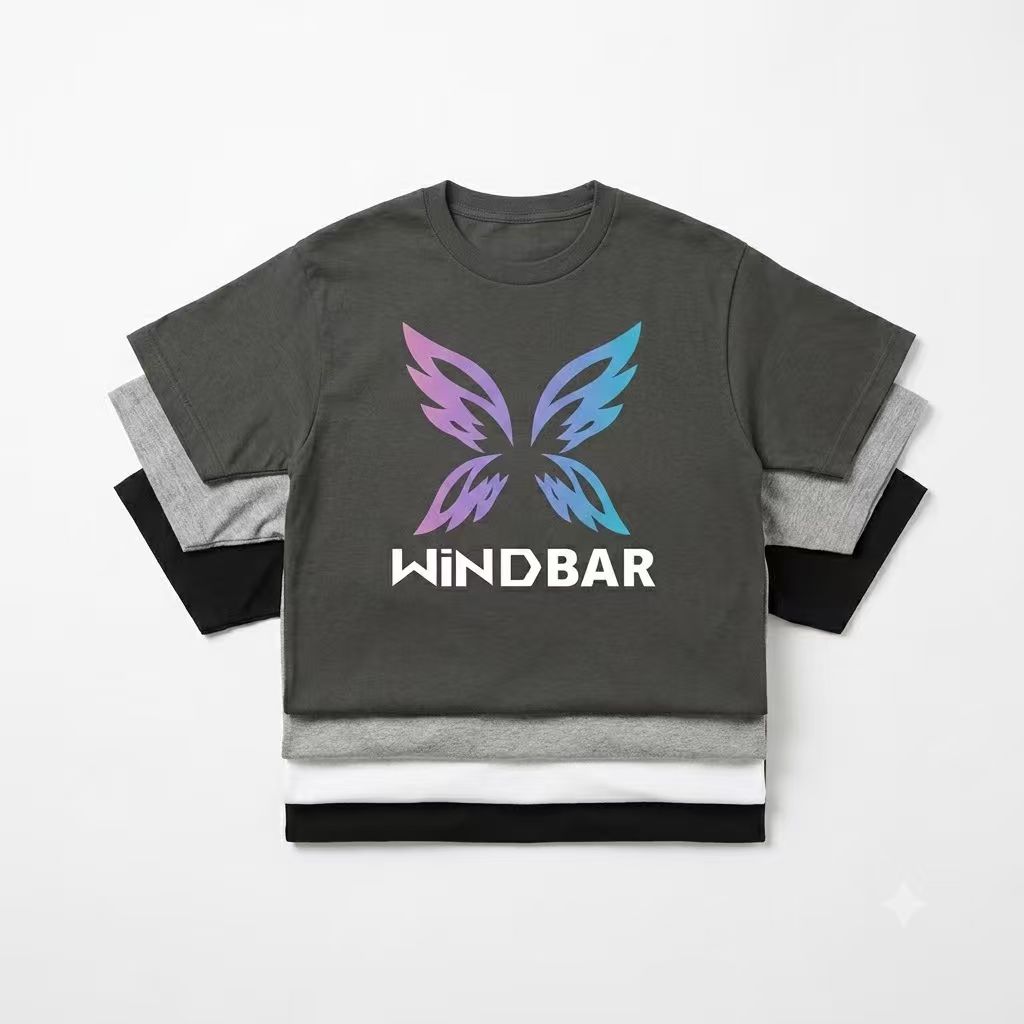
You’re a student in Florida. Budget’s tight. You’ve been eyeing that Windbar tee online, but you’re not sure if the fabric weight will work for the swampy walk between classes. Smart move: buy as if you might return it. That means checking the return policy before you click checkout. Most brands, including Windbar, give you a window (usually 30 days) to send it back if it’s unworn and tags attached. Don’t assume—read the fine print. You don’t want to be stuck with a shirt that feels like a blanket in August.
Test window plan
Once it arrives, don’t just toss it in the drawer. Give it a real test. Wear it around the dorm for an afternoon. Does it breathe? Does it cling? In Florida, humidity is the enemy, so a lighter GSM (150–180) is your friend for daily wear. But if you’re mostly in AC, a mid-weight (180–200) might feel better. Here’s a quick breakdown:
- 150–170 GSM: Light, airy, good for scorching days.
- 170–190 GSM: Balanced—not too thin, not too heavy.
- 190+ GSM: Heavier, thicker, better for cooler evenings or layering.
Your test window is your chance to figure out which works for you. Don’t rush it.
Document condition
Before you wear it out, snap a few photos. Tags on, tags off, close-ups of the fabric. This isn’t paranoia—it’s practical. If you decide to return it, you’ll have proof it was in pristine condition. Also, keep the original packaging. A shirt that’s been worn and washed? That’s a no-go for returns. But if you’ve only tried it on and kept the tags, you should be fine.
Decision day
Set a reminder for a week before the return window closes. Ask yourself: Have I worn it more than twice? Does it feel right? If you’re on the fence, here’s a tip: if you’re reaching for it more than your other tees, keep it. If it’s sitting in the pile and you’re still unsure, return it. Trust your gut—and your comfort. In Florida, a shirt that doesn’t breathe will just end up in the back of your closet.
If you keep it anyway
Sometimes you keep a shirt despite the GSM not being perfect. Maybe the design is too good to pass up. That’s fine. Just know how to make it work. A lighter tee can be layered over a tank. A heavier one can be your go-to for game days when the sun isn’t brutal. And if it’s slightly see-through, wear a white undershirt—problem solved. You’re not stuck with a mistake; you’ve just got a shirt with a plan.
A final note: this guide is for everyday buying decisions, not for health or safety claims. Always check the specific product’s care instructions. And remember, returns are easier when you’ve done your homework. Buy smart, test early, and don’t settle for a shirt that doesn’t work for your life in Florida.
Regret plan
- For Florida students, GSM weight matters more than you’d think—lighter tees breathe better in humidity, while heavier ones hold up in AC. This guide walks you through choosing the right Windbar shirt, testing it within the return window, and knowing when to keep it.
- GSM (grams per square meter) tells you fabric weight: lower GSM = lighter, higher = heavier.
- In Florida’s heat, aim for 150–180 GSM for daily wear; save 200+ GSM for cooler days or layering.
- Always check Windbar’s return policy before buying—you’ll want a clear window to test at home.
- Document the condition of your shirt right away (photos, tags) to make returns hassle-free.
- If you’re on a budget, consider a classic fit in a mid-weight GSM—versatile for most Florida weather.
Sources & Further Reading
- FTC: Consumer Returns Policy — Reference for understanding return rights and retailer policies.
- TextileExchange: Fiber & Fabric Weight — Educational resource on fabric weight terminology used in the apparel industry.
Returns FAQs
Q: What GSM should I choose for Florida heat?
For everyday wear in Florida’s humidity, go with 150–180 GSM. That’s light enough to breathe but not see-through. If you’re mostly in air-conditioned spaces, you might prefer 180–200 GSM for a bit more structure.
Q: Can I return a Windbar tee if I don’t like the GSM?
Most brands, including Windbar, allow returns within a certain window (often 30 days) if the item is unworn and tags attached. Always check the product page or contact support to confirm. Keep the original packaging just in case.
Q: How do I know if a T-shirt is too heavy or too light?
A quick test: hold it up to the light—if you can see through it, it’s likely under 150 GSM. Heavier tees (200+ GSM) feel thicker and more substantial. But the best test is wearing it: if it clings or feels suffocating in humidity, it’s probably too heavy for Florida.