
You can fly with a vape. Most people do. But most people also break at least one rule without knowing it. And that rule, in the wrong country, can cost more than your plane ticket.
Here is the definitive guide to flying with a vape in 2026.
The TSA rule (US flights). Vaping devices must be in carry-on luggage only. Not checked. Never checked. Lithium-ion batteries in the cargo hold are a fire risk, and airlines treat them accordingly. If TSA finds a vape device in your checked bag, they will remove it. You will not get it back. This is not a negotiation.
The battery rule. Loose batteries must be in a protective case. Not loose in your bag. Not rolling around with your charging cable. A loose battery contacting metal objects — coins, keys, the zipper of your bag — can complete a circuit and short. A short in a lithium-ion cell at 30,000 feet is not a scenario you want to be part of. Battery cases cost $3. Buy one.
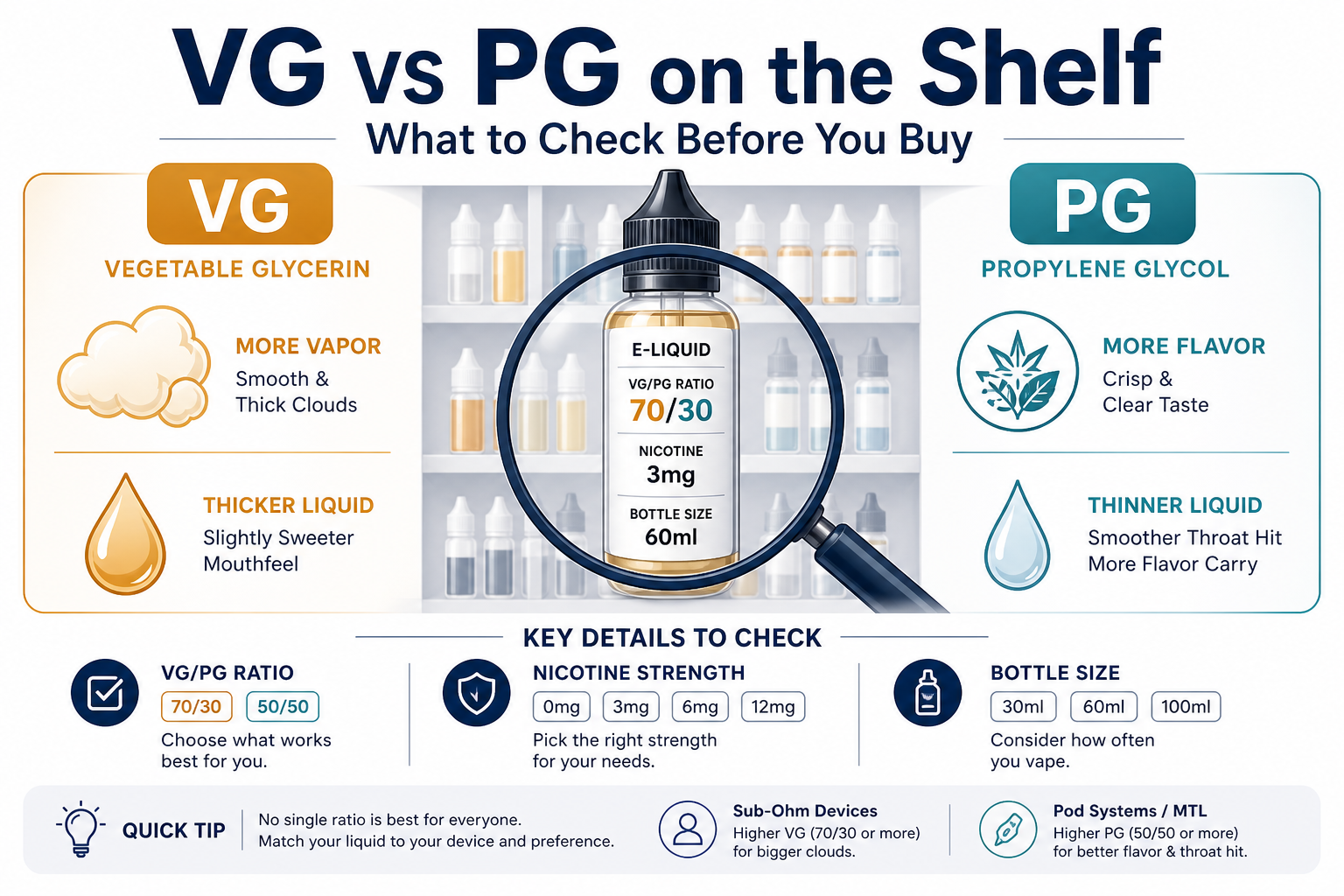
The liquid rule. E-liquid is subject to the same 100ml container limit as all liquids in carry-on. That means your 60ml bottle is fine. Your 120ml shortfill is not, unless it is under 100ml remaining. Put all e-liquid bottles in a clear, resealable plastic bag. The 1-liter bag rule applies. One bag per passenger. Fit everything in.
The tank and pod rule. Empty your tank or pod before the flight. Cabin pressure changes will force liquid out of any tank that is not completely empty or completely full. A tank that is half-full at takeoff will be leaking by cruising altitude. You will open your bag to find e-liquid on everything. Empty the tank. Put it in a sealed bag. Refill when you land.
The rule that changes by country. You can fly with a vape on a US domestic flight. You can fly with one on a UK domestic flight. You can fly with one on most EU flights. But you cannot fly with one to Singapore. You cannot fly with one to Thailand. You cannot legally fly with one to Mexico. The device is legal at your departure airport. It is illegal at your destination. The airline does not care. Destination customs does.
Before you fly internationally, check the vaping laws of your destination country. Not the airline's policy. The country's law. The airline will let you board with a vape. The customs officer at the other end will confiscate it — or worse.
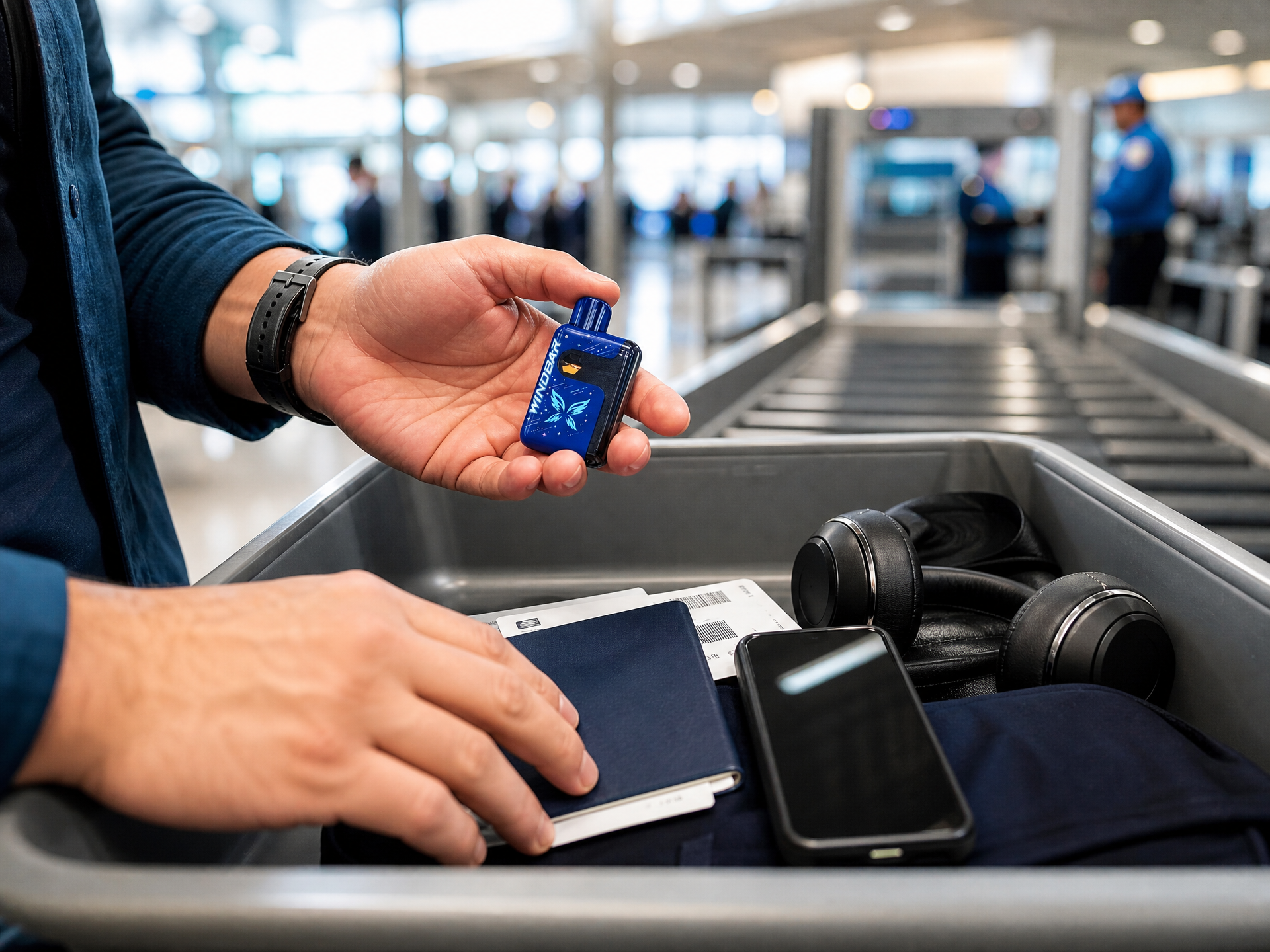
The TSA screening process. Take your vape device out of your bag and place it in the screening bin, same as a laptop. It is an electronic device with a battery. It triggers the same screening protocols. Putting it in the bin saves time. Putting it through inside your bag means a bag check. Bag checks add 15 minutes. Do not be the person adding 15 minutes to the security line.
The takeaway: Carry-on only. Battery case. Empty tank. Liquid in the clear bag. Check destination laws before you buy the ticket. The rules are not complicated. The consequences of ignoring them are. This content is intended for adults 21 years of age or older. Nicotine is an addictive chemical. The information provided is for educational and informational purposes only and does not constitute medical or legal advice. If you are considering using vaping products as an alternative to smoking, consult with a qualified healthcare professional. Product reviews and recommendations are based on publicly available information and independent evaluation; Windbar makes no representation regarding the FDA marketing authorization status of any third-party products mentioned. This content is not a substitute for review by a licensed attorney.
© 2026 Windbar. All rights reserved.