
First glance (10 seconds)
You're standing in the coffee aisle, and the shelf is packed with drippers, kettles, scales, and filters. It's a lot. But here's the thing: you don't need half of it.
Start by looking at the drippers. You'll see plastic, ceramic, glass, and metal. They all make coffee, but they behave differently. For a first setup, a plastic V60 or a ceramic Kalita Wave is a safe bet. Plastic holds heat better than you'd think, and it's cheaper. Ceramic looks nicer but takes longer to warm up.
Next, glance at the kettles. You'll notice some have gooseneck spouts, others don't. That curved spout isn't a gimmick—it gives you control over the pour. If you're serious about pour-over, a gooseneck is worth it.
Finally, check the filters. Paper or metal? Paper gives a cleaner cup, metal lets more oils through. For bright, floral spring roasts, paper is the way to go.
Specs worth reading
A few numbers actually matter when you're shopping.
- Kettle capacity: 1 liter is plenty for a couple of cups. You don't need a giant kettle.
- Scale precision: Look for 0.1g increments. That's enough for consistent brews. You don't need lab-grade accuracy.
- Dripper size: 02 size is the standard—fits 1–4 cups. More than enough for most people.
- Filter type: Make sure the filters match your dripper. V60 uses cone filters with a seam, Kalita uses flat-bottomed ones. Getting this wrong is a common mistake.
These specs make a real difference in your daily routine. The rest is marketing.
Specs to ignore
Some features are pure hype, especially for beginners.
- Temperature control kettles: Nice, but you can get close enough with a simple kettle and a thermometer. Save your money.
- Dosing funnels: A neat accessory, but you can use a paper clip or just tap the grinder. Not essential.
- Expensive scales with timers: Your phone has a timer. Any scale with 0.1g precision works.
- Stirrers and agitators: A chopstick works fine for stirring the bloom.
Don't let flashy features distract you. The basics get you 90% of the way.
Questions for staff
A good shop will have staff who know their stuff. Ask them these:
- "Which filters fit this dripper?"—Make sure you grab the right ones.
- "What's the grind size for this method?"—They might even grind a sample for you.
- "What's the ratio you recommend?"—Get a starting point from someone who's tried it.
- "Do you have a pour-over demo?"—Some shops will show you the technique. That's gold.
Don't be shy. These questions save you from trial-and-error at home.
Checkout decision
Before you pay, run a quick mental checklist:
- Dripper and filters match.
- Kettle has a gooseneck (or you're okay with a regular one).
- You have a scale with 0.1g precision.
- You know your starting ratio (1:16) and water temperature (~200°F).
If you've got those, you're set. You can always add accessories later, but this is the core kit.
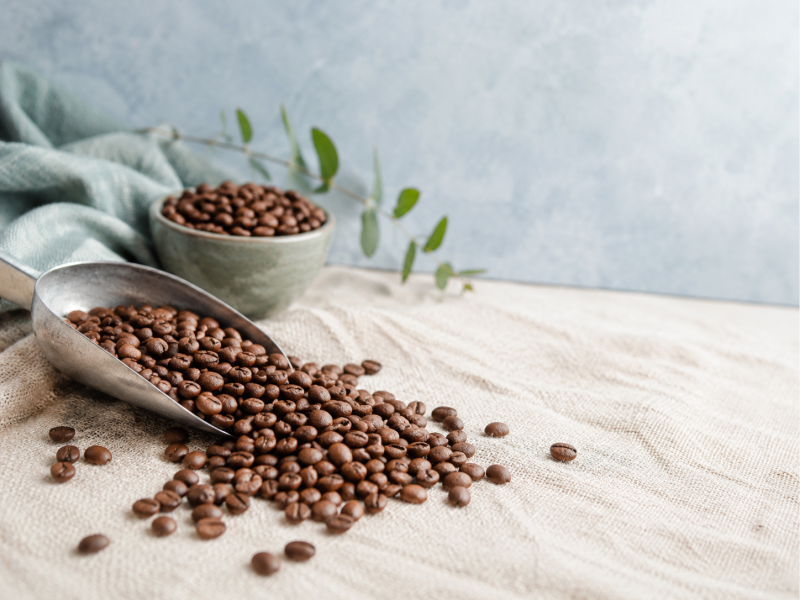
One more thing: grab a bag of light or medium roast beans. Something with fruity or floral notes is perfect for spring. Ask the staff for a recommendation—they'll point you to something that suits your taste.
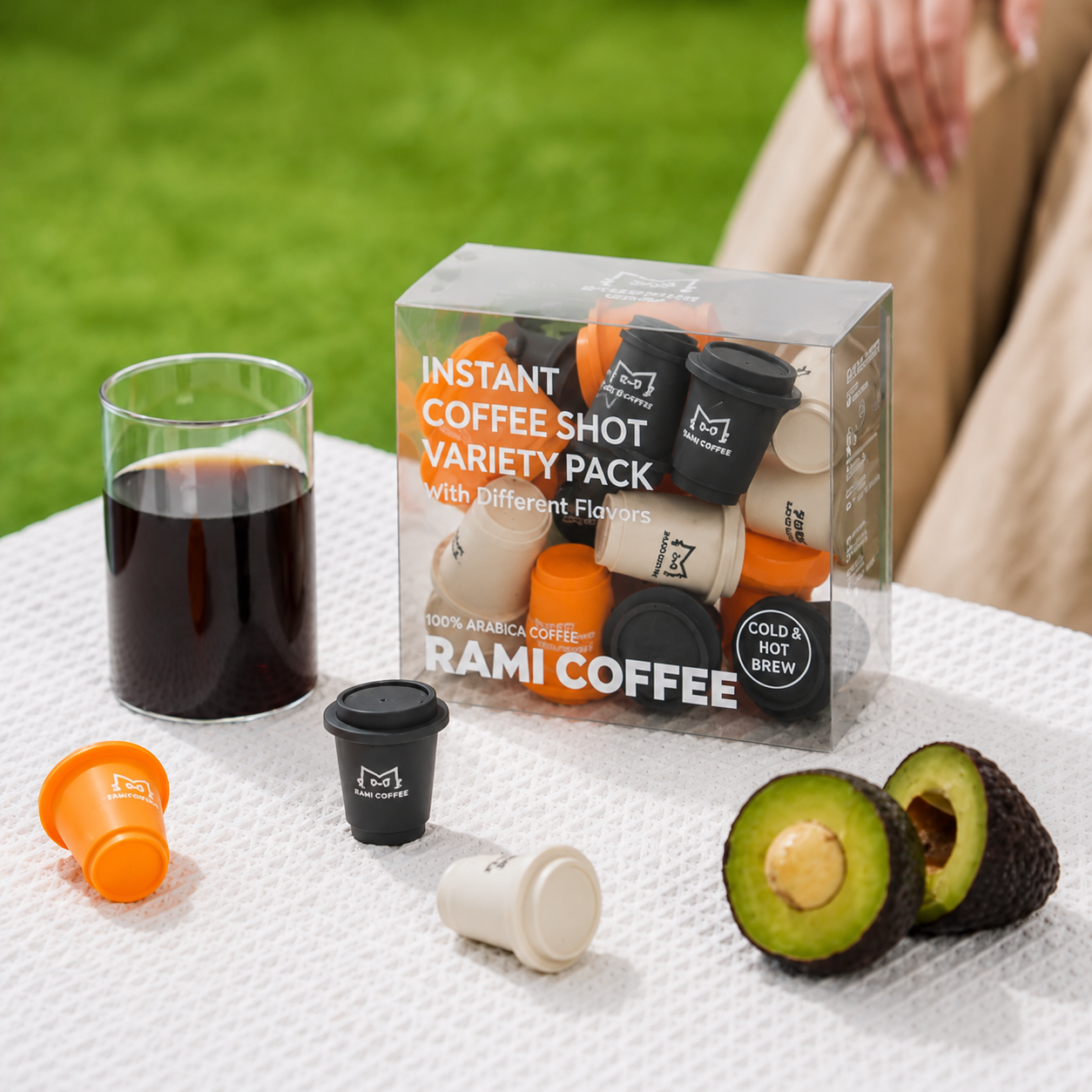
Now go home and brew. It'll take a few tries to get it right, but that's part of the fun. And if you're looking for gear, RAMI Coffee has a few options that fit the bill—nothing flashy, just solid stuff that works.
Remember, this guide is for adults 21+ only. Brew responsibly, and enjoy the process.
Sources & Further Reading
- Specialty Coffee Association — Provides general guidelines on brew ratios and water temperature, useful for beginners.