
Myth #1: Culinary grade matcha is just 'bad' matcha
There's a common idea that culinary grade matcha is the leftover, low-quality stuff that wasn't good enough to drink. That's not really accurate. Culinary grade matcha is a specific grade, grown and processed to hold up against strong flavors like sugar, butter, and chocolate in baking and cooking. It tends to be a bit more robust and slightly more bitter than ceremonial grade, which is meant to be drunk straight with water. That doesn't make it worse—it makes it different. If you're baking a matcha loaf or whisking up a latte, culinary grade is often the smarter choice because it won't get lost in the other ingredients.
A quick way to tell the difference? Ceremonial grade is usually a vibrant, bright green, while culinary grade might be a deeper, slightly duller green. The flavor is more assertive, which is exactly what you want in a recipe that has competing tastes. So next time you see culinary grade on a label, don't skip it—it's a tool, not a compromise.
Myth #2: Boiling water is fine for matcha
This is a common mistake, even among people who've been making matcha for a while. If you pour boiling water over any matcha—ceremonial or culinary—you'll scorch it. The heat releases too many tannins, and you end up with a bitter, astringent brew that tastes nothing like the smooth, grassy notes you're after. For culinary grade, the ideal water temperature is around 175°F (80°C), which is just below boiling. If you don't have a thermometer, let your kettle rest for a minute or two after it boils, and you'll be in the right ballpark.
What does that mean for you? If you're making a matcha latte or mixing it into a cake batter, use water that's been cooled slightly. It's a small step that makes a big difference in flavor. Trust me, your taste buds will thank you.
Myth #3: Any whisk will do
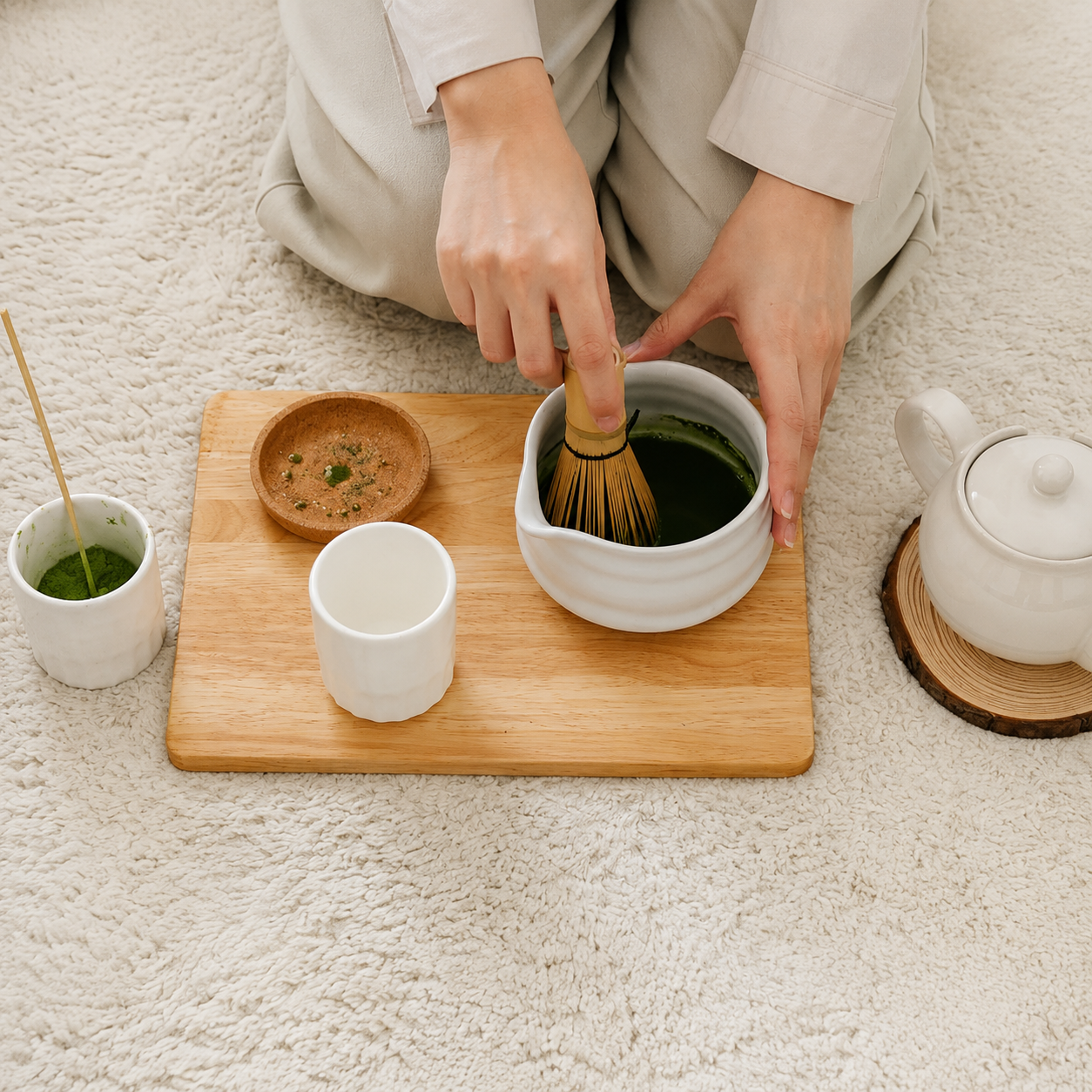
You might think a fork or a regular whisk is fine for mixing matcha, but there's a reason matcha ceremonies use bamboo whisks. The chasen (bamboo whisk) has fine tines that help break up clumps and create a smooth, frothy texture. A fork can get the job done, but you'll likely end up with lumps and a less vibrant color. The difference isn't just cosmetic—it affects the mouthfeel and how well the matcha blends with other ingredients.
If you don't have a chasen, you can use a small electric frother or even a blender for baking applications. But if you're serious about matcha, investing in a bamboo whisk is worth it. It's one of those small tools that makes a noticeable difference, and it's not expensive.
What actually helps in real use
So what does make a difference when you're using culinary grade matcha? Here's what I've found after many batches of cookies, cakes, and lattes:
- Sift your matcha first. Matcha tends to clump, and sifting before whisking or mixing prevents lumps. It takes ten seconds and improves the texture of your final product.
- Start with a simple ratio. For a latte, try 1 teaspoon of matcha per 2 ounces of milk or water. For baking, 1 to 2 tablespoons per batch is a good starting point. Adjust based on your taste and the recipe.
- Mix with a little liquid first. If you're making a paste or adding matcha to a batter, whisk it with a small amount of warm liquid (milk or water) to get a smooth consistency before adding it to your other ingredients. This prevents clumps and ensures even distribution.
- Don't overmix. Once you've added matcha to a batter, mix just until combined. Overmixing can make baked goods tough and bring out bitterness.
These are simple, practical steps that don't require fancy equipment, but they make a real difference in the final taste and texture.
How to sanity-check marketing claims
Matcha brands love to throw around terms like 'premium' and 'ceremonial' to justify higher prices. But what do those words actually mean? Here's a quick guide to cutting through the hype:
- Color: Matcha should be a vibrant green. If it's dull, yellow, or brown, it's likely old or low quality. This applies to both culinary and ceremonial grades.
- Origin: High-quality matcha usually comes from Japan, specifically regions like Uji or Nishio. That's not a guarantee, but it's a good sign.
- Freshness: Matcha is best when it's fresh. Check the harvest date if it's listed—ideally, you want something from the current season.
- Price: You get what you pay for. If a matcha is suspiciously cheap, it's probably not great. But expensive doesn't always mean better, either. You're paying for quality, but also for brand and packaging.
When you're buying culinary grade matcha, think about what you're using it for. If you're baking, you don't need the most expensive ceremonial grade—a good culinary grade will do the job without breaking the bank. Just make sure it's fresh and bright green, and you're on the right track.
Always follow package instructions for best results. This guide is for general reference and doesn't replace specific product guidance.
Reality check
- Culinary grade matcha is not a lower-quality product, but a specific grade designed for cooking and baking. Proper water temperature (around 175°F/80°C), a bamboo whisk, and the right ratios make a significant difference in flavor and texture. Learn to separate marketing hype from practical reality in your kitchen.
- Culinary grade matcha is more robust and slightly more bitter, which is ideal for recipes with other strong flavors.
- Water temperature matters: aim for 175°F (80°C) to avoid scorching the matcha and turning it bitter.
- Use a bamboo whisk (chasen) for a smooth, clump-free mix; a fork or spoon can work but won't give the same texture.
- Start with 1 teaspoon of matcha per 2 ounces of liquid, then adjust to taste.
- Always sift your matcha before whisking to prevent clumps.