
The claim: Your vape isn't broken—it's just cold
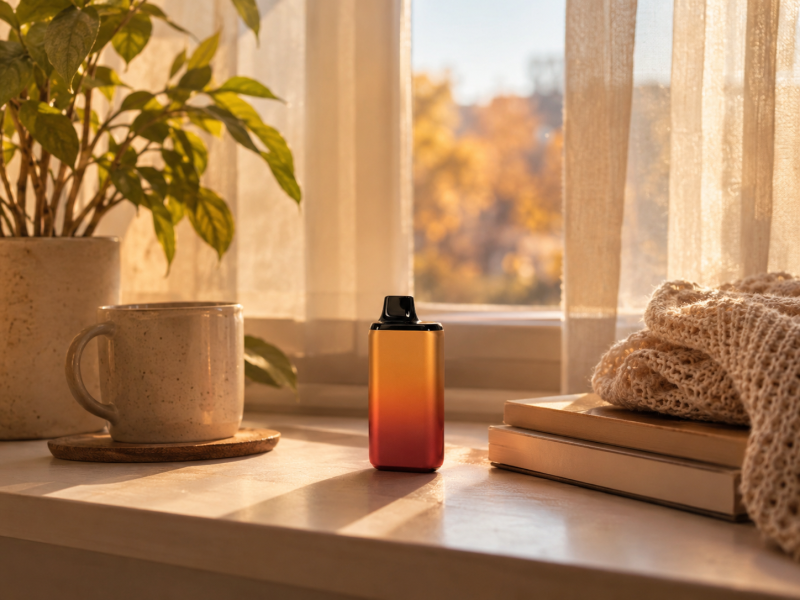
Here's a bold statement: most "dead" or "weak" disposables in fall aren't dying. They're cold. Drop a fully charged disposable in a chilly car for an hour and it will hit like it's on its last puffs. Warm it up and it comes right back. That's not magic. That's physics.
E-liquid is mostly vegetable glycerin and propylene glycol, and both get thicker as temperatures drop. Thicker liquid doesn't soak into the wick as easily, so the coil gets less juice. Less juice means less vapor, weaker flavor, and sometimes a harsh, dry taste that makes you think your device is toast.
This is something I've seen countless times when helping adult users troubleshoot their devices in colder months. The fix is almost always warmer storage and a tweaked draw technique.
Evidence that supports it
You don't need a lab to see this in action. Think about what happens to honey in the fridge—it flows slowly. Warm it up and it pours. Same idea with e-liquid.
Here's what you can test yourself:
- The pocket test: Put your disposable in your jacket pocket for five minutes. Take a hit. Compare it to one that's been sitting in a cold backpack. The warm one will almost always produce more vapor and taste fuller.
- The draw test: With a cold device, take a long, slow drag instead of a quick puff. The coil needs extra time to heat the thicker liquid and turn it into vapor. Slow and steady wins this race.
- The shake test: A gentle shake before use mixes the liquid and helps it flow into the wick. It's not a fix-all, but it helps in a pinch.
These aren't just my observations—they're consistent with how vape hardware is designed to work. Manufacturers optimize wicking for room temperature, so it's normal for performance to dip when the mercury does.
Where the claim breaks
Of course, not every weak hit is a cold-weather issue. If your device still performs poorly after warming up, you might be dealing with something else:
- Battery is actually low: Cold can reduce battery efficiency, but if it's genuinely drained, warming won't bring it back.
- Coil is burnt: If you've been vaping through a dry wick (which happens faster in cold weather), the coil can get scorched. That burnt taste won't go away with heat.
- Device is defective: Sometimes you get a dud. If warming and proper draw technique don't help, it might just be a faulty unit.
Also, note that extreme cold can cause the battery to temporarily underperform. Once the device warms to room temperature, it should work normally. If not, it's time to replace it.
Who should ignore this take
If you vape mostly indoors in temperature-controlled spaces, cold weather probably isn't your problem. You can skip the pocket-warming routine and keep vaping as usual.
Similarly, if you use a device with a high-powered coil or adjustable airflow, you might not notice a huge difference—those systems are built to handle thicker liquids better. But for most standard disposables, cold is the enemy.
And if you're the type who leaves your vape in the car overnight, you're the one this guide is for. Start bringing it inside.
What to do with it
Here's a practical fall routine for anyone who uses disposables outdoors:
- Store it warm: Keep your device in an inner pocket or an insulated case when you're outside. Body heat is your best friend.
- Warm before use: If it's been sitting in a cold bag, give it a few minutes in your pocket before your first hit.
- Adjust your draw: Take slower, longer puffs. This gives the coil time to vaporize the thicker liquid.
- Shake gently: A quick shake before use helps the liquid flow.
- Don't charge cold: If your device has a USB port, let it warm up to room temperature before plugging in.
These habits won't turn a dud into a star, but they'll keep a good device performing like it should through the colder months.
Why Your Disposable Vape Tastes Different in Fall
Beyond the weak hits, flavor can also shift. Cold e-liquid has less aroma—the same reason a cold beer tastes blander than a warm one. Once the liquid warms, the flavor compounds become more volatile, and you get the full profile.
If you notice a muted taste, don't assume the flavor is fading. Warm the device and try again.
Keep Your Device Clean and Dry
Fall brings rain and condensation. Moisture can get into your device's charge port or airflow openings, which can cause gurgling or even damage the battery. Wipe your device with a dry cloth if it gets wet, and let it air out before charging.
Don't use a hairdryer or heater to dry it—that can warp the plastic or overheat the battery.
The Bottom Line
Cold weather affects disposable vapes because it thickens the e-liquid and slows down wicking. The fix is simple: keep your device warm, take slower draws, and store it properly. Most performance issues in fall are temporary and resolve once the device reaches room temperature.
If you're still having trouble, it might be time to replace the device or check if it's genuinely faulty. But for most users, a little pocket time makes a world of difference.
For more tips, check out the Windbar Community where adult vapers share their own cold-weather hacks.
Keep / discard
- Cold weather can noticeably change how a disposable vape performs because lower temperatures increase e-liquid viscosity, making it harder for the coil to wick properly. Warming the device to room temperature and adjusting your draw technique are the most effective ways to maintain consistent flavor and vapor production. These simple habits help outdoor users get the most from their device all fall long.
- Cold thickens e-liquid, so warming your device before use keeps the wick saturated and flavor intact.
- Slow, steady draws work better in cold weather than quick puffs—they give the coil time to heat the thicker liquid.
- Store your vape in an inner pocket or insulated case to keep it at a stable temperature when you're outside.