
What GSM Actually Means for Your Windbar Tee
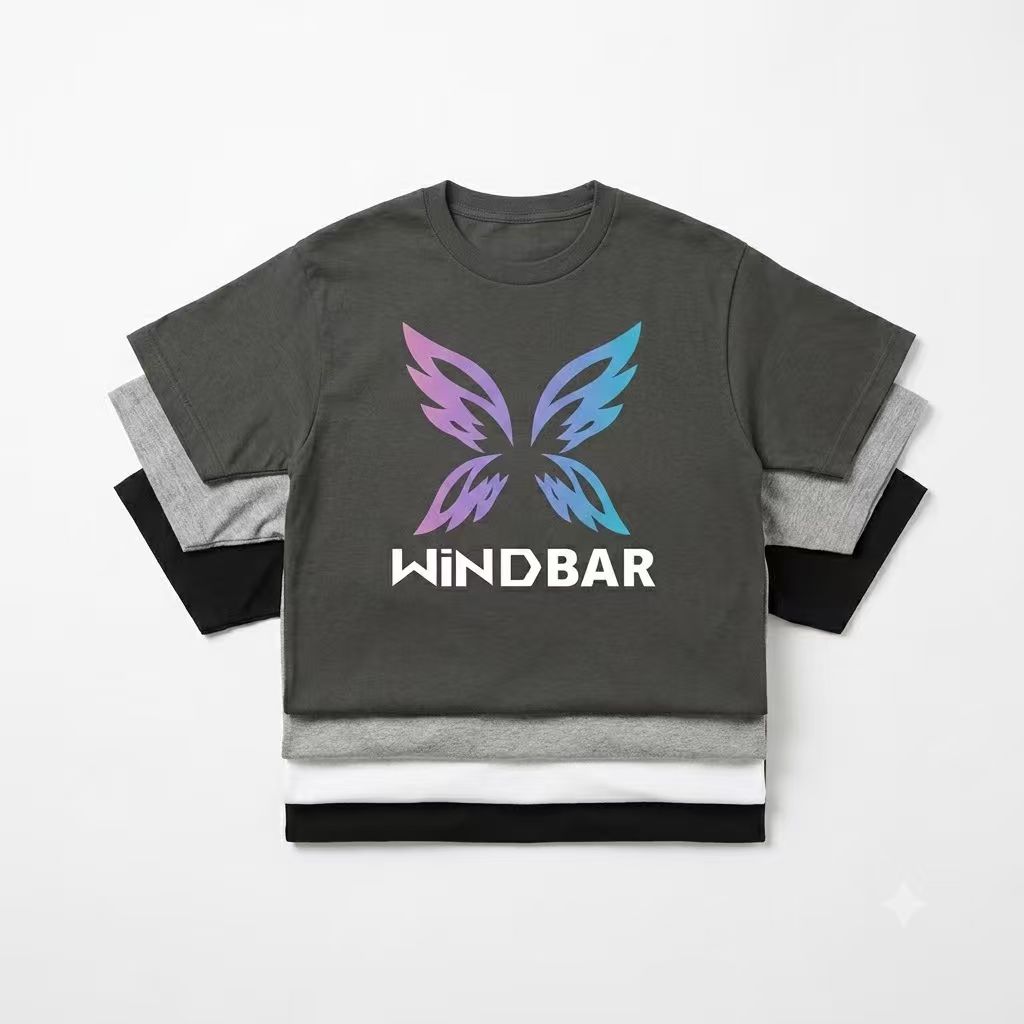
If you've ever picked up two black tees that look identical but feel completely different, GSM is the reason. GSM stands for grams per square meter—basically, how much the fabric weighs per square meter of cloth. A 150 GSM tee is light and drapey, great for layering or scorching days. A 200 GSM tee is heavy, stiff, and built to last decades. Windbar's 180 GSM sits right in the middle, which is why it's a favorite for minimalists who want one tee that does everything.
For Georgia specifically, the humidity is the enemy of heavy fabrics. A 200 GSM tee might feel like a sauna in August. A 150 GSM tee might feel too flimsy for cooler evenings. 180 GSM gives you that sweet spot: it breathes well, resists wrinkles, and holds its shape after multiple washes.
When Your Tee Is Young: Early-Life Issues
You just got your Windbar tee. It looks perfect. But the first few washes are where problems can sneak in. Here's what to watch for:
- Fabric shrinkage: Even pre-shrunk cotton can shrink a bit. If your tee shrinks more than a half-size after the first wash, you might have a defective batch. Contact Windbar support.
- Color bleeding: Dark tees sometimes bleed in the first wash. Wash with cold water and like colors to avoid surprises.
- Stitching loose: Check the hem and collar for loose threads. A few loose threads are normal, but if the stitching pulls apart, that's a quality issue.
These aren't reasons to panic. Every tee needs a break-in period. But if you see major shrinkage or seam failure within the first three washes, that's a sign to replace it under warranty.
Mid-Life Wear Signs: When It Starts to Change
After six months to a year of regular wear, your tee enters its mid-life. The fabric starts to soften, which is good—it feels broken in. But you'll also start to see signs of wear:
- Collar stretching: The neckline might start to look like a boat neck. That's a sign the ribbing is losing its elasticity.
- Fabric thinning: Hold the tee up to light. If you can see through the fabric easily, it's thinning out.
- Pilling: Little balls of fuzz forming on the surface. This is more common on lower GSM tees, but it can happen to any tee with friction.
At this point, you might still get a year or two of wear. But if the collar is so stretched it looks sloppy, or the thinning is in high-friction areas (underarms, elbows), it's time to think about replacement.
End-of-Life Signals: When to Let Go
Every tee has a lifespan. For a 180 GSM tee, you should get two to three years of regular rotation. Here's when you know it's over:
- Holes or tears: Any visible hole is a sign the fabric is compromised. Small holes can be repaired, but they'll reappear.
- Permanent wrinkles: If the fabric is so creased that ironing won't fix it, the cotton fibers are broken down.
- Loss of shape: The hem twists, the shoulders droop, and the tee doesn't sit right anymore.
- Stains that won't come out: Oil stains, bleach spots, or mystery marks. If you can't get them out, the tee is retired.
When a tee reaches this stage, no amount of repair will bring it back. It's time to replace it.
Repair vs. Replace: The Minimalist's Math
As a minimalist, you care about longevity. But there's a point where repairing costs more than replacing. Here's how to think about it:
- Small holes: You can patch them, but patching a 180 GSM tee will be visible. If the hole is in a discreet spot (like under the arm), a patch is fine. If it's on the chest, replace.
- Collar stretch: You can't easily fix a stretched collar. Replacement is better.
- Shrinkage: If the tee is now too short or too tight, no fix will help. Replace.
- Color fading: Fading is aesthetic. If you're happy with a faded tee, keep wearing it. But if you need a fresh look, replace.
Rule of thumb: If the repair costs more than a third of the price of a new tee, replace it. And if the tee is past its mid-life, replacement is usually the smarter choice.
How to Recycle or Upcycle Your Old Windbar Tee
Before you toss your old tee, think about giving it a second life. Here are some options:
- Recycle via textile programs: Many brands and local stores accept old tees for recycling. Check with your local recycling center.
- Upcycle into cleaning rags: Cut it into squares for dusting or wiping. Cotton is absorbent and gentle on surfaces.
- Donate: If the tee is still in decent shape, donate it to a thrift store. Someone else might love it.
- DIY projects: Turn it into a tote bag, a pillow cover, or a patch for another garment.
If the tee is too worn to donate, textile recycling is the responsible choice. Never throw cotton in the trash—it'll sit in a landfill for decades.
Quick Takeaways
- GSM is the key number for fabric weight; higher GSM = thicker, more durable.
- For Georgia, 180 GSM is a versatile choice for minimalists.
- Replace your tee when it thins, loses shape, or gets holes.
- Recycle or upcycle your old tees to reduce waste.
Replace FAQs
Q: What does GSM mean on a t-shirt?
GSM stands for grams per square meter. It tells you how heavy the fabric is. A higher GSM means thicker, heavier fabric; lower GSM is lighter and more breathable.
Q: Is 180 GSM good for hot weather?
Yes, 180 GSM is a sweet spot for hot, humid weather like Georgia's. It's heavy enough to hold its shape but not so thick that you'll overheat. If you run hot, you might prefer a lighter 150 GSM tee.
Q: How can I check the GSM of a Windbar tee?
Look at the product page—Windbar lists GSM in the specs. If you're in a store, feel the fabric: a 180 GSM tee will feel substantial but not stiff. You can also ask the shop staff.
Q: When should I replace my Windbar tee?
Replace it when you see thinning (hold it up to light), loss of shape (collar stretched, hem twisted), or uneven shrinkage after washing. If the fabric pills or feels rough, it's past its prime.
Related Windbar Resources
- Windbar T-shirt Merch — Check GSM specs and compare tees before you buy.