
If you've been matcha shopping in New York for more than a week, you've probably stood in front of a shelf wondering if the neon-green tin is actually better than the muted one next to it. And if you're a flavor chaser, you already know the answer isn't as simple as 'greener equals better.'
Color is a clue, not a verdict. Here's how to read it like someone who's been burned by a $40 tin of brownish dust and learned the hard way.
If you are new
Start with this: you're looking for a vibrant, slightly electric green—like fresh spring grass, not forest green. That brightness comes from chlorophyll, which builds up when tea plants are shaded before harvest. It's a good sign of proper cultivation.
But here's the trap: some cheaper matcha gets a boost with artificial coloring. That's rare, but it happens. So don't buy solely on looks. Check the label for 'ceremonial grade' (a loose term) and, more importantly, the harvest date. If it's more than six months old, the color will have faded, and so will the flavor.
A quick sniff test works wonders. Open the tin and take a whiff. Fresh matcha smells like fresh grass or seaweed. If it smells musty, old, or like hay, put it back.
If you already know the basics
You've moved past the 'bright green = good' stage. Now you're hunting for nuance: the difference between a spring harvest and a fall harvest, the impact of stone grinding vs. blade grinding, and why the color of the froth matters more than the powder.
For you, color is still a shortcut to freshness. A dull yellow-green powder tells you the matcha is past its prime, even if the package says 'high grade.' Oxidation happens fast once the tin is opened. That's why you should buy smaller tins and use them within a month.
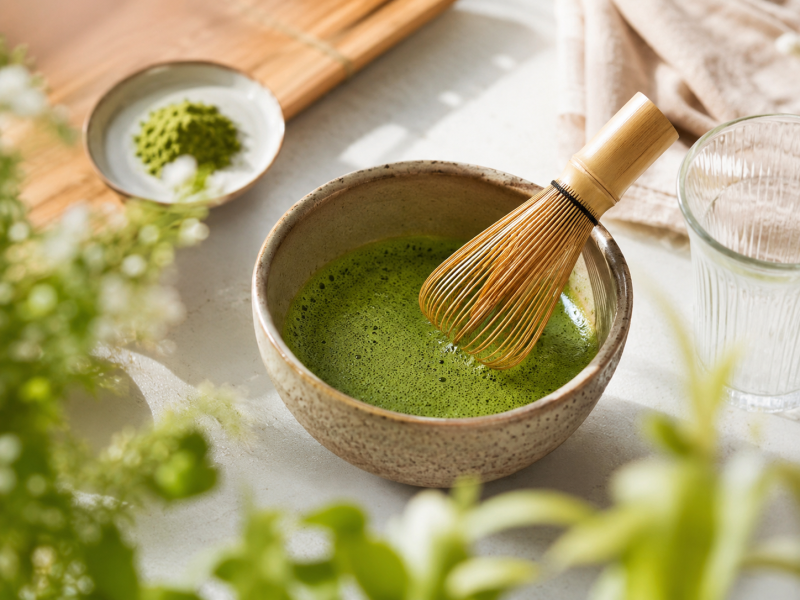
Also, pay attention to the froth. When you whisk, you want a thick, creamy foam. If it's watery and thin, the matcha is likely stale or low-quality, regardless of the powder's hue.
Shared rules for both
Whether you're a first-timer or a seasoned drinker, these rules apply:
- Buy in small quantities. Matcha degrades quickly once exposed to air.
- Store it airtight in the fridge, away from light. Don't keep it next to your coffee beans.
- Check the harvest date before checking the price. A fresh harvest from last spring beats a six-month-old 'premium' blend.
- If you're in NYC, visit shops that let you smell the matcha before buying. Many Japanese grocers and specialty tea shops are happy to open a tin.
- When in doubt, ask the staff when the batch arrived. If they can't answer, that's a red flag.
Where the two groups clash
Newbies often obsess over the greenest powder they can find, thinking it's the holy grail. Veterans know that some of the best matcha—particularly from certain cultivars like Samidori—isn't neon. It's a softer, more natural green with a sweeter, more complex flavor.
So if you're new, don't feel like you're missing out when a seasoned matcha drinker picks a less vivid tin. They're not settling; they're chasing flavor depth, not color intensity.
And veterans, remember: when a beginner asks you which one to buy, they're not ready to appreciate a subtle, less-green option. Point them to a reliable bright green with a recent harvest date, and let them explore later.
How to graduate from new → fluent
You graduate when you stop asking 'which is greenest?' and start asking 'which harvest was this?' You'll know you're fluent when you can tell a spring harvest from a fall one by the color alone—spring matcha tends to be brighter and more vibrant, while fall is deeper and more subdued.
Also, you'll start noticing regional differences. Matcha from Uji in Kyoto often has a sweet, umami note, while Kagoshima matcha is brighter and more vegetal. Color helps, but taste is the real test.
So next time you're in a New York shop, look past the neon. Check the date, take a sniff, and if you're still unsure, buy a small tin and try it. That's the only way to build your own reference points.
And if you're shopping online, look for listings that include the harvest date and a clear photo of the powder. If they don't show it, ask. A reputable seller will tell you.
One last thing: don't overlook the BrewNova Matcha line if you're in a hurry. Their tins list the region and harvest season right on the label, which takes some of the guesswork out. But no matter what you buy, remember that color is just the first clue. The real story is in the taste.