
How much matcha should I drink daily to get enough EGCG?
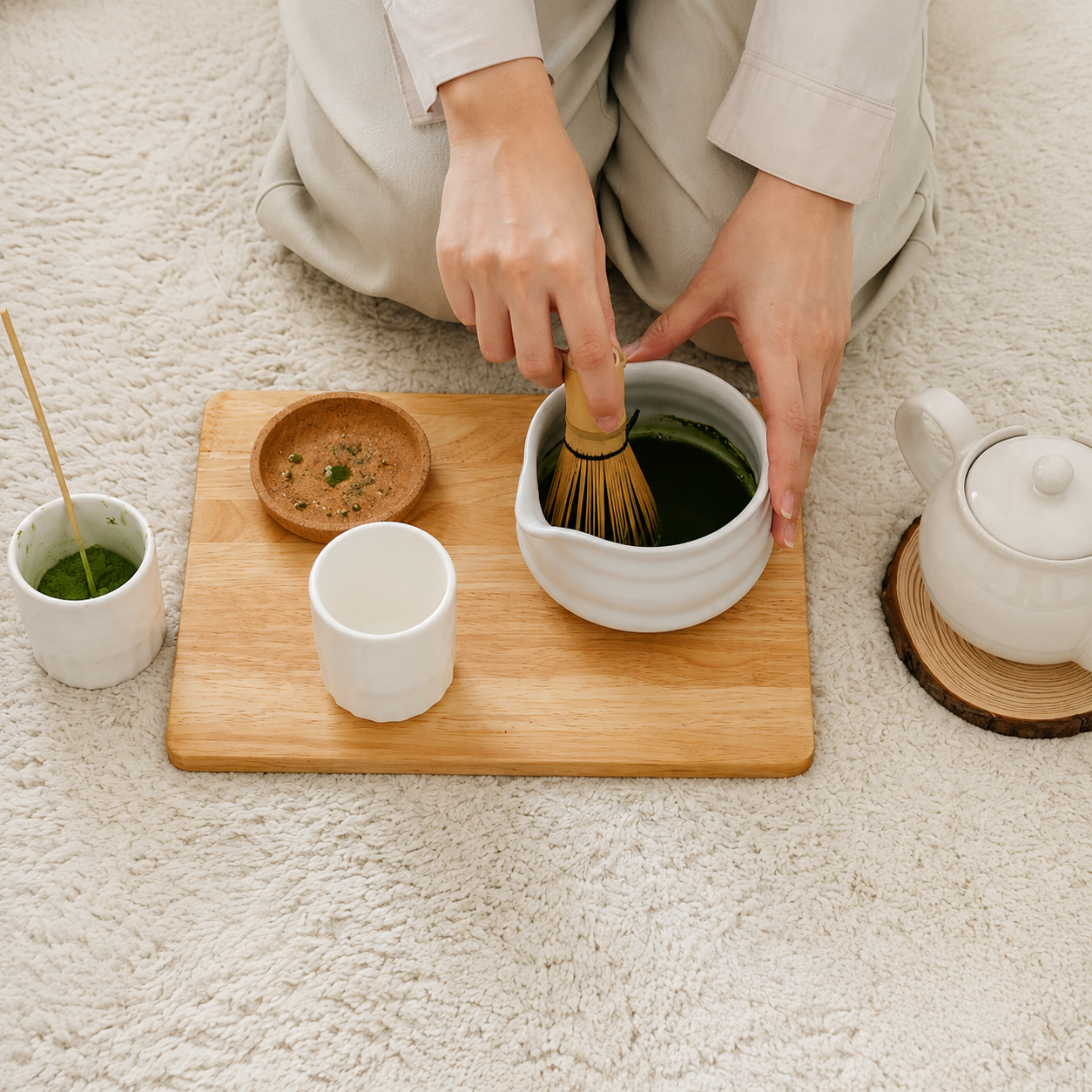
For most adults, 2-3 cups of ceremonial-grade matcha per day (approximately 4-6g of matcha powder) provides 200-600mg of EGCG, which falls within the range associated with health benefits in clinical studies. Consistency matters more than quantity — daily moderate intake is more effective than occasional large doses.
Is matcha better than regular green tea for EGCG?
Yes, significantly. Because matcha involves consuming the entire ground tea leaf rather than just a steeped infusion, it delivers approximately 3-10 times more EGCG per serving than brewed green tea. Ceremonial-grade matcha, which is produced from shade-grown leaves, contains the highest concentration of catechins.
Can I get enough EGCG from diet alone, or do I need supplements?
For general health maintenance and antioxidant support, 2-3 cups of quality matcha daily can provide sufficient EGCG. However, for therapeutic doses used in specific clinical studies (400-800mg/day), standardized supplements may be more practical. Always discuss supplementation with a healthcare provider.
Are there any side effects of consuming too much EGCG?
Excessive EGCG intake — primarily from high-dose supplements rather than dietary sources — has been associated with liver enzyme elevation, stomach discomfort, and nausea in some individuals. The European Food Safety Authority recommends not exceeding 800mg/day from supplements. EGCG from matcha and tea is generally safe at normal consumption levels.
Does adding lemon or vitamin C to matcha improve EGCG absorption?
Yes. Research has shown that adding citrus juice (particularly lemon) or vitamin C to green tea can significantly increase catechin stability and absorption in the digestive tract. Ascorbic acid helps prevent the oxidation of EGCG in the alkaline environment of the intestines, potentially increasing bioavailability by several-fold.