
How Vapes Work: The Basics in Plain English
If you're responsible for compliance, you don't need to become an engineer. But you do need a working mental model of what's inside the device and why it matters. Here's the short version: a vape has three core parts—a battery, a coil, and a reservoir for e-liquid. When you press the button (or the device auto-fires), the battery sends power to the coil. The coil heats up and vaporizes the e-liquid that's soaked into it. That vapor is what the user inhales.
That's it. Everything else—puff count, wattage, flavor, throat hit—is a downstream effect of those three pieces and how they interact.
Why This Matters Day to Day
You might be thinking, "I'm not selling to engineers; why do I need to know this?" Because the details that make a vape work are the same details regulators care about. Battery capacity determines how long a device lasts and whether it might overheat. Coil resistance affects how much power is drawn and how much vapor is produced. The e-liquid composition determines nicotine strength and flavor.
If any of these specs are off from what's stated on the label, that's a compliance problem. For example, if a device claims 5% nicotine but actually delivers less, users might be getting less than intended—or more, depending on how the coil interacts with the liquid. Either way, it's a mislabeling issue.
What to Check Before You Decide
Here's a practical checklist to run through when evaluating a vape for your inventory. This isn't exhaustive, but it covers the big ones.
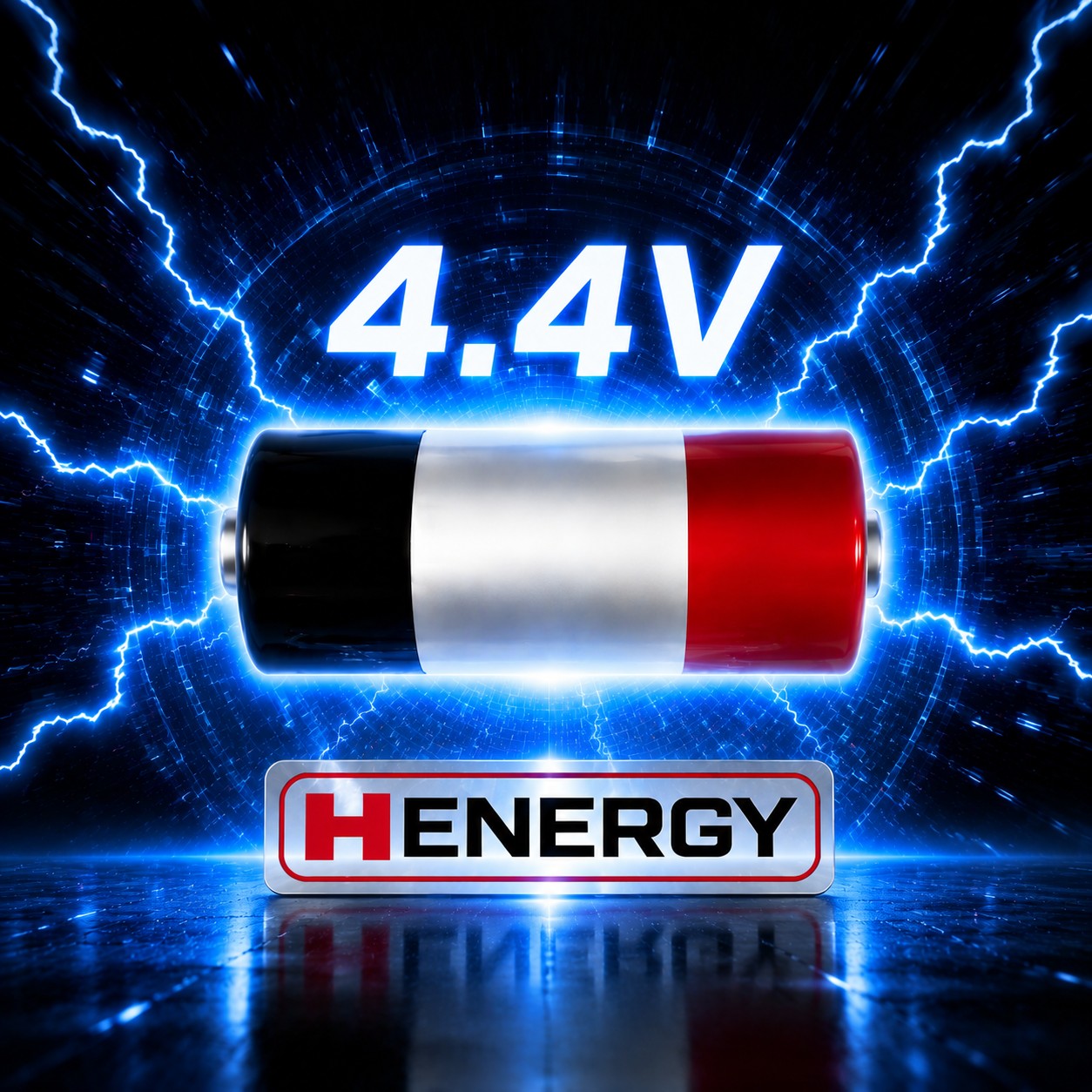
- Battery capacity (mAh): Make sure it matches the stated puff count. A higher mAh generally means more puffs, but only if the coil is efficient.
- Coil resistance (ohms): Lower resistance (sub-ohm) means more vapor and stronger throat hit. Higher resistance (1 ohm and above) is typically used for lower power and less vapor.
- Nicotine strength (mg/mL or %): Verify it's within legal limits for your market. Some countries cap nicotine at 20 mg/mL (2%).
- E-liquid volume (mL): Check that the stated volume matches the actual capacity. This affects how many puffs you get and how it's taxed.
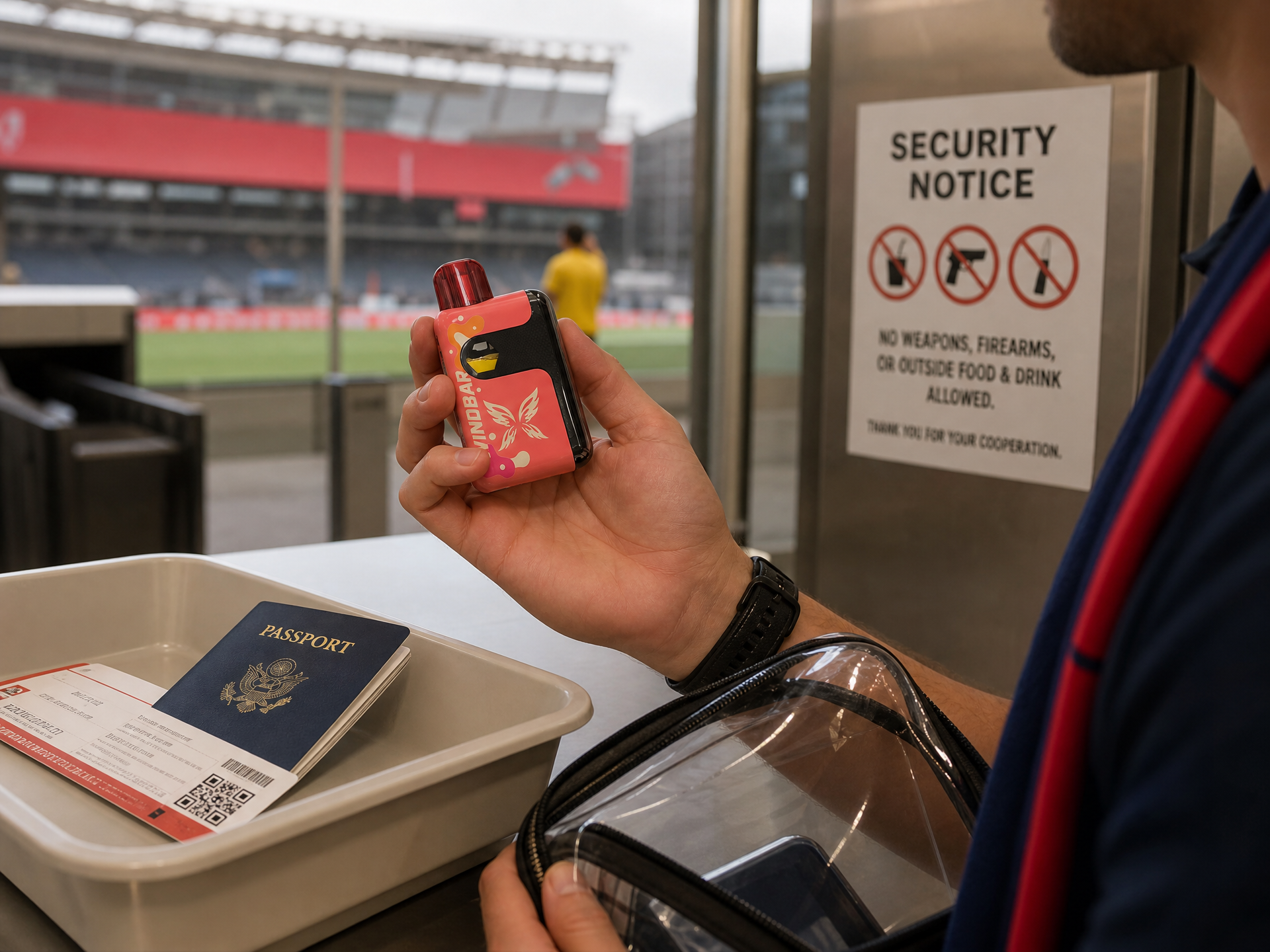
- Child-resistant packaging: Many jurisdictions require this for nicotine-containing products. Check for certification or features like a two-step opening mechanism.
- Regulatory approvals: Look for CE, RoHS, or other relevant certifications depending on your region.
Mistakes We See Often
One common mistake is assuming that a higher puff count means a better device. Not always. Puff count depends on several factors, including battery capacity, coil efficiency, and how the user vapes. Two devices with the same puff count might feel wildly different in practice.
Another mistake is ignoring coil resistance when comparing devices. A lower resistance coil draws more current, which can stress the battery. If the battery isn't rated for that draw, you risk overheating or premature failure.
Finally, don't skip the e-liquid volume check. Some devices list the total liquid in the cartridge, but the effective vaporizable volume might be less due to wicking inefficiencies. This can lead to complaints about short lifespan.
A Practical Next Step
Once you've verified the specs, the next step is to test the device yourself. Vape it, measure the actual number of puffs, and compare it to the stated count. If you're buying wholesale, request a sample batch and run your own checks.
You can also use tools like the Vape Cost Calculator to estimate the cost per puff, which is useful for pricing and cost-compliance analysis.
If you're dealing with specific issues like gurgling or leaking, check our guides on why vapes gurgle or leak and why vapes spit. Those issues often trace back to design flaws that compliance checks should catch.
FAQ
What are the basic components of a vape?
A vape typically has a battery, a coil (heating element), and a reservoir or cartridge for e-liquid. When the battery powers the coil, it heats the liquid and turns it into vapor.
How do I verify a vape's nicotine strength?
Check the label for nicotine concentration (in mg/mL or percentage) and compare it to the actual product. For compliance, ensure it matches your market's legal limits.
What should I check for battery safety in vapes?
Look for overcharge protection, short-circuit protection, and proper insulation. Verify the battery capacity (mAh) and ensure it meets your safety standards.
Why is coil resistance important for compliance?
Coil resistance affects power draw and vapor production. Lower resistance means higher power, which may increase output. Compliance depends on ensuring the device operates within legal and safety parameters.
How do I know if a vape is child-resistant?
Check the packaging for child-resistant features and certifications. Many markets require such features on nicotine-containing products.
Sources & Further Reading
- FDA Tobacco Products – Regulatory guidance for nicotine products in the US.
- CDC Tobacco – Public health data on vaping.
_This guide is for educational purposes only. Always comply with local laws and regulations regarding nicotine products._
Quick answers
Q: What are the basic components of a vape?
A vape typically has a battery, a coil (heating element), and a reservoir or cartridge for e-liquid. When the battery powers the coil, it heats the liquid and turns it into vapor.
Q: How do I verify a vape's nicotine strength?
Check the label for nicotine concentration (in mg/mL or percentage) and compare it to the actual product. For compliance, ensure it matches your market's legal limits.
Q: What should I check for battery safety in vapes?
Look for overcharge protection, short-circuit protection, and proper insulation. Verify the battery capacity (mAh) and ensure it meets your safety standards.
Q: Why is coil resistance important for compliance?
Coil resistance affects power draw and vapor production. Lower resistance means higher power, which may increase output. Compliance depends on ensuring the device operates within legal and safety parameters.
Q: How do I know if a vape is child-resistant?
Check the packaging for child-resistant features and certifications. Many markets require such features on nicotine-containing products.
Worth remembering
- Understanding how vapes work is the first step in compliance. A vape consists of a battery, a coil, and a reservoir of e-liquid. When the coil heats, it vaporizes the liquid, which is then inhaled. Compliance managers should verify that device specifications—such as puff count and nicotine strength—are accurate and consistent with regulatory requirements.
- Vapes convert e-liquid into vapor via a battery-powered coil.
- Verify device specs against labeling and regulatory limits.
- Battery capacity and coil resistance affect performance and compliance.
- Check that the device is properly sealed and child-resistant.
- Know your market's specific nicotine and packaging rules.
In this topic cluster
- How Vapes Work articles
- Why Is My Vape Spitting? Hot Juice in Your Mouth, Explained
- Why Is My Vape Gurgling or Leaking? 5 Mistakes to Fix
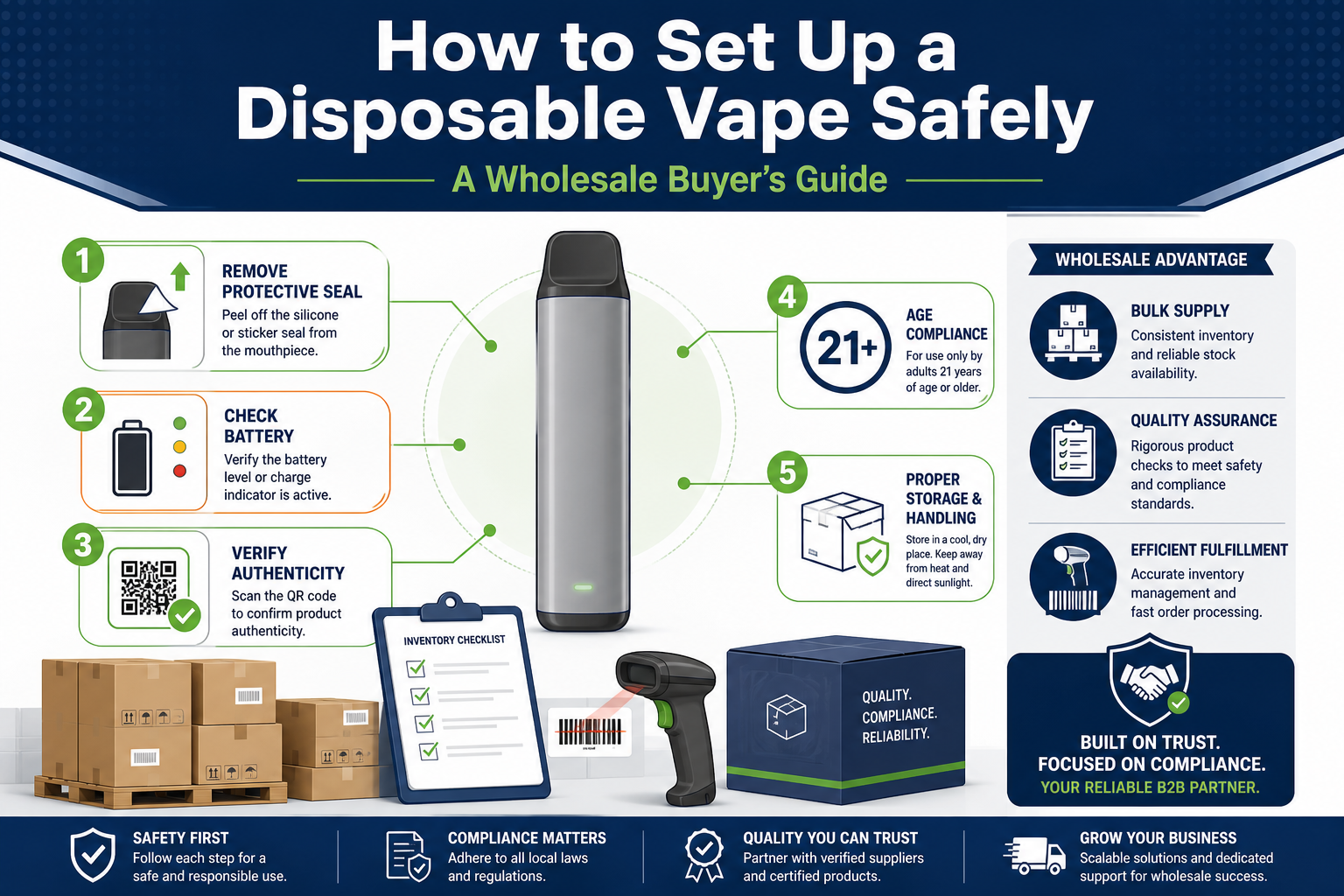
- How to Set Up a Disposable Vape Safely: A Wholesale Buyer's Guide