
First glance (10 seconds)
Walk into a New York vape shop and you'll notice a few things fast: ID checks at the door, a sign about no sales to minors, and a card reader that might look a bit more serious than the one at your coffee shop. That's not an accident. Payment processing for vape products here isn't just about swiping a card; it's about proving you're 21 and that the merchant is following the rules.
If you're a buyer, you might hit a snag where your card gets declined even though you have funds. If you're a retailer, you might worry about your processor dropping you without warning. This guide walks through what to look for at the counter and behind it, so you know what's normal and what's a red flag.
Specs worth reading
When you're checking out, a few details matter more than others:
- Age verification system: In New York, every vape sale requires proof of age. In-store, that means scanning an ID. Online, it means a third-party age check that uses public records or ID upload. The payment system should be tied to this verification step.
- Payment processor's high-risk status: Vape shops are considered high-risk by most banks. A processor that specializes in this industry will have clear policies on chargebacks and compliance. If a shop uses a standard processor, it might be skating on thin ice.
- Merchant category code (MCC): Card networks assign specific codes for vape merchants (like 5993 for tobacco stores). If a shop uses a generic code, the transaction might get flagged or declined.
- Clear return policy: Not directly payment processing, but it ties into how refunds are handled. In New York, you have consumer rights against unauthorized charges, but a shop's own policy matters for defects.
Specs to ignore
Some things look important but aren't:
- Fancy checkout animations: Don't be impressed by a slick payment interface. What matters is the backend compliance.
- Loyalty points on card payments: That's just marketing. It has no bearing on whether the transaction is legal.
- Contactless vs. chip: Both are fine. The security is the same for this purpose.
Questions for staff
Before you pay, or if you're setting up your own shop, ask these:
- "Do you use a high-risk payment processor?" If they don't know, that's a red flag. They should be able to name their provider.
- "How do you handle age verification online?" For online shops, there should be a clear process. If they just have a checkbox saying "I'm 21", that's not enough.
- "What's your chargeback policy?" This matters if you ever need to dispute a charge. A compliant shop will have a clear process.
- "Are you registered with the state?" New York requires vape retailers to be registered. If they're not, they're operating illegally.
Checkout decision
So, what's the takeaway for you?
If you're a buyer, you should feel comfortable paying by card at a shop that takes ID verification seriously. If a shop doesn't ask for ID or doesn't have a clear age check online, walk away. It's not just a hassle; it's a sign they might not be compliant, and that could affect your purchase's legitimacy.
If you're a retailer, your payment processing setup is as important as your product selection. Work with a processor that understands the vape industry, use the right MCC code, and always tie age verification to the sale. That's how you avoid the nightmare of frozen funds or getting dropped.
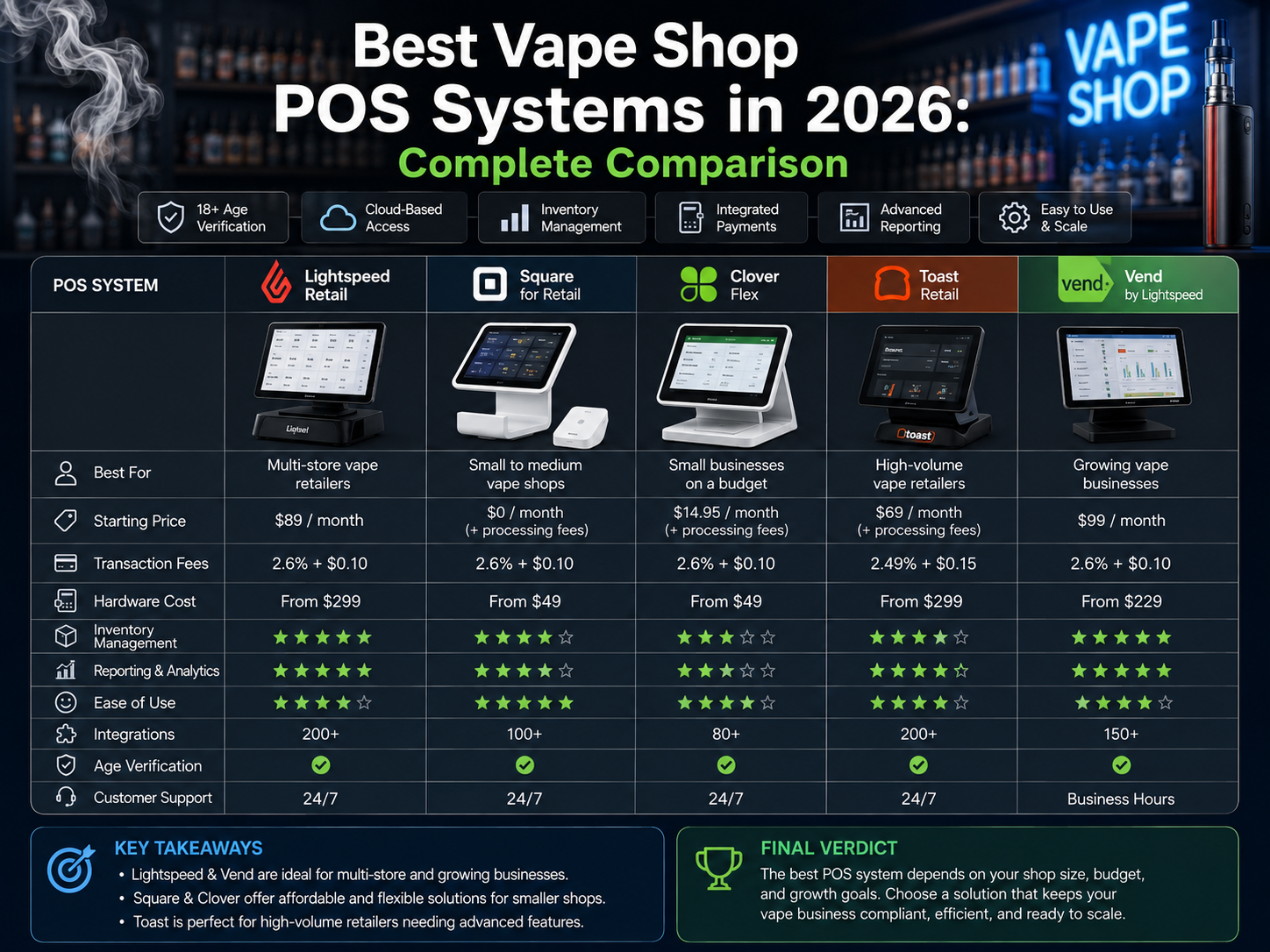
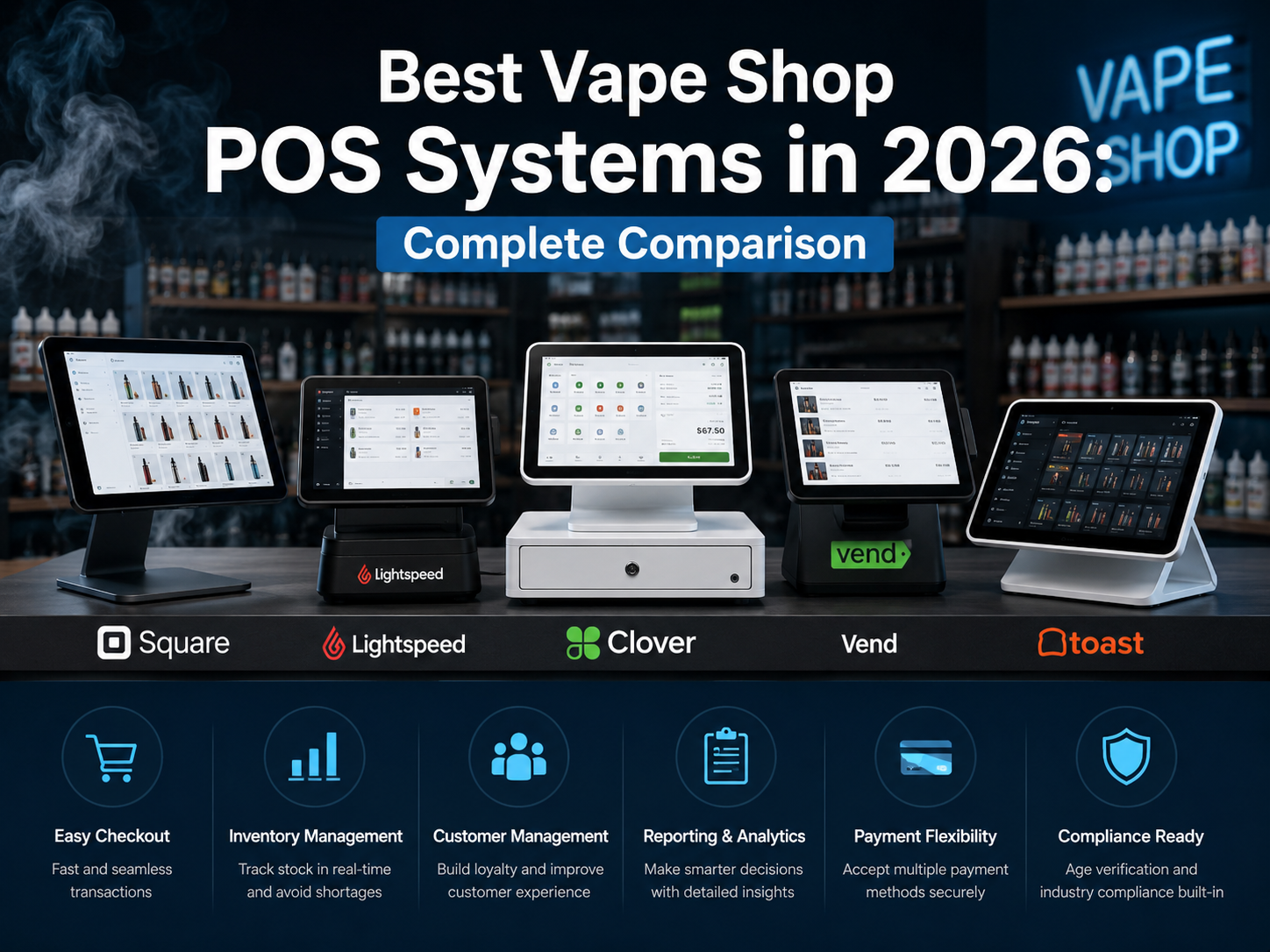
For a deeper look at the systems that hold all this together, our Best Vape Shop POS Systems in 2026 guide covers the tech side. And if you're building out your whole setup, the Vape Shop Tech Stack guide rounds out the picture.
Rules change, so always check with the New York State Department of Taxation and Finance for the latest on taxes and registration, and review your card network's rules on merchant categories. This isn't legal advice, but following these steps keeps you on the right side of the counter.
In this topic cluster
- Payment Processing articles
- Best Vape Shop POS Systems in 2026: Complete Comparison
- Vape Shop Tech Stack: The Complete 2026 Guide
- Flavor Profile Documentation: Writing for Adult Markets Without the Hype