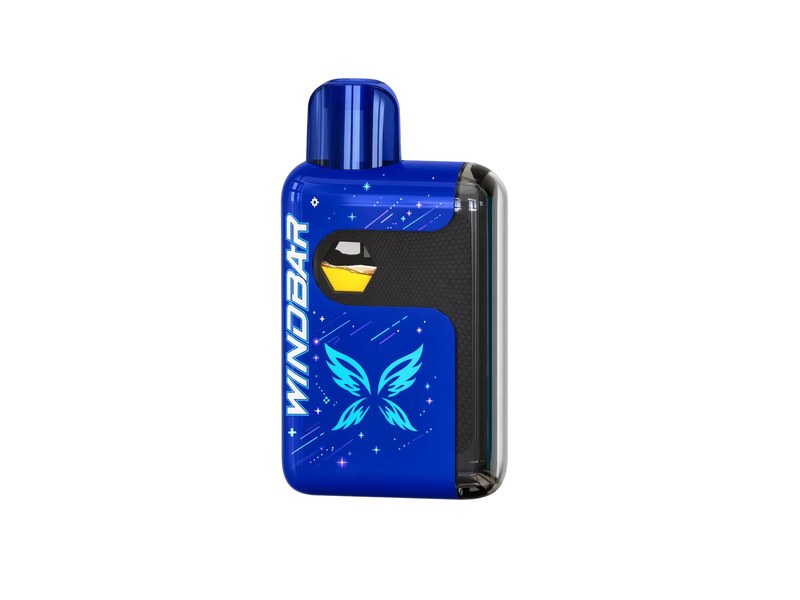
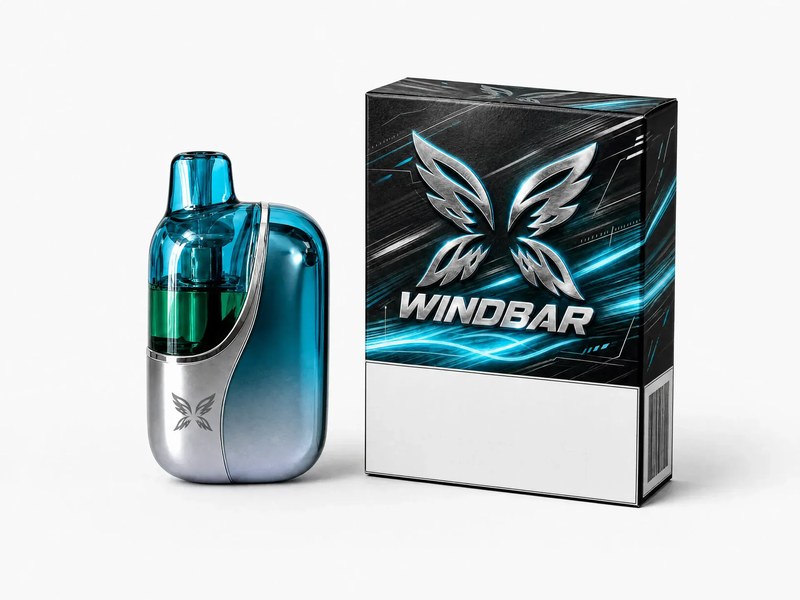
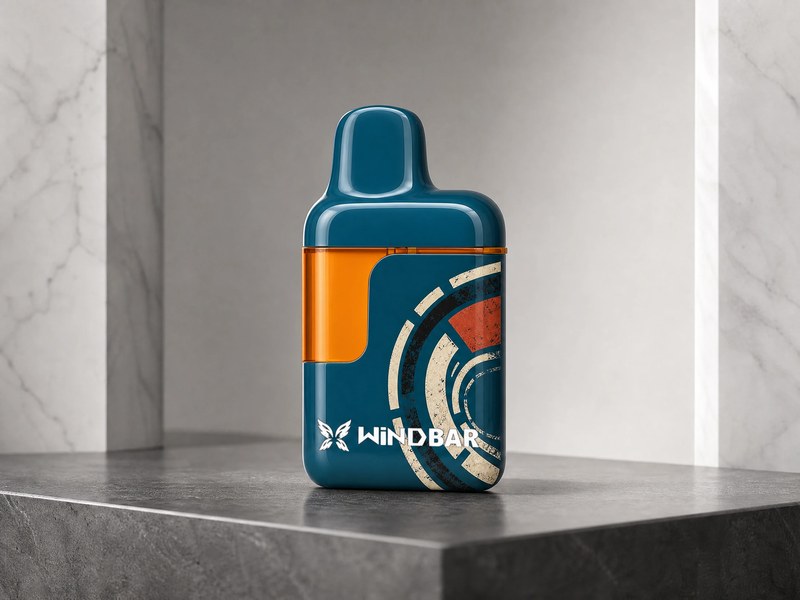
Treat WINDBAR D91 4.4V ultra slim as two checks that must both pass.
Form check, four steps.
Step 1. Write 20 × 82 × 10 mm. Width 20 mm is about a finger. Thickness 10 mm is the card-like axis. Height 82 mm is the long axis that will stick from a shallow coin pocket.
Step 2. Put a credit-card-thick object next to a ruler at 10 mm. If a listing photo looks like 15 mm of plastic, it is not proving this SKU. Open the complete front catalog still on this site instead of a banner crop.
Step 3. Do not confuse 82 mm height with D95’s 57.4 mm height. D91 is not the shortest WINDBAR pocket device. It is the thinner 10 mm body. People who typed WINDBAR D91 4.4V ultra slim and expected 57 mm have the wrong envelope; send them to the D95 size article, still on this domain.
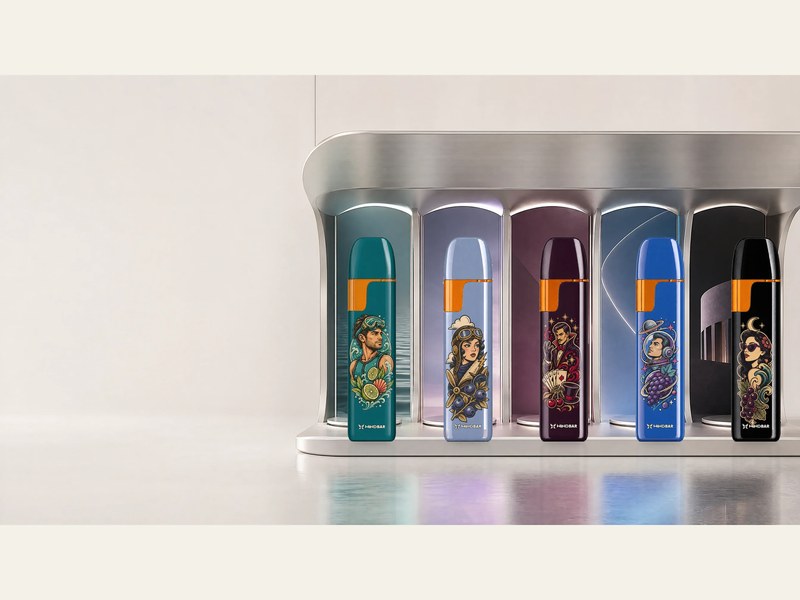
Step 4. Confirm you are looking at a complete product view. Wrap-style images that show only a tall strip will look “flat” in Google Images. The files this site now prefers for catalog use are 3:4 complete fronts.
Voltage check, three steps.
Step 1. Read 4.4 V as peak flavor drive on the product brief.
Step 2. If you have two known electrical values, open the WINDBAR Ohm’s law calculator on this site. A common educational hook is 4.4 V with 1 Ω. That pair is for math practice. It is not a command to fire 4.4 V into an unknown coil.
Step 3. If the carton or coil print states a watt or ohm limit, that print wins. Calculator watts that exceed the insert are discarded. An engineering power range appears on the campaign as 6.5–10 W; that range is not treated here as a locked production certificate. Until your insert confirms a number, treat operating wattage as unknown and stay conservative.